
A row of polished E-types beneath mature trees. A snarling modern supercar parked beside a beautifully restored motorcycle. The owner of a much-loved hot hatch swapping stories with a family who have never been to a motor show before. That is the appeal when you find regional car shows nearby: it is not simply about seeing metal and horsepower. It is about spending a day among people who understand why a perfect period wheel, an original badge or a well-executed engine bay matters.
The UK has a remarkable breadth of motoring events, from relaxed local meets to major shows filling historic estates and destination venues. The challenge is choosing the right one for your interests, your journey and the kind of day you want. A little planning means less time scrolling through vague listings and more time enjoying the cars, bikes and atmosphere.
Start with the kind of show you actually want to attend
Not every event labelled a car show delivers the same experience. Some are built around classic motoring, where pre-war machines, cherished British saloons and concours-standard restorations take centre stage. Others lean into modified culture, Japanese performance, American muscle, supercars, motorsport or motorcycles. Plenty bring all of these worlds together, which can make for a brilliant day out if variety is what you are after.
Before searching, decide what will make the journey worthwhile. If you are restoring a 1960s roadster, an event with strong club attendance and specialist traders may be more useful than a general family show. If you are taking children, a venue with wide open grounds, food options and plenty to see beyond one vehicle category will usually work better. For anyone hunting inspiration for a build, modified and performance-focused displays can be hard to beat.
It also depends on whether you want to attend as a visitor or take part. A show can look very different from the other side of the display line. Owners may need to register in advance, arrive within a specific time slot and meet vehicle eligibility rules. Car clubs, traders and exhibitors often have separate booking arrangements, so check early rather than assuming you can simply turn up.
How to find regional car shows nearby without guesswork
A broad web search is a useful starting point, but it should not be the final decision-maker. Search by county, town, region or a major venue within a comfortable travelling distance. Include the type of vehicle you want to see, such as “classic car show”, “performance car show” or “motorcycle show”, alongside your location.
Then look beyond the first event date you find. A proper event listing should make the essentials clear: date, opening hours, venue, ticket information, vehicle categories and details for display entrants. If those basics are missing, treat the listing cautiously. Enthusiasts deserve to know whether they are heading to a carefully curated show or a small informal gathering.
Regional calendars are particularly useful because they reveal patterns. Spring and early summer often bring packed diaries as owners bring cars out after winter. Later summer can offer the largest outdoor events, while autumn shows may deliver a more relaxed final run before the garage season begins. Bank holiday weekends can be excellent for scale and spectacle, but they can also mean busier roads, fuller car parks and higher demand for tickets.
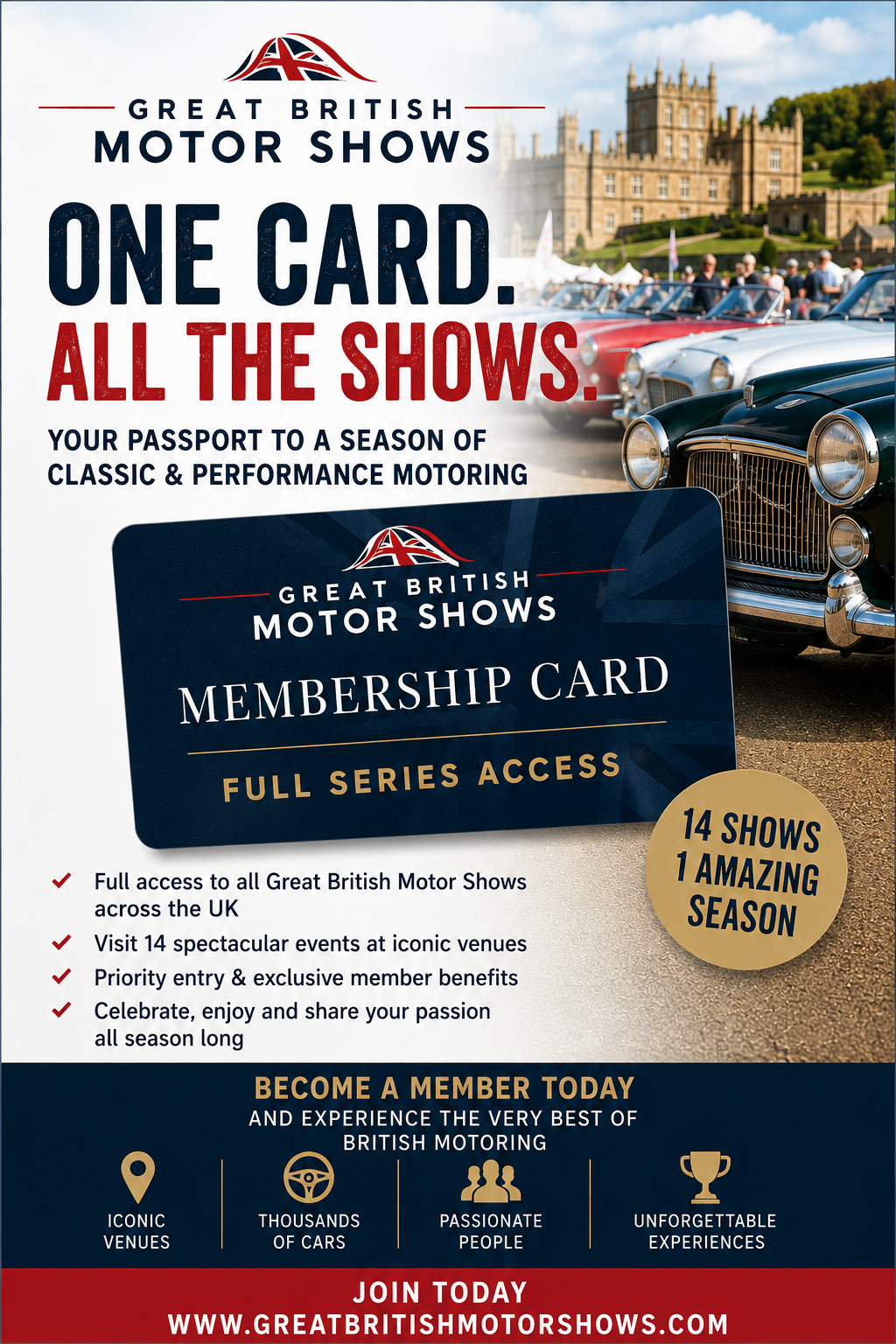
A dedicated organiser’s calendar is usually the most reliable place to confirm a show is going ahead and to see whether ticket or registration status has changed. Great British Motor Shows, for example, brings enthusiasts together at distinctive UK venues, pairing broad vehicle displays with the kind of setting that makes a day out feel like an occasion rather than a quick walk around a car park.
Use the venue as a quality signal
The venue tells you a great deal about the likely rhythm of the day. A historic house, country estate, park or exhibition ground can give cars room to breathe and visitors space to explore. These locations are ideal for mixed displays, club stands and family-friendly browsing. They can also turn the journey into part of the experience, particularly if you are taking your own pride and joy for a weekend run.
That said, venue-led events involve trade-offs. Grass parking can be affected by wet weather, large grounds mean more walking, and popular sites may have slower entry at peak times. Check parking arrangements, accessibility information and whether dogs are permitted if that matters to your group. A few practical details can shape the whole day.
Follow the communities that know first
Car clubs, marque groups and local enthusiast communities are often the first to share display plans, convoy arrangements and late additions. They are useful whether you own a vehicle or simply want to know which shows will have a strong turnout for a particular model.
Social posts can provide a flavour of previous events, but do not rely on an old image alone. A photograph of 200 classics from three years ago does not guarantee the same format this season. Use it to judge the atmosphere, then confirm the current event details directly with the organiser.
Choose a show with enough variety to reward the journey
The best regional events balance the headline cars with the unexpected finds. You may arrive to see Aston Martins or fast Fords and leave remembering an immaculate Morris Minor, a hand-built café racer or a modified build whose owner is happy to explain every choice.
For visitors, variety keeps the day moving. Classic cars bring history and craftsmanship; performance cars offer theatre and noise; motorcycles add another strand of engineering and style; traders can help with parts, tools, clothing and memorabilia. For owners, a mixed show creates conversation across generations and tastes. A concours collector and a young modified-car enthusiast may approach motoring differently, but both know the pleasure of standing back after a wash and polish and seeing a machine at its best.
Look for events that state how display areas are organised. Separate zones can make it easier to find your favourites, while combined fields create the joy of surprise. Neither approach is automatically better. It comes down to whether you want a focused specialist day or a wide-ranging celebration of motoring culture.
Book early, then plan the day properly
Once you have picked an event, advance tickets are usually the sensible choice. They can offer better value, speed up entry and protect your place at popular dates. If you are displaying a vehicle, register as soon as applications open. Spaces for clubs and individual entries can fill quickly, especially when the venue is a recognised favourite.
For a strong day out, aim to arrive early. Morning light is better for photographs, the displays are freshly parked and you have time to take in the full site before the busiest period. Bring weather-appropriate layers, comfortable footwear and sun protection, because British motor shows can deliver blazing sunshine, a sharp breeze and a downpour in the space of an afternoon.
If you are travelling in a classic or performance car, do the unglamorous checks before setting off: fuel, tyre pressures, coolant, oil and recovery cover. A roadside pause is part of old-car ownership now and then, but it is far more enjoyable when it is not caused by something easily spotted on the drive.
Make the most of a regional show once you are there
Do not rush straight towards the biggest crowd. Walk a full circuit first and get your bearings. You will spot club areas, trader rows, food stops and any vehicle displays you want to revisit later. Then slow down. Read the information boards, speak to owners when they are not busy and ask about the details that catch your eye.
Good show etiquette goes a long way. Keep clear of display ropes, avoid touching vehicles unless invited, and be mindful when taking photographs around owners who are preparing their cars or speaking with visitors. If you bring children, encourage their curiosity – most enthusiasts are delighted by genuine questions – while helping them respect the machinery.
For anyone considering exhibiting in future, use the day as research. Notice which vehicle categories draw a crowd, how clubs present their stands and what makes a display memorable. You do not need a six-figure restoration to belong at a motoring event. A well-kept everyday classic, an honest project or a carefully personalised modern car can start just as many conversations.
Turn one event into a better motoring calendar
The real benefit of finding a great show nearby is that it often leads to the next one. You meet owners, discover clubs, hear about local runs and learn which venues suit your tastes. Keep a note of dates that impressed you, particularly annual events, and build a calendar that gives you something to look forward to through the season.
Choose the shows that feel worth the drive, arrive ready to enjoy the details, and leave room in the day for the vehicle you never expected to admire.