
A concours-ready Mk1 Escort, a well-used MGB GT and a carefully restored Land Rover may all be classics, but they do not carry the same insurance needs. This collector car insurance guide is designed to help UK enthusiasts ask the right questions before putting a cherished vehicle on the road, loading it up for a show weekend or renewing cover for another year.
Collector-car cover is not simply standard motor insurance with a lower annual mileage. The right policy should reflect how your vehicle is valued, stored, driven and enjoyed. Get those details right and you can protect the time, money and character invested in a machine that deserves more than a one-size-fits-all policy.
What makes collector car insurance different?
A collector car is often driven less frequently than a daily runabout, kept with greater care and maintained with parts, knowledge and patience that are not easily replaced. Specialist policies are built around that reality. They may offer agreed-value cover, restricted mileage, club or multi-vehicle discounts, recovery options and terms suited to classics, modern classics, performance cars and unusual builds.
That does not mean every specialist policy is automatically the best choice. A low premium can look attractive, but the detail matters when there is a claim. Some policies place strict limits on use, some expect a second everyday vehicle, and some may have conditions around overnight parking, security or who is allowed behind the wheel.
The key is to insure the car you actually own, not the version of it described in a broad category online. A mildly upgraded 1990s hot hatch, for example, may need a very different conversation from an original, low-mileage example kept solely for sunny Sunday runs.
Agreed value versus market value
For many owners, agreed value is the centrepiece of a collector car insurance guide. With agreed-value cover, the insurer and policyholder settle the vehicle’s value before a total-loss claim happens. If the car is stolen or written off, the payout is based on that agreed figure, subject to the policy terms.
Market-value cover works differently. It generally pays what the insurer considers the vehicle was worth immediately before the loss. This can be difficult territory with classics, where condition, originality, documented restoration work, rare options and current demand can create huge differences between two apparently similar cars.
An agreed value is only useful if it is current and properly supported. Insurers may ask for recent photographs, an independent valuation, a condition report, receipts or evidence of comparable sales. Keep a folder containing restoration invoices, specialist servicing records, MOT history, photographs and details of rare factory equipment. It supports the value of the car and makes renewal far less of a scramble.
Values move too. A car that was sensibly insured three years ago may now be underinsured, particularly if it has had major mechanical work or a high-quality repaint. Review the figure annually and after any significant expenditure. Equally, be realistic. Overstating a value can increase the premium without improving the outcome if the insurer will not agree the figure.
Mileage and permitted use deserve close attention
Limited-mileage policies can suit cars that come out for local drives, club meets and selected events. The lower annual mileage may help reduce the premium, but only if the limit genuinely matches how you use the vehicle.
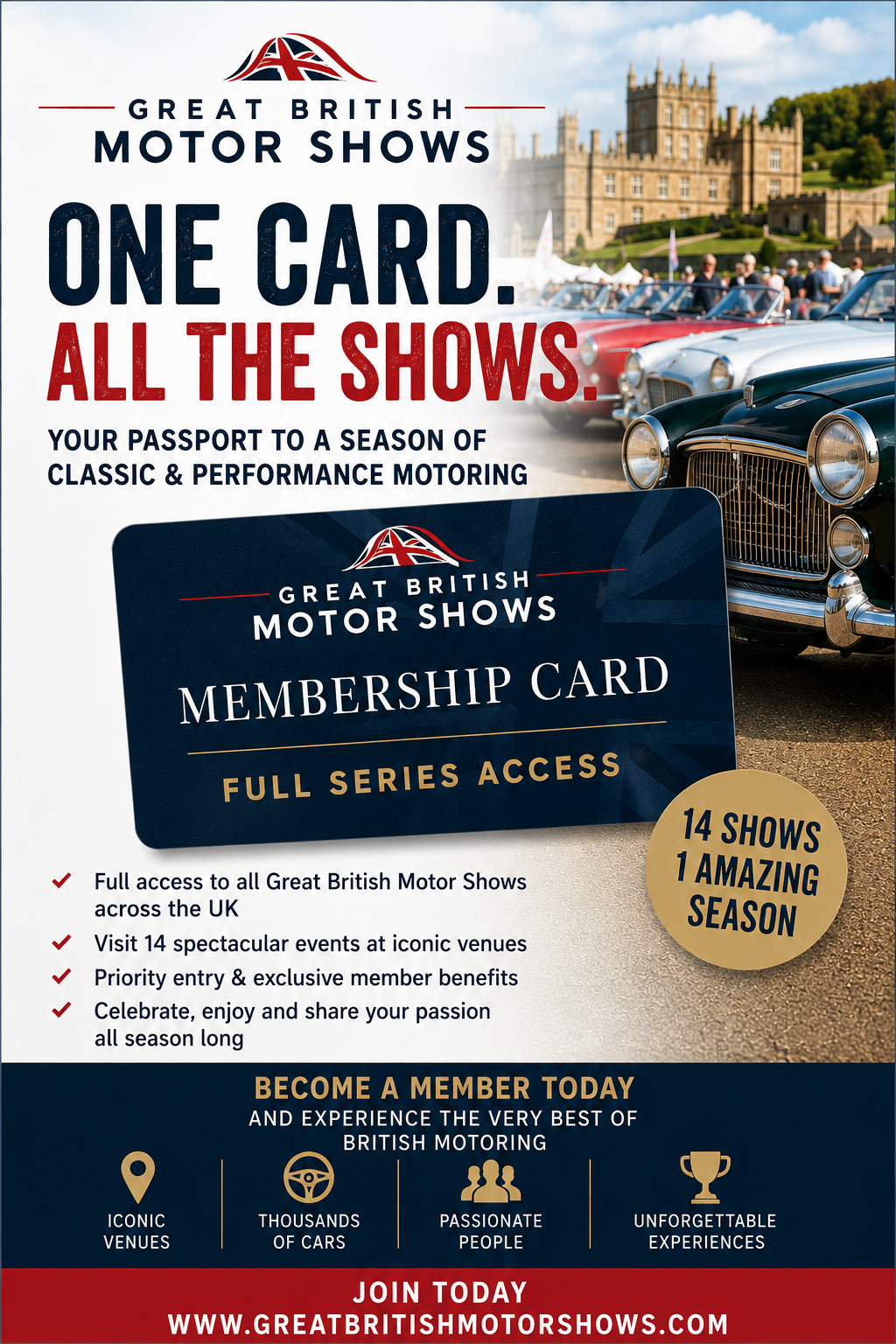
Think beyond the obvious summer outings. Include journeys to garages, MOT appointments, overnight events, weddings, scenic tours and the occasional longer road trip. A weekend displaying your pride and joy at a Great British Motor Shows event could involve a far greater round trip than a typical coffee run.
Ask how the mileage is recorded and what happens if you exceed it. Some insurers allow you to buy additional miles during the policy year, while others may treat an overrun more seriously. It is usually better to choose a realistic allowance than spend the year watching the odometer.
Usage wording is just as important. Social, domestic and pleasure use might cover leisure driving and shows, but commuting, business travel, track activity, timed events and overseas trips may need separate permission. Do not assume that a charity run, a parade lap or a driving tour is automatically included. A quick question before setting off is far easier than an awkward question after an incident.
Declare every modification, even the sensible ones
Modified classics and performance cars are a huge part of Britain’s motoring scene. Period-correct alloy wheels, uprated brakes, electronic ignition, a replacement engine or a discreet security upgrade can all improve the ownership experience. They can also affect insurance.
Declare every change, including modifications that seem routine or make the car safer. Insurers assess whether the change affects performance, value, theft risk, repair cost or the availability of replacement parts. The word “modification” does not automatically mean an eye-watering premium. A specialist insurer may be far more comfortable with well-documented upgrades than a general insurer, especially where the work is professionally completed and suits the vehicle.
Be precise about non-standard paint, engine conversions, suspension changes, turbocharging, roll cages, aftermarket audio and custom interiors. Keep invoices, fitting details and photographs. If you have bought a car with work carried out by a previous owner, establish exactly what has been changed before arranging cover.
Storage, security and winter lay-up
Where the car lives when it is not being enjoyed can influence both cover and price. A locked garage is often preferable, but insurers may distinguish between a private garage, communal underground parking, a locked outbuilding and a driveway. Answer the storage question honestly. Moving a car from a garage to the road for several months without telling the insurer could create problems.
Security should suit the vehicle and its risk. A steering lock, tracker, immobiliser, alarm, secure garage door or wheel clamp may all be relevant, but only mention equipment that is fitted, working and used as required. Some classic cars have limited scope for modern security upgrades without compromising originality, so discuss practical options rather than making assumptions.
If your vehicle is off the road over winter, laid-up cover can protect against risks such as fire, theft and accidental damage while removing road-use cover. It can be useful for a project or seasonal car, but it is not the same as full insurance. A vehicle declared SORN must not be used or kept on a public road, and it must still be properly protected where it is stored.
Check the claims experience, not just the quote
A collector car claim can involve more than arranging a courtesy car and booking a local bodyshop. You may care deeply about retaining original parts, choosing a restoration specialist or repairing the car rather than accepting a write-off. Those preferences need to be discussed before you buy the policy.
Ask how repairs are authorised, whether you can nominate a specialist repairer and how salvage is handled if the vehicle is declared beyond economical repair. Salvage retention can matter enormously when a rare car contains irreplaceable components, but it may not be available in every case and can affect the settlement.
Also check the excess, windscreen cover, breakdown and recovery arrangements, European use if relevant, legal expenses and cover for spare parts. A set of rare wheels or a garage shelf full of period trim can represent serious value. Some policies include a modest parts allowance; others require separate cover or a declared value.
Build a policy around the whole collection
If you own more than one interesting vehicle, a multi-car or collection policy may simplify administration and sometimes reduce cost. It can work particularly well where cars have different jobs: a classic for dry weekends, a modern performance car for longer trips and a restoration project awaiting its next chapter.
However, convenience should not hide gaps. Check that each vehicle has its own correct valuation, mileage allowance and modification record. A collection policy is not an excuse to treat every car as identical. The standard of cover should be right for the car with the greatest value and for the one most likely to be used.
Membership of a recognised owners’ club can sometimes help with access to specialist schemes or discounts, but the bigger benefit is often knowledge. Fellow owners can point you towards valuers, restoration specialists and insurers familiar with the quirks of a particular model.
Questions to ask before you commit
Before accepting a quote, make sure you can answer four practical questions: Is the valuation agreed and documented? Does the mileage allowance reflect the year you actually plan to have? Are all modifications and security measures recorded correctly? And, if the worst happens, will the claims process protect the car in a way you are comfortable with?
A collector car is there to be enjoyed, whether it is arriving at a local meet, taking pride of place on a club stand or simply making an ordinary Sunday feel less ordinary. Take the time to set up cover that respects the vehicle, then get out and enjoy the drive with confidence.