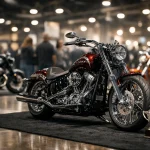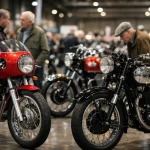

A bike show entry is more than a parking space with a good view. It is your chance to put the machine you have built, restored, maintained or cherished in front of fellow enthusiasts who understand exactly why the details matter. This guide to bike show entries will help you make the process straightforward, from choosing the right event to arriving with a motorcycle that looks every bit as good as it deserves to.
Whether you ride a beautifully preserved classic, a custom café racer, a hard-used modern sports bike or a rare performance machine, the best displays have one thing in common: the owner has thought ahead. A little preparation takes the pressure out of show morning and leaves more time for the best part – talking bikes with people who genuinely want to hear the story behind yours.
Choose a show that suits your motorcycle
Start by looking at the character of the event, not simply the date in the diary. Some shows are particularly strong for classics and restorations; others bring together modified builds, performance cars, supercars and bikes for a broader, high-energy day out. A destination venue can also shape the experience. Historic grounds, estate driveways and parkland displays give a well-presented bike the setting it deserves.
Check the entry categories before applying. Organisers may group motorcycles by era, marque, style or club, and some displays are curated to create the right mix across the day. That does not mean your bike needs to be concours-perfect. An honest, well-loved machine with a great backstory can be every bit as interesting as a freshly completed restoration.
If you are entering as part of an owners’ club, speak to the club organiser early. Group displays can simplify arrival arrangements and make a real impact once the bikes are lined up together. Individual entries offer more flexibility, though, and are ideal if your bike is unusual or does not fit neatly into one particular group.
How to complete bike show entries well
A clear, accurate application gives the organiser confidence and helps them place your bike in the right part of the show. Complete every field, use the correct registration number and include the make, model, year and any relevant specification details. If the form asks for modifications, be proud but precise. “Custom build” says very little; “1978 Honda CB750 with period-style bodywork and a hand-fabricated exhaust” gives the team something useful to work with.
Photographs matter. Send recent images in good daylight, with the full bike visible and as little clutter in the background as possible. You do not need a studio shoot, but a clean driveway, quiet lane or open garage door will present the machine far better than a dark workshop corner. Include both sides if possible, especially where a paint scheme, exhaust or special component is a key part of the bike.
Be honest about its condition. A show is not a place to pretend a project is finished when it is not. If your motorcycle is mid-restoration but has rare provenance or an exceptional story, say so. Some event teams welcome feature vehicles and interesting works in progress, but they need enough information to make the right call.
Once accepted, read the confirmation carefully. Entry passes, arrival windows, display instructions and vehicle movement rules are there to protect the visitor experience and keep the site running safely. Save the email, print anything requested and do not assume that last year’s arrangements will be identical.
Prepare the bike, not just the paintwork
The week before a show is the time to deal with the basics. A motorcycle can look immaculate on the stand, but it still needs to get there and get home reliably. Give it a proper once-over: tyre pressures and condition, chain tension and lubrication, brake operation, lights, fluid levels, battery charge and any signs of leaks. If it has been sitting for months, take it for a sensible shakedown ride before event day.
Cleaning is worth doing in stages. Begin with the hard work – wheels, engine cases, swingarm, mudguards and the underside of the bike – then return for the visible finishing touches once everything is dry. Use products suited to the materials in front of you. Over-polishing original alloy, soaking a leather seat or applying tyre shine to tread can quickly make a thoughtful display look less convincing.
Originality and presentation are a balancing act. For a preserved classic, patina may be part of the appeal, while a modified machine might look best with its fabrication and engineering details spotless. The aim is not to make every motorcycle look new. It is to show that it has been cared for.
Pack a small show-day kit in a discreet bag or top box. A microfibre cloth, detailing spray, paper towels, cable ties, basic tools, a tyre-pressure gauge and a small drip tray can solve most minor problems. Bring a cover too if the forecast looks unsettled, but only use it once you have been directed to your display position and the public are not being inconvenienced.
Give people a reason to stop
The bike will do most of the talking, but a simple display card adds context. Keep it readable from a short distance and focus on the details enthusiasts actually want to know: year, model, engine size, ownership history, restoration work, notable modifications and any competition or travel story connected to the machine.
A few well-chosen lines are stronger than a page of specifications. For example, explain that the bike spent 20 years in a barn before a family restoration, or that it is still ridden regularly despite being more than five decades old. These are the details that start conversations between owners, visitors and the next generation of enthusiasts.
Avoid turning the space into a shop window unless that is the agreed purpose of your attendance. Loose tools, helmets, cleaning bottles and bags can spoil the photograph everyone wants to take. Keep essential items out of sight, stand the bike securely and leave enough room for visitors to admire it without feeling they are stepping into your personal space.
If you are displaying with friends, agree the layout before arrival. A row of matching machines can look superb, but mixed models often benefit from a little breathing room so each one can be appreciated. Follow the event team’s instructions on spacing, fire lanes and access routes at all times.
Arrival sets the tone for the day
Plan to arrive within your allocated window, with fuel already in the tank and sat-nav checked the night before. Major venues can have separate gates for exhibitors, visitors, traders and clubs, so following general traffic can lead to a frustrating detour. Allow extra time for roadworks, weather and the inevitable last-minute decision to give the bike one more wipe-over.
At the gate, have your pass ready and listen to the marshals. They know where every display needs to go and are working to get hundreds of vehicles positioned safely. A calm approach makes a difference, especially if the ground is damp, the route is narrow or there are pedestrians nearby.
Once parked, switch off, secure the bike and take ten minutes to look at it as a visitor would. Straighten the handlebars, check the side stand or paddock stand is stable, remove any travel luggage and give the screen, tank and mirrors a final polish. Then step back. If the motorcycle looks like it belongs there, you have got it right.
Be part of the show, not just on display
The strongest bike displays are welcoming. You do not need to stand beside the machine all day, but being available for a chat can turn an entry into one of the memorable parts of somebody’s visit. Parents may be introducing children to motorcycling for the first time. Former owners may have stories about the exact model. Other restorers may spot a part or engineering solution that they have been searching for.
Respect the boundaries too. Do not start engines unless the event team permits it, and never let an enthusiastic visitor sit on the bike without considering safety, insurance and the surface beneath it. If you need to leave early, speak to an organiser rather than attempting to move through a live show area.
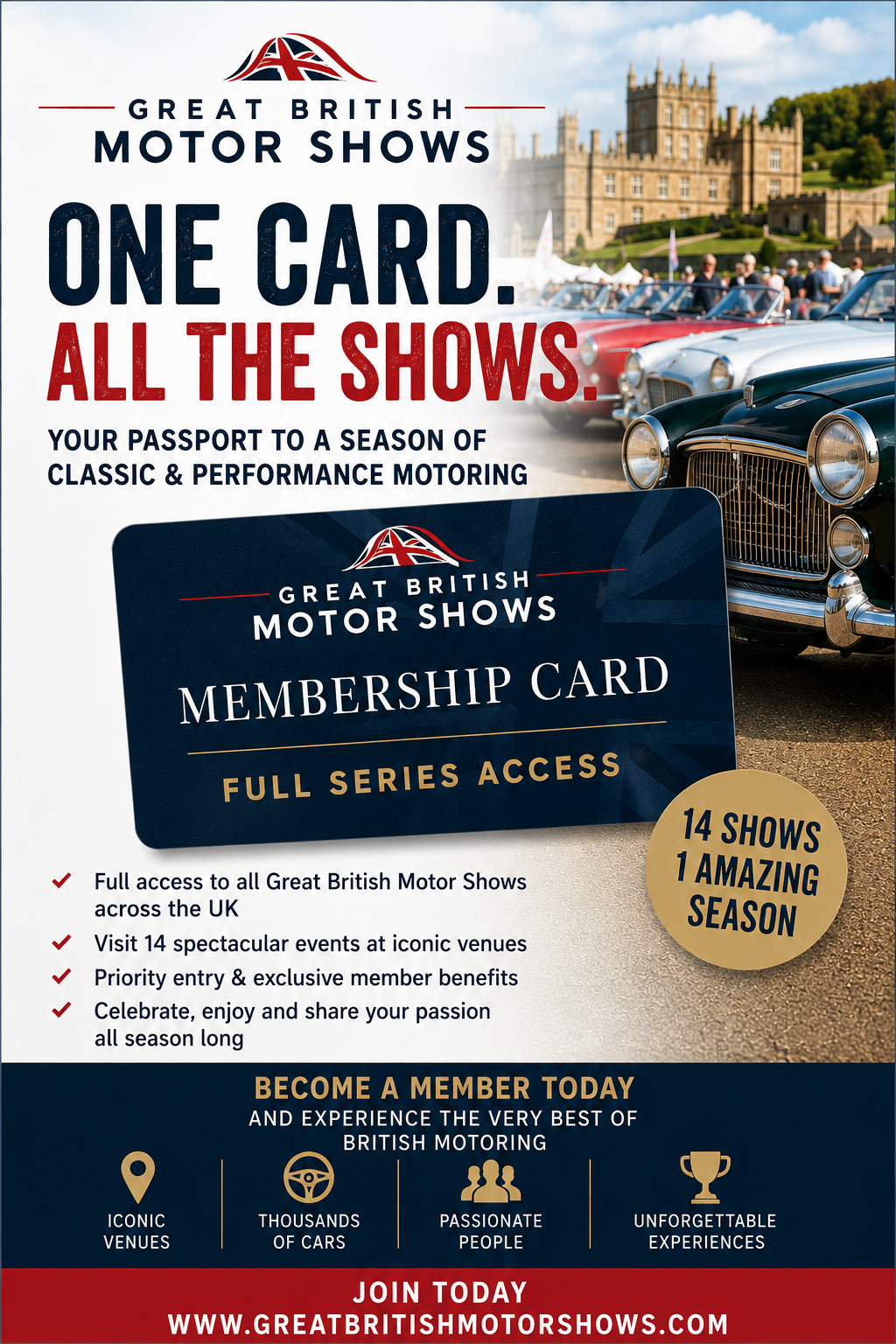
Great British Motor Shows brings together machines from across motoring culture, and motorcycles add a distinctive sound, shape and sense of craftsmanship to that mix. Your entry does not have to be the rarest or most expensive bike on the field. Bring it clean, safe, accurately presented and ready to share its story, and it will earn the attention that makes a show day worthwhile.
The best closing thought is a practical one: book early, prepare calmly and arrive proud of the bike you rode or transported there. The conversations, photographs and fresh motivation for the next garage job will follow naturally.