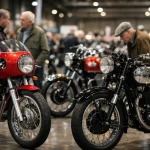

A classic bike should never be judged solely by the badge on its tank. The same goes for a show. This classic motorcycle show review looks beyond the headline machines to the things that make a proper day out: the conversations around a freshly restored Norton, the smell of hot oil near a running display, the club stands packed with knowledge and the unexpected motorcycle that stops you in your tracks.
For many visitors, classic motorcycle shows are one of the few places where decades of British, European, Japanese and American engineering sit side by side. You can admire a concours BSA one minute, study the purposeful simplicity of a 1970s trail bike the next, then find yourself drawn towards a lovingly used Honda that has clearly travelled thousands of miles rather than spent its life under a cover. That mix is the point. A great show feels alive, not overly polished.
Classic Motorcycle Show Review: What Makes a Show Worthwhile?
The strongest shows balance standout machinery with enough variety to reward a full day on site. Rare motorcycles matter, of course, but a row of museum-grade bikes alone can feel distant. The real atmosphere comes from owners who are happy to talk, marque clubs that have made an effort with their displays, traders with useful parts and memorabilia, and visitors who arrive with stories of their own.
Display quality is about more than perfect paint. A well-presented classic should tell you something about its era and purpose. That might be a café racer with period-correct controls, a heavyweight tourer equipped for continental miles, or a working machine still carrying the marks of a life on the road. Originality, restoration and sensible modern upgrades all have their place, provided they are presented honestly.
There is also a difference between a motorcycle gathering and a full-scale motor show. A gathering may offer a relaxed morning among like-minded riders. A bigger event brings broader vehicle categories, trade stands, food, entertainment and a destination setting. Neither is automatically better. It depends whether you want specialist conversation around one marque or a wider family day out with plenty to see between the bike displays.
The bikes that draw the biggest crowds
British classics remain central to the appeal. Triumph twins, BSA singles, Norton Commandos, Matchless machines and Vincent icons carry a special weight because they reflect both engineering ambition and the enduring culture around British motorcycling. Their appeal reaches well beyond owners. Even visitors who have never swung a leg over one recognise the silhouettes, exhaust notes and polished metalwork.
Japanese motorcycles bring a different kind of excitement. Early Hondas, Kawasaki triples, Suzuki two-strokes and Yamaha sports bikes now have a loyal following that continues to grow. They remind visitors how quickly motorcycling changed from the 1960s onwards, with more power, sharper handling and technology that redefined what a production bike could do.
Then there are the bikes that make a show memorable precisely because they are unfamiliar. A small-capacity Italian machine, an Eastern European two-stroke, a military motorcycle or a beautifully preserved moped can attract just as much attention as the obvious headline act. The best displays leave room for these surprises.
The Owner Stories Are Half the Experience
Classic motorcycling is a hands-on hobby. Every machine has needed patience, problem-solving and, usually, a few late nights in the garage. Owners often know the history of their bikes in remarkable detail, from factory changes and difficult-to-source components to the quirks that only emerge after years of ownership.
That makes a good show a place to learn without feeling lectured. Someone restoring their first project may find practical advice on paint codes, carburettor set-up or finding the right specialist. A long-time collector may spot an original accessory or meet the person who can finally identify a mystery part. Casual visitors get a more human view of the hobby than they would from a static museum display.
Club stands are particularly valuable here. They bring together people who know a model range inside out, and they often show several versions of the same motorcycle to explain how it evolved. A well-run club display can turn a bike you barely noticed on arrival into the one you are still talking about on the journey home.
Restoration, originality and the sensible middle ground
One of the most interesting discussions at any classic motorcycle show is whether a bike should be restored, preserved or improved. There is no single correct answer. A rare, untouched machine may deserve careful conservation, while a rough but complete project might benefit from a sympathetic rebuild that puts it back on the road.
Concours restorations are impressive because of the skill involved. Every fastener, transfer and finish needs close attention. Yet there is equal charm in a motorcycle that has been maintained rather than remade, complete with aged paint, period accessories and a documented history. It is often the honest details that give a machine its character.
Modern upgrades can be sensible too. Better tyres, improved lighting, electronic ignition and discreet braking improvements may make an older motorcycle safer and more enjoyable in modern traffic. For purists, these changes should be reversible. For riders who cover serious miles, reliability and safety can matter more than strict factory specification. A thoughtful show should welcome both approaches rather than treating one as automatically superior.
More Than a Row of Motorcycles
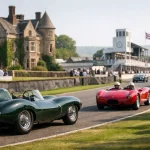
Venue matters. Seeing classic motorcycles against the backdrop of an historic estate, parkland or a well-kept showground gives the event a sense of occasion that a retail car park cannot match. It encourages visitors to slow down, explore and make a day of it with friends or family.
Practical details still make or break the experience. Clear arrival information, sensible parking, signed entrances, good toilet facilities and a choice of food are not glamorous, but they shape the day. British weather is part of the bargain at outdoor events, so covered areas and firm walking routes can make a major difference when the ground is wet.
A healthy trade presence adds another layer. The most useful traders offer genuine parts, tools, clothing, workshop services, manuals, art and model memorabilia rather than the same stall repeated across the site. Even if you are not buying, it is enjoyable to see the specialist knowledge behind the products. If you are hunting for a hard-to-find item, a show can save weeks of searching and put you face to face with someone who understands exactly what you need.
Families should not feel like an afterthought either. The best events give committed enthusiasts plenty of detail while remaining welcoming to anyone who simply wants to see beautiful machinery and enjoy the setting. A child may remember the roar of a classic race bike firing up; a non-riding partner may find a favourite car, food stand or piece of venue history. That shared experience is what brings people back.
How to get more from your visit
Arrive with time to wander rather than treating the show like a quick shopping trip. The first lap is for taking in the scale of the displays. The second is where you return to the bikes that caught your eye, speak to owners and notice the smaller details.
If you are bringing a bike, a clean machine and a willingness to chat go a long way. It does not need to be a concours winner. Enthusiasts respond to genuine ownership stories, whether you have completed a painstaking restoration or simply kept a much-loved commuter on the road.
For prospective buyers, keep expectations grounded. A show is excellent for comparing models, meeting specialists and understanding current enthusiasm around a marque, but it is not a substitute for checking documentation, condition and mechanical health carefully. A gleaming tank can hide expensive work. Use the show to build knowledge first, then make decisions with your head as well as your heart.
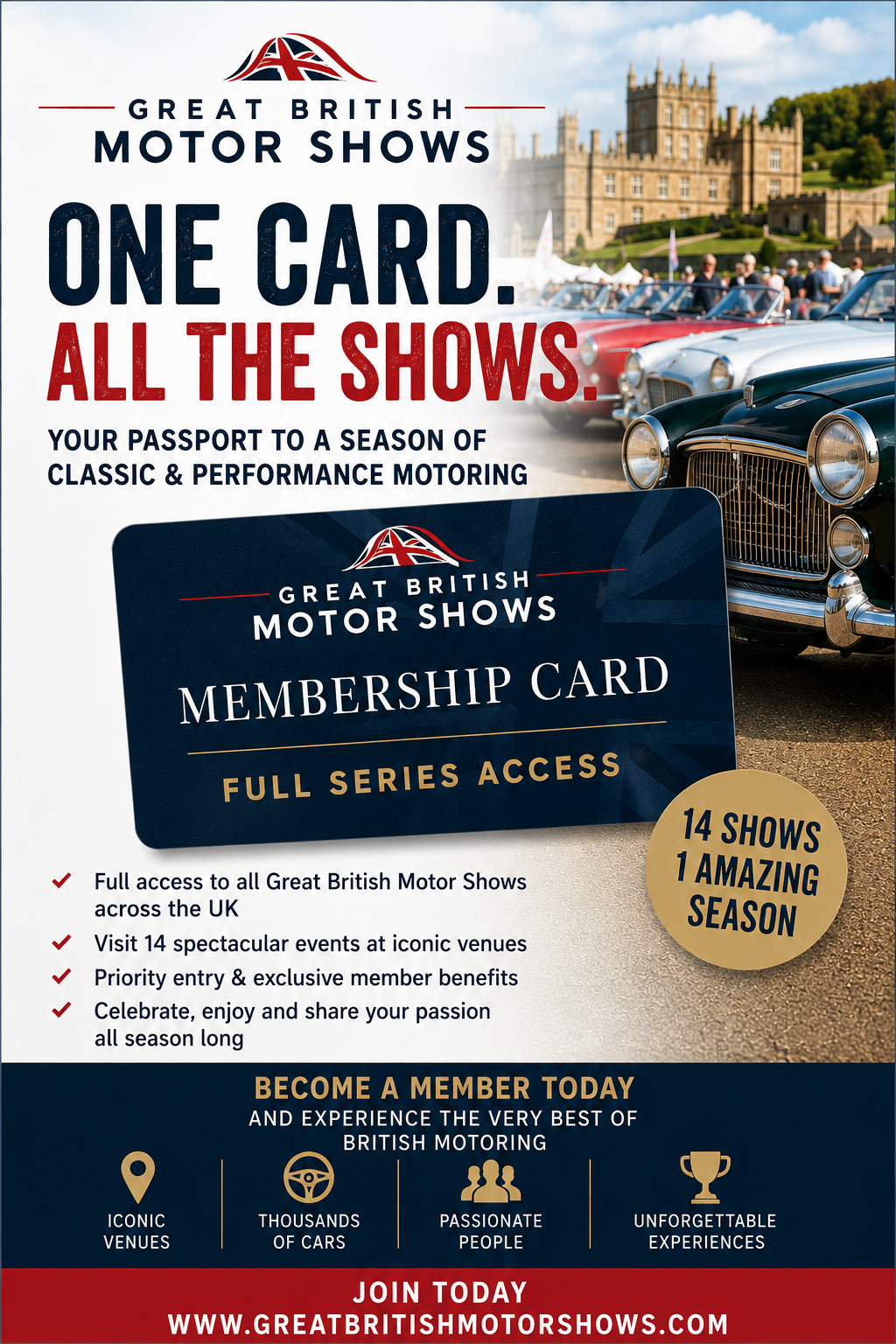
Great British Motor Shows brings this wider approach to live motoring events, creating space for classic motorcycles alongside other enthusiast vehicles and the people who keep their stories moving. The result is not just a display of the past, but a lively celebration of what continues to make motorcycling matter.
The bike that stays with you might not be the rarest or the most valuable machine on the field. More often, it is the one with a good owner story, a detail you had never seen before, or an exhaust note that takes you straight back to a particular road, year or first ride. Give yourself time to find it.