You can spot the difference the moment you walk onto a showground. A row of well-presented club cars does more than fill space – it gives the event a pulse. Car club display events bring stories, rivalries, restoration journeys and decades of motoring culture into one place, and that is exactly why they remain one of the strongest parts of any live show calendar.
For visitors, they add depth. For owners, they create a proper destination for the cars they have spent years building, preserving or perfecting. For organisers, they turn a good event into one that feels alive from gate opening to the final departure queue. In a motoring world that now stretches from pre-war classics to supercars and modified builds, club displays still hold everything together.
What makes car club display events special
A great club display is never just about parking vehicles in neat lines. It is about bringing together people with a shared obsession, whether that is period-correct restoration, rare trim details, motorsport heritage, Japanese performance, air-cooled engineering or one very specific model that most of the public have not seen in years.
That shared knowledge changes the atmosphere. Visitors are not only looking at cars – they are hearing why one version matters more than another, what parts took two years to source, and how one family has owned the same vehicle across generations. That kind of conversation cannot be replicated by a static showroom or a quick scroll on social media.
It also gives a show more character. A broad event with classics, bikes, performance cars, modified metal and prestige machinery is exciting because of variety, but club displays add structure to that variety. They help visitors navigate the day, spot their favourites and discover something unexpected a few rows further on.
Why clubs are the backbone of a strong motor show
Every successful event needs standout vehicles, but it also needs community. Clubs bring both. They arrive with numbers, they arrive with pride, and they often arrive with the sort of presentation standards that lift the entire field.
That matters for organisers because a strong club presence creates confidence in the event itself. When visitors see respected local and national clubs on display, it signals that the show is worth attending. It tells traders there will be a serious audience. It tells owners who are thinking of exhibiting next time that this is the kind of event where their vehicle will be appreciated.
There is a practical side to it as well. Club bookings help build the shape of the show in advance. They create visual impact, support pre-event marketing and make it easier to offer visitors the mix they expect, from heritage saloons and concours-level classics to modern performance icons and carefully executed custom builds.
That does not mean every club display needs to be huge to make an impact. Sometimes a smaller, tightly curated stand of rare or unusual vehicles can stop more people in their tracks than a larger group of similar cars. It depends on the audience, the venue and the balance of the wider event.
Car club display events work best when the venue adds something
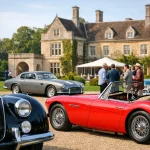
This is where live motoring shows really come into their own. The right venue changes how the cars feel. A stately home, a landscaped park or a historic estate gives club displays a sense of occasion that a standard hardstanding simply cannot match.
Classic cars look right at home against heritage architecture. Performance cars gain extra theatre when they are set within a destination venue people are genuinely excited to visit. Even family visitors who may not know every badge or engine code respond to that wider experience. The day becomes more than a car meet – it becomes an outing.
That venue-led appeal is one reason regional events continue to draw strong support across the UK. People want quality, but they also want accessibility. A well-run show in a memorable setting, within reasonable travelling distance, is a far easier yes for clubs, owners and families alike.
What owners get from displaying with a club
For many owners, showing with a club is the best way to enjoy an event. There is a shared arrival, a designated area, a familiar crowd and a sense that the effort put into preparing the car will be recognised by people who understand it.
It is also more relaxed than entering a heavily judged competition if that is not your scene. Some owners want concours scrutiny. Others simply want to spend the day among like-minded enthusiasts, answer a few questions, compare notes and enjoy seeing what everyone else has brought along. Club displays leave room for both.
There is also the social side, which should never be underestimated. Cars may be the reason people turn up, but friendships are what bring many back year after year. One member might be midway through a restoration and need advice. Another may be considering a first classic purchase. Someone else may know exactly where to find that elusive part. These conversations are part of the value.
For newer enthusiasts, club display areas can be a gateway into the wider scene. Not everybody arrives as a seasoned collector. Some are just starting out with a first project, a modern hot hatch or a long-held ambition to buy something special. Seeing approachable owners and well-presented club stands makes the hobby feel open rather than closed off.
Why visitors keep coming back
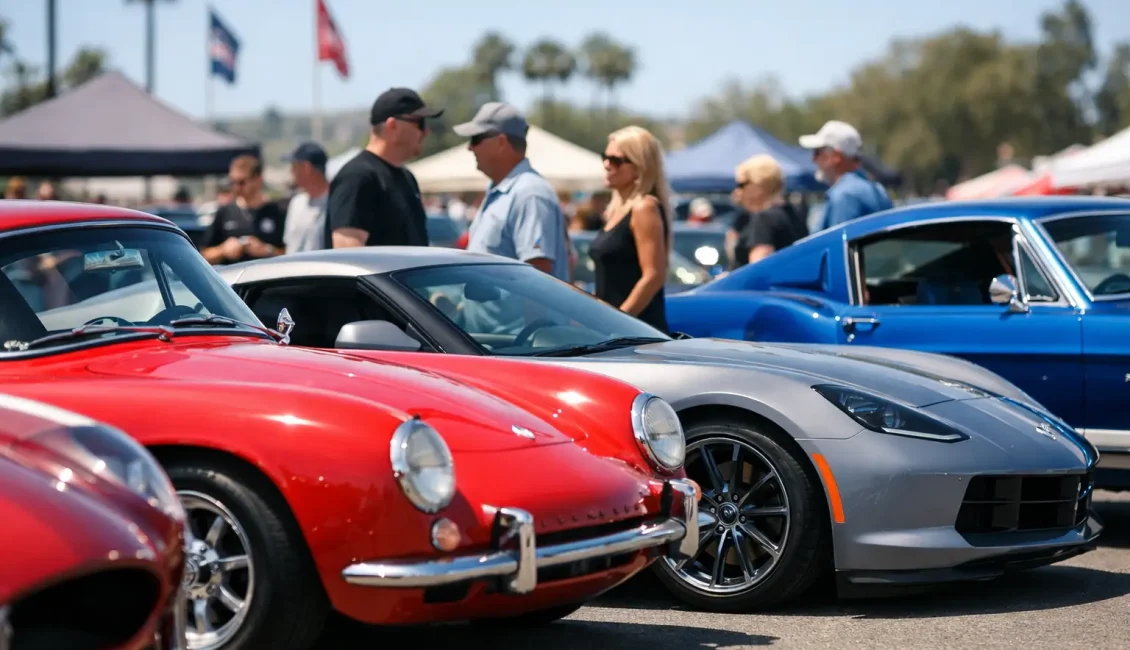
From a visitor perspective, car club display events create range without chaos. You can move from a line-up of British classics to a stand full of tuned imports, then on to prestige machinery and period motorcycles, all while speaking to people who know the vehicles inside out.
That makes the day richer for enthusiasts, but it also works brilliantly for mixed groups. One person might come for the Fords, another for the Italian sports cars, another for the modified scene. Families can wander, stop for food, watch the arena activity and still feel there is plenty to see around every corner.
The best events understand that not every attendee arrives with the same level of knowledge. Some will know every production year and engine option. Others simply know what catches their eye. Club displays serve both groups well because they offer visual spectacle and genuine conversation at the same time.
How the best car club display events are organised
Good club displays do not happen by accident. They rely on clear communication, sensible layout planning and an understanding of how different vehicle types should sit together on the showground.
Space matters. Clubs need enough room to present their cars properly, but not so much that the display feels thin. Access matters too, especially for low cars, older vehicles or larger club convoys arriving in a set window. Signage, stewarding and pre-event information can make the difference between a smooth arrival and a frustrating start to the day.
Curation matters as well. A strong event usually balances heritage with variety. Too much of one category can narrow the appeal, while too broad a mix with no structure can feel disjointed. The sweet spot is an event that gives each club its own identity while still feeling part of a bigger motoring celebration.
That is where experienced organisers stand out. A packed event calendar, trusted venues and a broad enthusiast audience all help, but the real test is whether clubs feel looked after and visitors feel they have had a full day out. When that balance is right, the event builds momentum year after year.
At Great British Motor Shows, that mix of destination venues, wide vehicle categories and strong club attendance is a big part of what keeps the calendar moving and the show fields full.
The future of club displays looks strong
Motoring culture keeps evolving. Electrification is changing the market, younger audiences are entering through different routes, and online communities now shape enthusiasm as much as magazine shelves once did. Even so, physical events still offer something digital platforms cannot – scale, sound, presence and shared experience.
That is why club displays continue to matter. They give enthusiasts a reason to travel, a place to belong and an opportunity to put real cars in front of real people. They also help events stay broad and relevant, because clubs often reflect the shifts happening across the scene long before the wider public catches up.
Some years, the big draw will be ultra-clean classics. Other years, it may be nineties heroes, restomods or high-end modern performance. A good club display scene can absorb those changes without losing its heart.
If you are planning your next motoring day out, do not just look at the headline attractions. Look at the clubs on the field, because that is often where the best conversations, the rarest finds and the strongest sense of community will be waiting.