
Some shows have good cars. The best modified car show UK events have atmosphere from the moment you arrive – a line of tuned machinery at the gates, clubs setting up polished display rows, traders unloading fresh stock, and the steady sense that there is plenty to see before you have even crossed the entrance.
That is what keeps enthusiasts coming back. A strong modified show is never just about loud exhausts or headline power figures. It is about detail, creativity, engineering and the people behind the builds. In the UK, where car culture runs from old-school Max Power nostalgia to modern performance tuning, the right event brings all of it together in one place and gives it room to breathe.
What defines a great modified car show UK event
A proper modified show needs variety, but not chaos. Visitors want a broad mix of cars – hot hatches, Japanese icons, German performance saloons, retro builds, track-inspired projects and clean OEM-plus examples – yet they also want the show to feel curated rather than random. The strongest events strike that balance well.
You should be able to wander from a neatly presented club stand of immaculate Imprezas to a row of air-suspended Volkswagens, then on to stripped-out drift builds, turbocharged Fords and serious engine swaps that stop people in their tracks. The appeal is not just the badge on the bonnet. It is the thought that has gone into the stance, paint, wheel choice, interior trim and fabrication work.
There is also a big difference between a car meet and a proper event. A meet can be lively, but a show offers more structure, better presentation and a far more complete day out. Good venue access, sensible layout, quality food and drink, trade areas, family-friendly facilities and enough space around the cars all matter. Enthusiasts notice when the setting adds something special rather than simply holding the cars.
Why modified shows still matter
The modified scene has changed over the years, but it has not lost its pull. If anything, live events matter more now because so much car culture is filtered through phones. Social media is useful for updates and inspiration, but it rarely gives you the scale of a build, the finish on a paint job or the craftsmanship in an engine bay. You get that properly only when you see the car in person.
That is why a modified car show UK audience remains so broad. Some visitors grew up around the boom years of custom hatchbacks, body kits and ICE installs. Others have come in through modern tuning culture, whether that means mapped fast Fords, wide-bodied German saloons or Japanese performance cars built for road and occasional track use. Then there are families and casual visitors who simply enjoy a great venue, a lively crowd and the spectacle of unusual machinery.
This mix is one of the scene’s strengths. A good show welcomes the owner polishing every nut and bolt, the club member arriving in convoy, the trader with a specialist product range and the visitor who just wants an enjoyable day out among impressive cars.
The cars that pull a crowd
There is no single formula for what gets attention, which is part of the appeal. Some of the most photographed cars at any show are not the most expensive. They are the ones with a clear identity. That might be a period-correct 1990s build, a beautifully finished resto-mod, a track-ready project with serious intent, or a street car put together with patience and taste.
Japanese performance remains a major draw because the fan base is so loyal and the cars have such strong character. Skylines, Supras, Evos, Imprezas and MX-5 builds all bring their own following. At the same time, the European scene is huge, with everything from subtle Audi and BMW projects to aggressive RS, AMG and Volkswagen builds commanding attention.
British favourites still have a place too. Modified Fiestas, Escorts, Minis and fast Vauxhalls carry real nostalgia, especially when they are presented with care rather than built purely for shock value. That blend of old and new is where UK shows often feel strongest. You can appreciate heritage and fresh thinking in the same walk around the grounds.
Clubs are the backbone of the scene
The best modified events do not rely only on individual entries. They thrive because of clubs. Car clubs bring shape, scale and community to a show, turning a collection of separate vehicles into something bigger and more welcoming.
A well-organised club stand creates instant energy. Members arrive together, display together and spend the day talking to visitors who want to know what is standard, what has been upgraded and what the build journey looked like. For owners, that social side is a major part of the experience. For visitors, it adds personality and knowledge that you do not get from simply looking at parked cars.
This is also where shows become more accessible for newcomers. Not everyone arrives with a fully finished build. Some come with tidy road cars and an interest in the scene. Others are midway through a project and want ideas, parts or advice. Club culture helps bridge that gap and makes the day feel inclusive rather than closed off.
Venue matters more than people think
A modified show always starts with the cars, but the venue shapes the memory. Historic estates, large parkland settings and destination sites give events a sense of occasion that standard tarmac locations often cannot match. There is room for display, movement, photography and relaxed viewing, which all improve the day.
That setting also broadens the appeal. Enthusiasts may come for the metal, but many visitors choose a show because it feels like a full day out rather than a quick stop. If the grounds are attractive, the layout is easy to navigate and there is enough happening across the site, people stay longer and enjoy more of what is on offer.
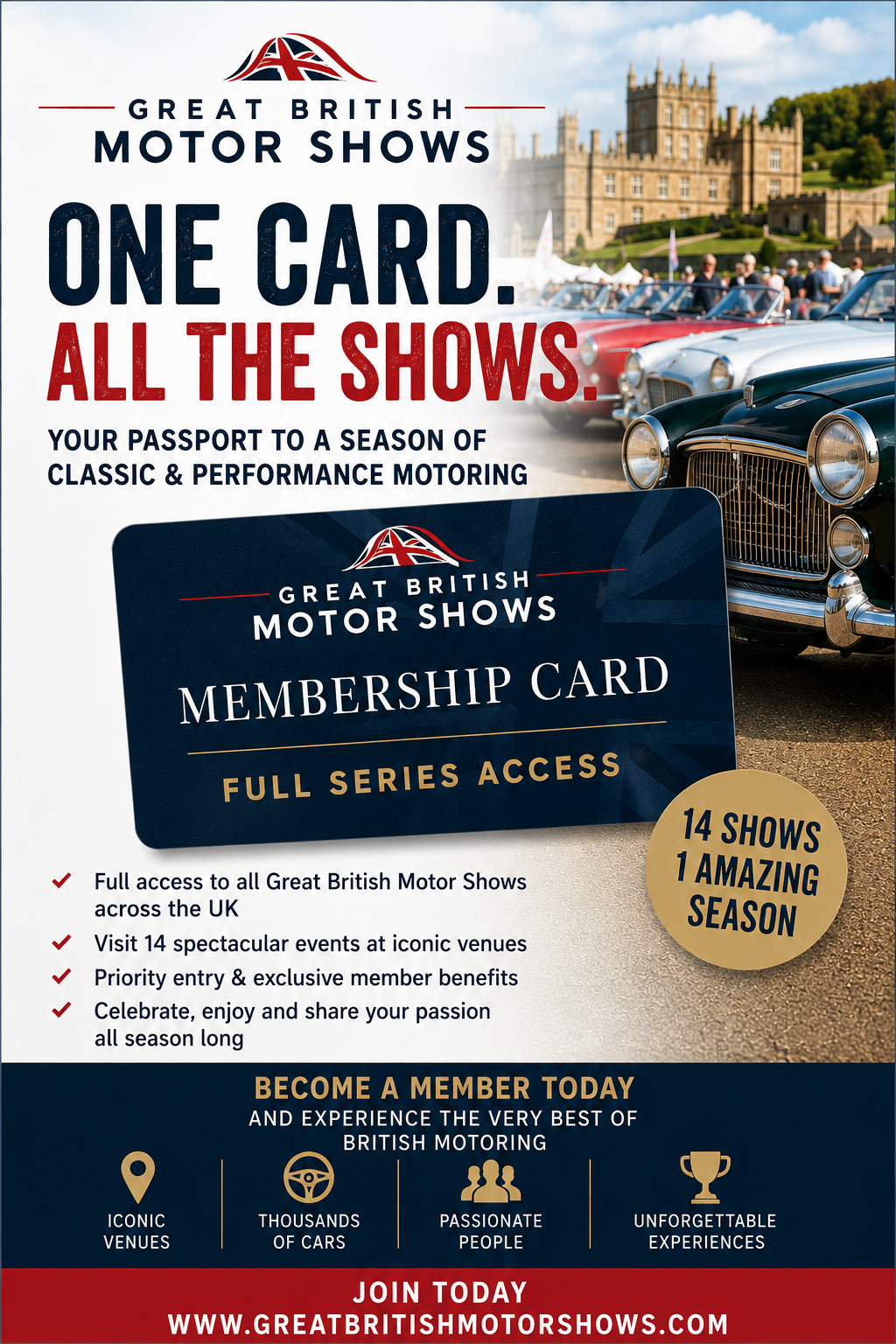
For event organisers, that creates a better experience for everyone involved – visitors, exhibitors, traders and partners alike. It is one reason why established names such as Great British Motor Shows continue to draw interest across multiple vehicle categories. When the venue and the content work together, the event feels substantial from start to finish.
What to look for before booking tickets
If you are choosing a modified event, a bit of homework goes a long way. The first thing to check is whether the show genuinely features modified vehicles as a core attraction rather than as a token side area. Some broader motoring events do this well by mixing classics, performance cars and modified displays, while others lean too heavily in one direction.
It is also worth looking at how the event presents itself. Are clubs encouraged? Are exhibitor spaces clearly planned? Is there a trader presence? Does the venue suit a full day out? These details usually tell you whether the organisers understand what enthusiasts actually value.
If you are showing a car, practicalities matter just as much. Arrival timing, display standards, stand allocation and on-site facilities all shape your experience. A packed field of quality cars is exciting, but only if the event is run smoothly enough for owners to enjoy it too.
The trade-off between spectacle and substance
Every event makes choices. Some go big on noise, demos and visual impact. Others focus on static display quality and a more relaxed atmosphere. Neither is automatically better. It depends what kind of day you want.
If you love high-energy crowds, dramatic builds and plenty happening at once, a busier event with broader appeal may suit you. If you prefer close inspection, conversations with owners and a more polished display environment, you may lean towards shows with stronger curation and less sensory overload.
The sweet spot is often somewhere in the middle – enough spectacle to feel exciting, enough substance to reward people who care about the finer points of the cars. That is what separates an enjoyable event from one that feels forgettable after an hour.
Why the scene keeps moving forward
Modified culture has always evolved with the times. Styling trends change. Wheel fashions come and go. Engine choices shift. EV conversation is starting to enter the wider performance world too, even if traditional petrol-powered builds still dominate enthusiast interest. The point is not that every trend lasts. It is that the scene remains inventive.
That spirit is exactly why modified shows still draw crowds across the country. They offer a live snapshot of where UK car culture has been, where it is now and what might be next. You see nostalgia parked next to experimentation, and both belong.
If you are planning your next automotive day out, choose an event that gives modified cars the stage they deserve, with the clubs, venue and atmosphere to match. The right show does more than display great builds – it reminds you why this scene continues to pull people in year after year.