

You can spot the debate before the engines even start. One person points at a Porsche 911 and calls it a supercar. Someone else insists it is firmly a sports car. Then a McLaren rolls in, doors up, and suddenly everybody agrees on at least one thing – these labels matter because they say something about performance, design, rarity and the kind of thrill a car is built to deliver. If you have ever wondered about the difference between sports car and supercar, the short answer is this: both are built for excitement, but a supercar pushes further in speed, theatre, technology and exclusivity.
That said, the line is not always neat. Some sports cars are so fast and so capable that they start to overlap with entry-level supercars. Some supercars are civil enough to use every day. The badge on the bonnet does not settle the argument on its own.
What is the difference between sports car and supercar?
At the most basic level, a sports car is designed to prioritise driver enjoyment, agile handling and strong performance over pure practicality. It might be compact, low-slung, rear-wheel drive and tuned to feel sharp on a twisting B-road. A supercar takes that idea and turns the volume right up. It is usually more powerful, more dramatic to look at, more expensive to buy and more exclusive to own.
A sports car is often about balance. A supercar is often about excess, in the best possible sense. The sports car wants to connect you to the road. The supercar wants to stop you in your tracks before it has even moved.
That is why cars such as the Mazda MX-5, Toyota GR86, Alpine A110 and Porsche 718 sit comfortably in the sports car camp, even though they vary hugely in price and pace. Supercars tend to live in a different world altogether, occupied by machines from Ferrari, Lamborghini, McLaren and others where performance figures, visual drama and engineering ambition are part of the whole appeal.
Performance is the obvious gap, but not the only one
Power is usually the first thing people compare, and for good reason. Sports cars can be quick, very quick in some cases, but supercars are built to deliver headline numbers. Faster acceleration, higher top speeds and greater grip are expected.
Still, performance is not just about bhp. A good sports car often feels alive at sensible road speeds. You can enjoy its chassis, steering and balance without needing a race circuit or a runway. That is part of its charm. A supercar may be astonishingly capable, but much of that ability sits at the far end of the speed range.
This creates an interesting trade-off. On real British roads, with traffic, weather and uneven surfaces, a sports car can sometimes feel more useable and more engaging more of the time. A supercar may be objectively faster, but not always more enjoyable on a damp Sunday morning in the countryside.
Design and presence set supercars apart
If a sports car is athletic, a supercar is theatrical. This is one of the clearest ways to understand the difference between sports car and supercar.
Sports cars can be sleek and purposeful, but supercars are usually styled to make an entrance. Think wider bodywork, lower rooflines, larger air intakes, more aggressive aero and proportions that look almost impossible in the metal. Even parked up, a supercar feels like an event.
That sense of occasion matters. It is part of what people are paying for. Many sports cars are handsome and exciting, but they can still blend into traffic. A supercar rarely does. Children point at them. Crowds gather. Cameras come out. At live events, they instantly become focal points, not simply because of price, but because they look and sound like something special.
Price, rarity and ownership experience
Cost is not the definition, but it is a strong clue. Sports cars cover a broad range, from relatively attainable weekend toys to serious high-performance machinery. Supercars sit much higher up the ladder. The purchase price is greater, and so are servicing costs, insurance premiums and the general financial commitment that comes with ownership.
Rarity also plays a part. Sports cars are produced in larger numbers and are often designed to be sold as regular road cars, even if they are niche products. Supercars are usually built in smaller volumes, with greater emphasis on exclusivity. Special editions, bespoke options and long waiting lists are all common territory.
This is where image and experience become part of the category. Buying a supercar is not just buying transport or even performance. It is buying access to a certain level of engineering ambition, prestige and spectacle. For many owners, that theatre is every bit as important as the lap time.
Everyday use is where sports cars often win
For all the glamour of the supercar world, sports cars usually make more sense for regular use. They are easier to park, easier to live with and less demanding on the wallet. Many offer decent luggage space, reasonable visibility and suspension that can cope with ordinary roads without turning every journey into hard work.
That is one reason sports cars have such a loyal following. They deliver much of the emotion people want from a performance car, but without requiring a heroic level of commitment. You can commute in some of them, head off for a weekend away, then enjoy a spirited drive home.
Supercars have improved massively in this area. Modern examples can be refined, comfortable and packed with driver aids. Even so, they still tend to ask more of the owner. Ground clearance can be an issue. Attention from the public can be relentless. Running costs remain firmly in premium territory.
Is a Porsche 911 a sports car or a supercar?
This is where the conversation gets interesting. Some cars sit right on the border. The Porsche 911 is the classic example because the range is so broad. A Carrera feels like a brilliantly usable sports car. A GT3 RS or Turbo S starts to wander into supercar performance and presence.
The same goes for cars such as the Audi R8, Mercedes-AMG GT and Aston Martin Vantage. Depending on the model, the generation and who you ask, they may be described either way. That is why rigid definitions can fall apart once you leave the obvious examples.
A good rule is to look at the whole package rather than one figure on a spec sheet. Does the car major on balanced driver engagement and day-to-day usability, or does it lean into extreme performance, standout styling and exclusivity? The answer usually tells you where it belongs.
Why the difference matters to enthusiasts
For some people, these are just labels. For enthusiasts, they shape expectations. If you arrive at a show expecting sports cars, you are thinking about handling, heritage, engineering character and perhaps cars that feel within reach. If you are expecting supercars, you are looking for spectacle, rarity and the sort of machinery that turns a paddock into a crowd magnet.
That is also why both categories matter so much at a well-curated event. Sports cars bring variety and relatability. Supercars bring drama and star power. Together, they create the mix that keeps visitors moving from one display to the next, comparing generations, marques and philosophies of performance. At Great British Motor Shows, that blend is part of what makes seeing these cars in person far more rewarding than scrolling past them on a screen.
Sports car vs supercar: the emotional difference
Beyond the numbers, there is a different flavour to each experience. A sports car often feels like a machine you grow with. You learn its responses, enjoy its balance and appreciate the way it rewards good driving. There is a sense of involvement that can be deeply satisfying.
A supercar tends to feel more like an event from the moment you approach it. The doors, the cabin, the sound, the width, the reaction it gets from everyone around it – all of that adds to the appeal. It can feel outrageous, and that is precisely the point.
Neither approach is better in every situation. If your idea of motoring fun is chasing the perfect line on a favourite road, a great sports car may be the richer experience. If you want maximum drama, maximum pace and a sense that every journey is a special occasion, the supercar starts to make its case very quickly.
So which one should you prefer?
It depends what excites you most. If you value finesse, accessibility and enjoyment at realistic road speeds, a sports car is often the sweeter answer. If you want the outer edge of road-car performance with styling and presence to match, that is where the supercar comes into its own.
The best part is that you do not have to pick a side to appreciate both. One celebrates purity. The other celebrates ambition. Put them side by side and you can see the whole performance car story at once – from the machine that begs to be driven hard on a flowing road to the one that turns every arrival into a proper occasion.
Next time the debate starts beside a polished bonnet or across a showground, you will know that the difference is not just about speed. It is about purpose, personality and the kind of excitement each car brings with it.



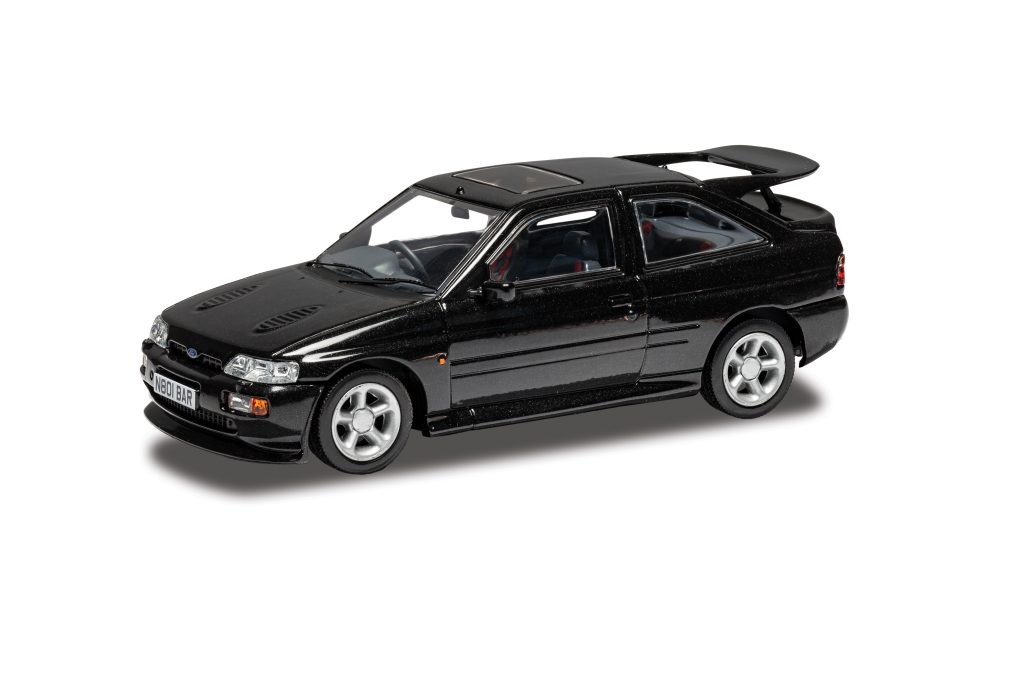 Image: CORGI