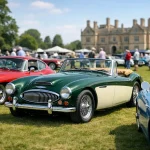

There is something different about arriving at a motoring event through estate gates, with a long drive ahead and a line of polished metal waiting on the lawns. Car shows at stately homes do not feel like a standard meet in a field or a quick stop at a retail car park. They feel like an occasion – and for enthusiasts, clubs, exhibitors and families alike, that difference matters.
The setting changes the whole rhythm of the day. You are not simply turning up to look at cars and head home by lunchtime. You are stepping into a venue with presence, history and space to do things properly. That is a major reason why these events continue to draw strong crowds across the UK, from classic owners and performance fans to people who just want a brilliant day out somewhere special.
What makes car shows at stately homes stand out
The most obvious answer is the backdrop. A stately home gives any line-up more impact, whether it is a row of pre-war classics, a collection of modern supercars or a mixed display of club vehicles. Cars look better in these surroundings. Owners know it, photographers know it, and visitors feel it the moment they arrive.
But it is not only about appearance. Historic estates often bring scale, variety and a sense of arrival that purpose-built event spaces sometimes struggle to match. A good venue has sweeping grounds, clear display areas, room for traders, food and family attractions, plus enough breathing space that the show never feels cramped. You can spend real time there without everything becoming a blur.
That atmosphere also helps different parts of the audience enjoy the same event for different reasons. Serious enthusiasts can study bodywork, restorations and engineering details. Families can enjoy the venue, the grounds and the wider experience. Clubs get a setting that flatters their cars and rewards the effort of turning out in numbers. Traders benefit from a crowd that is already in the mood to stay, browse and spend time on site.
Heritage meets horsepower
One of the biggest strengths of these events is the contrast. A stately home represents craftsmanship, design and British heritage. So does a great car, whether that means a carefully restored MG, a hand-built Aston Martin, a track-focused Porsche or a brilliantly executed modified build. Putting them together feels natural.
That is why the format works across so many categories. It is easy to assume a stately home venue only suits classic cars, but in reality the appeal is much broader. Supercars gain extra drama in a heritage setting. Performance cars bring energy and noise to formal grounds. Modified vehicles add colour and personality. Bikes and specialist machines can hold their own just as easily. The best events do not force one narrow idea of motoring culture. They celebrate the range of it.
For visitors, that mix keeps the day fresh. You might arrive to see a favourite classic and end up spending half an hour admiring a row of Japanese performance cars or chatting to an owner about a restoration project. That cross-pollination is part of the appeal. Well-curated shows give people more than they expected.
Why the venue matters to exhibitors and clubs
From an exhibitor or club perspective, venue quality is not a small detail. It can be the difference between a show that feels forgettable and one that people circle on the calendar for next year. When members have cleaned, prepared and driven their vehicles to an event, they want a setting that makes the effort worthwhile.
Car shows at stately homes tend to offer that sense of reward. The display has impact. The photos are better. The public engagement is stronger. There is often a more relaxed flow to the day because people are not being funnelled through a tight site with little room to stop and talk.
That said, the venue alone is not enough. A beautiful estate will not rescue poor event planning. Layout matters. Signage matters. Entry procedures matter. Clubs need sensible placement, traders need footfall, and visitors need a clear route through the event. The strongest shows combine a memorable location with solid organisation behind the scenes. That is where experience really shows.
The visitor experience is broader than the cars
A lot of people come for the vehicles and stay for the full day because the setting encourages it. That is a real advantage of stately home venues. They naturally lend themselves to a wider experience without turning the motoring side into an afterthought.
You can walk the show field, grab food, explore the grounds, stop for a proper chat with owners, and still feel there is more to see. For couples, families and mixed groups, that is a big win. Not everyone arrives with the same level of automotive obsession. A great venue gives casual visitors enough to enjoy while enthusiasts still get the quality and variety they came for.
This wider appeal matters commercially too. Events grow when they welcome more than one type of audience. A collector might come for the concours-standard classics. A teenager might be there for modern performance cars. Parents may be looking for a day out that feels easy and worthwhile. A stately home setting helps bring those audiences together without diluting the event.
Car shows at stately homes are not all the same
It depends on the estate, the layout and the ambition of the organiser. Some venues are ideal for large mixed-category events with clubs, traders and family entertainment. Others suit a more specialist format with a tighter vehicle focus and a calmer pace. Neither approach is wrong. The key is matching the event to the site.
There are also trade-offs. Heritage venues can have stricter rules around access, vehicle movement, ground protection and noise. That is understandable, but it does mean organisers need to think carefully about logistics. If the route in is too awkward, parking is poorly handled or display areas are spread too thinly, the experience can lose momentum.
Weather is another factor. Open grounds look superb on a bright day, but British events always live with the risk of rain. Strong venues and experienced organisers plan for that reality rather than pretending it does not exist. Good surfaces, clear communication and sensible site management all count.
Why these shows keep building momentum
People want more from live events now. They want value, atmosphere and a reason to make a proper day of it. That is exactly where stately home motoring events have an edge. They offer spectacle without feeling artificial, and they give visitors a setting that already carries a sense of occasion before the first engine starts.
There is also a social side to it. Enthusiasts enjoy sharing the day, whether that means arriving in convoy, meeting friends from clubs, talking to traders or posting photos from a standout location. A stately home gives every part of that a lift. The event feels more substantial, more memorable and more worth talking about afterwards.
For brands and event organisers, that matters. Memorable venues help build repeat attendance. They help shows stand out in a crowded calendar. They make it easier to attract exhibitors, clubs and partners who want to be associated with quality surroundings and strong public turnout. It is one reason event-led brands such as Great British Motor Shows continue to place so much emphasis on venue choice as part of the overall experience.
The real appeal of car shows at stately homes
At their best, these events do not ask visitors to choose between motoring passion and a great day out. They deliver both. You get the metal, the stories, the engineering and the community, but you also get atmosphere, heritage and a venue that elevates the whole experience.
That is why the format works so well across the UK. It suits the collector who wants to display somewhere special, the club member who enjoys travelling in with fellow enthusiasts, the trader looking for an engaged crowd and the family after something better than the usual weekend plan. It turns a car show into more than a line-up.
And that is the real point. The best motoring events are not only about what is parked on the grass. They are about where you are, who you meet and how the whole day feels when the setting is every bit as memorable as the cars themselves.