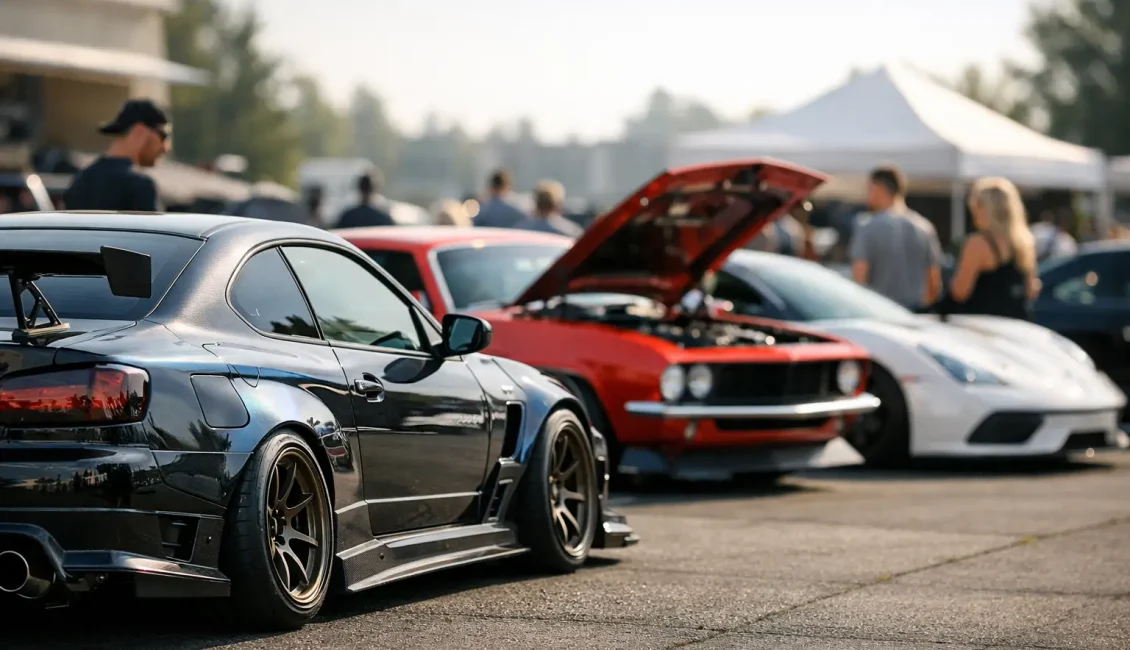
A spotless Mk2 Escort on period-correct wheels, a carefully restored Mini and a wide-arched track build can all draw a crowd for the same reason: someone has put real thought into them. So, are modified cars welcome at shows? In most cases, absolutely – provided the vehicle is presented safely, respectfully and to a standard that suits the event.
The key is understanding that not every motoring show has the same purpose. A relaxed enthusiast gathering may celebrate everything from a slammed hatchback to a high-horsepower restomod. A tightly curated concours or marque-specific display may have more particular expectations around originality, provenance or period correctness. Modification itself is rarely the issue. Fit, finish, safety and the character of the show matter far more.
Are Modified Cars Welcome at Car Shows?
Modified cars have always been part of British motoring culture. From early custom classics and rally-inspired road cars to modern performance builds, the best projects tell a story about the owner as much as the vehicle. They represent engineering knowledge, personal taste, long weekends in the garage and, often, a substantial investment of time.
That makes them a natural part of a broad, enthusiast-led motor show. Visitors enjoy variety. A line of beautifully preserved classics is even more compelling when it sits alongside a thoughtfully modified example that shows another side of the same car’s potential. The contrast starts conversations, brings different generations together and reminds everyone that car culture is not fixed in one era.
At Great British Motor Shows, the appeal lies in seeing a wide mix of classic, performance, prestige and modified machinery in memorable venues. A well-executed modified car can add genuine spectacle to that line-up, whether it is a subtly upgraded grand tourer, a retro-inspired hot hatch or a purpose-built track machine.
That said, welcome does not mean every car automatically belongs in every display area. Organisers need to protect the quality, flow and safety of an event for every exhibitor and visitor. They may assess vehicles individually, group them by category, or reserve certain areas for clubs and invited displays.
What Organisers Usually Look For
A show entry is not always a competition for the most expensive build or the rarest registration plate. It is usually about whether your vehicle will contribute positively to the overall experience. A modest car with a clear idea behind it can make just as much impact as an exotic machine.
Quality and attention to detail
A modified car does not need to be concours-perfect, but it should look cared for. Clean paintwork, tidy wheels, secure trim and an interior free from loose parts all make a difference. If the car has been built for function rather than polish, such as a track-focused project, present it with the same pride: clean it thoroughly, remove clutter and make the purpose of the build clear.
Details are where visitors linger. A neat engine bay, well-routed wiring, quality fabrication and components that suit the car’s era or intended use show that the modifications are considered rather than rushed.
Safety and roadworthiness
This is non-negotiable. A car attending a public event must be safe to display and, where it is driven on public roads, legal to use. Check tyres, brakes, fluid levels, battery security and any modified lighting before travelling. Ensure sharp edges are properly finished, bodywork is secure and there are no leaks that could create a hazard on a historic lawn or hardstanding.
If your build has a loud exhaust, remember that a show is a shared space. A spirited arrival may feel entertaining from behind the wheel, but excessive noise near families, animals, exhibitors and venue staff can quickly become a problem. Save the full soundtrack for an appropriate setting.
Suitability for the event
Read the vehicle registration information closely. Some shows actively invite modified cars, while others focus on a particular period, make, model or style of presentation. An organiser may welcome a modified vehicle but ask for photographs before confirming a place, especially where display numbers are limited.
Be honest when registering. Describe the car accurately and include recent photographs that show the exterior, interior and major changes. This gives the event team the information they need to place your car well and avoids disappointment at the gate.
Respect for the venue and other exhibitors
Many of the UK’s best motor shows take place at stately homes, parks and heritage locations. These settings are part of the day out, which means drivers must take extra care with speed limits, arrival instructions and surface protection. No burnouts, no antisocial driving and no unnecessary revving in the display area.
Good show etiquette matters too. Park where directed, arrive in your allocated time slot and keep access routes clear. If you need to leave early, speak to the event team rather than driving through a busy visitor area. The most admired owners are often those who are as considerate as their cars are impressive.
Originality Versus Modification: It Depends on the Show
There is room in the hobby for both preservation and personalisation. An unmodified, matching-numbers classic may be valued for its historical accuracy. A sympathetic restomod may be admired for making a beloved shape more usable, reliable and enjoyable on modern roads. Neither approach is automatically better – they simply appeal to different audiences.
For a classic-focused event, period-style upgrades often sit especially well. Think discreet electronic ignition, improved brakes, tasteful wheels, a suspension set-up that sharpens the handling or an engine upgrade that respects the car’s character. These changes can improve the driving experience without losing what made the vehicle special in the first place.
More radical builds can be equally welcome at performance, modified and mixed-marque events, particularly when they demonstrate serious workmanship. Engine swaps, bespoke bodywork, air suspension, motorsport hardware and contemporary interiors all have their place when the execution is sound. The trade-off is that highly individual styling will not suit every event’s brief, and that is perfectly fair.
If originality is central to a particular show, club stand or concours class, take that guidance at face value. Do not assume an organiser is dismissing modified cars. They are simply curating a specific kind of display. There will be other events where your build is exactly the car visitors hope to discover.
How to Give Your Modified Car the Best Chance of Acceptance
Preparation begins before you load the boot with cleaning products. Choose events that genuinely match your car, then enter early. Popular displays can fill well ahead of the event date, especially when clubs, traders and special features are involved.
When an application asks for details, use them to tell the story. Rather than writing “modified Golf”, explain the build in a sentence or two: the year, the main upgrades, the inspiration and what makes it distinctive. Mention restoration work, period parts, competition history or engineering challenges where relevant. A clear description helps organisers see the car as more than a registration number.
Fresh photographs are worth the effort. Take them in daylight against an uncluttered background, showing the car clean and complete. Avoid heavily filtered images or photos from a workshop mid-build unless the event specifically wants project cars. If your modifications are understated, include a close-up of the engine bay, cabin or suspension work to show the level of care involved.
On the day, bring the car as you would want it seen. A microfibre cloth, tyre dressing used sparingly and a small display board can elevate the presentation. The board does not need to read like a technical manual. A few lines covering the model, the work completed and why you built it will give visitors an easy way into a conversation.
The Builds People Remember
The modified cars that stay in visitors’ minds are rarely defined by a single expensive part. They are the ones with a coherent point of view. A 1990s hot hatch restored with the upgrades its owner wanted as a teenager. A classic saloon made into a comfortable long-distance tourer. A modern sports car developed for track days but still driven to the show.
Authenticity matters more than trends. Build the car you want to own, make it safe and present it properly. Visitors can spot genuine enthusiasm immediately, and they respond to owners who are happy to discuss their choices – including what they might do differently next time.
Bring your modified car to the right show, follow the entry guidance and let the craftsmanship do the talking. The best display fields are not filled with identical vehicles; they are filled with cars that give people a reason to stop, look closer and start a conversation.