The sound of a V12 arriving at a historic venue is not something you want to hear from the far end of a car park while you are still looking for the entrance. To plan a supercar show day properly, think beyond the ticket. A little preparation means more time around the cars, better photographs, fewer queues and a much more relaxed day out for everyone coming with you.
A great supercar display is about more than peak horsepower. It is the chance to see engineering, design and automotive theatre up close, from modern hypercars and track-focused specials to the icons that defined previous decades. Whether you are travelling with fellow enthusiasts, bringing the family or showing your own car, this is how to make the most of it.
Start Your Supercar Show Day With a Clear Plan
Decide what a successful day looks like before you set off. Some visitors want to photograph every headline car before the crowds build. Others want a leisurely walk around the venue, a look through the traders and time for a proper lunch. If you are attending with children or friends who are less car-obsessed than you are, leave room for breaks and avoid trying to see everything at race pace.
Check the event information before the day, including opening times, entry arrangements, parking guidance and whether advance tickets are required. Popular shows can be busy from the moment gates open, particularly when the forecast is good. Arriving early is usually the best move if rare machinery, clear viewing angles and a calmer first lap of the show are high on your list.
It also helps to set a meeting point. Large estates, parks and showgrounds are part of the appeal, but mobile signal can be unpredictable and it is easy for a group to split up while someone stops to admire an Aventador or an old-school Countach. Pick an obvious landmark near the entrance and agree a time to regroup.
Book Early and Travel Smarter
Advance booking gives you one less job on the morning of the event. Keep your ticket confirmation readily available on your mobile phone, but save it offline or take a screenshot as a sensible backup. A flat battery or patchy signal should not be the reason you are held up at the gate.
Plan your route with the final few miles in mind. A destination venue may have narrow approach roads, temporary traffic measures or a clearly signed route that differs from your usual sat-nav preference. Follow event signage as you get close, especially if separate entrances are in use for visitors, display vehicles, clubs and traders.
Give yourself more time than the journey estimate suggests. Traffic often gathers near the venue shortly before opening, and a relaxed arrival is far better than rushing through the gate just as the first engines start firing up. If you are travelling in a low car, take a quick look at the forecast and consider ground conditions too. Grass parking can be perfectly manageable, but prolonged rain changes the calculation.
For longer journeys, build in a fuel stop before the final approach. Queuing for petrol near a busy venue is not the most glamorous start to a day surrounded by supercars.
Dress for the Venue, Not Just the Forecast
British motor shows can deliver sunshine, a sudden shower and a brisk crosswind before lunchtime. Historic houses, parkland and outdoor display areas make for a brilliant setting, but you will cover more ground than you expect. Comfortable shoes are not optional if you want to spend the day properly exploring.
A light waterproof layer is usually a better choice than carrying a heavy coat, and sunscreen is worth packing even when the morning looks overcast. Bring water, especially on warmer days, but support the venue food and drink offer when it suits your plans. Sitting down for a break can be the difference between an enjoyable full day and an early departure.
If photography matters to you, pack light. A charged mobile phone, a small power bank and a cloth for wiping a lens will cover most situations. Large camera bags can become a nuisance in busy display rows, and you will get better results by moving patiently than by carrying more kit.
See the Cars Before the Crowds Build
The first hour is your opportunity to get your bearings. Take a quick walk around the full event area before committing to one display. You may spot a club stand, concours line-up, feature area or arriving vehicle that you would otherwise miss.
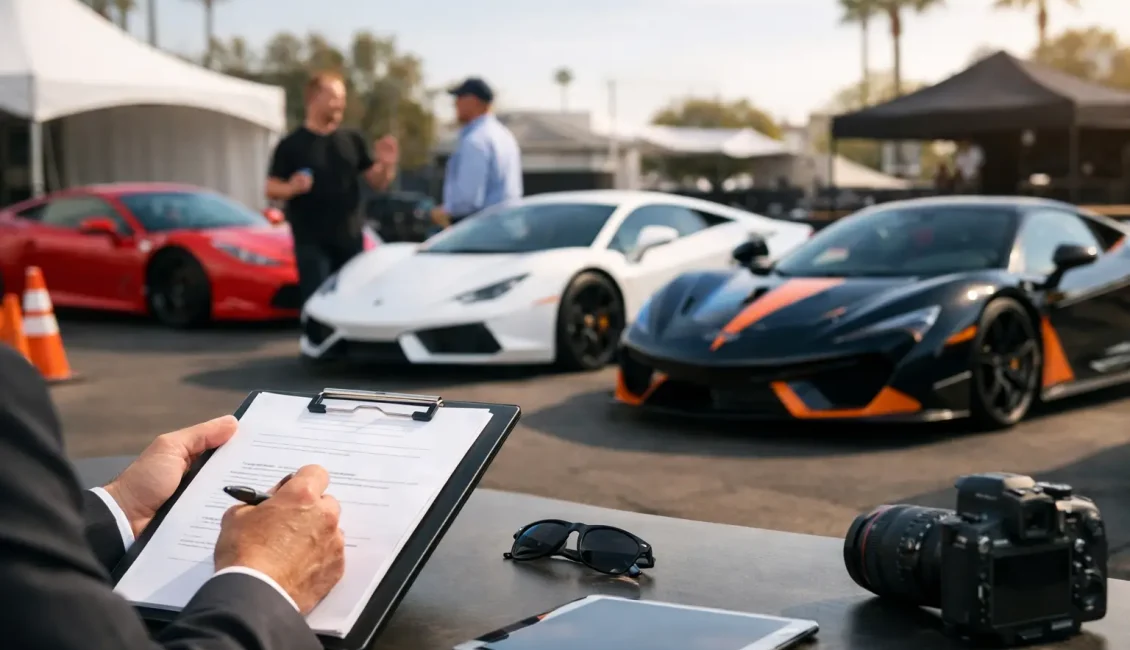
Then return to the cars that matter most to you. Supercar shows reward a closer look. Notice the details beyond the badge: carbon weave, brake hardware, period-correct wheels, hand-finished interiors, unusual paintwork and the engineering choices that make one model instantly recognisable. A row of similar cars can become far more interesting when you start comparing specifications and eras.
Be patient with photographs. Wait for people to move through rather than stepping into someone else’s shot, and avoid leaning on barriers, bodywork or display signs. If an owner is with their car and the moment feels right, a genuine question about the model can lead to a memorable conversation. Most enthusiasts are happy to share the story behind a special machine when approached with respect.
Do not spend the whole day chasing a perfect image, though. Put the mobile phone away for a few minutes. The noise, smell and scale of a supercar in person cannot be captured on a screen.
Plan a Supercar Show Day Around More Than One Car
It is easy to arrive with one dream car in mind, but the unexpected finds are often the best part of a show. Give time to the classics, modified builds, motorcycles, performance saloons and specialist traders around the main supercar attractions. The variety is what turns a short car park walk into a proper event experience.
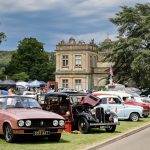
At a Great British Motor Shows event, that broad mix is part of the atmosphere. One minute you may be looking at a modern Italian flagship, the next hearing a restored British sports car start up or talking to a club member who has owned the same model for decades. That shared enthusiasm is the point.
If you have children with you, make the day interactive rather than treating it as a mileage challenge. Ask them to choose a favourite colour, spot the oldest car they can find or pick the engine sound they would take home. A few simple prompts keep younger visitors involved without turning the day into a checklist.
Bringing Your Own Car? Make Arrival Easy
If you are displaying, joining a club stand or simply attending in something special, prepare the car the day before. Check fuel, tyre pressures, fluid levels and your basic cleaning kit. A microfibre cloth, glass cleaner and a small bag for any rubbish are useful, particularly after a motorway run.
Read the exhibitor or club arrival instructions carefully. Display vehicles often need to enter earlier than general visitors, and arriving late can be disruptive once the show is set. Avoid turning up with an almost empty tank if you expect a long wait in traffic, and bring any pass or registration details requested by the organisers.
Once parked, be a good neighbour. Leave enough room for doors, respect marshal directions and keep revving to a minimum. A cold start may be music to some ears, but repeated blips beside families, dogs and other exhibitors soon lose their charm.
Finish With Time to Spare
The last hour can be ideal for revisiting a favourite display, picking up something from a trader or watching cars leave under their own power. It can also be the busiest moment on the exit roads, so there is a trade-off. Leaving a little before the rush may suit families and long-distance travellers; staying later may reward you with a quieter final look around.
Before heading home, take a moment to check your vehicle, collect all belongings and choose your route out. If you have had a brilliant conversation with an owner, found a car club to follow or finally seen a long-time favourite in the metal, the day has done its job. Arrive prepared, stay curious and leave enough space in the schedule for the cars that were never part of the original plan.