One thing is clear from the latest event calendar – motor show trends 2026 are not pointing towards quieter, smaller or more passive days out. If anything, the opposite is happening. The strongest shows are becoming more immersive, more varied and more experience-led, because enthusiasts now expect more than rows of parked metal, however special that metal may be.
That matters across the UK, where visitors are increasingly choosing events that offer atmosphere as well as machinery. A great venue still turns heads, but so does a packed display field, a lively trade area, strong club attendance and enough variety to keep everyone engaged from arrival to the final lap of the grounds. The best shows in 2026 will be the ones that understand that motoring culture is broad, social and always moving.
Motor show trends 2026 are becoming more experience-led
The old formula still has its place. People will always travel to see a beautifully restored classic, a rare supercar or a carefully built modified project in person. But spectators are no longer satisfied with simply walking past static displays for a few hours and heading home.
That is why live features are becoming central rather than optional. Demonstration areas, parade laps, start-up moments, club showcases and judged displays all give people a reason to stay longer. They create those little crowd-gathering moments that turn a good show into one people talk about afterwards.
There is a balance to strike, of course. Too much movement and noise can dilute the appeal for purists who want time to study details, speak to owners and appreciate craftsmanship. Too little and the event can feel flat. The sweet spot for 2026 is clear – enough live spectacle to build momentum, without losing the quality and accessibility of a proper enthusiast show.
Wider vehicle mixes will define the biggest events
A major shift in motor show trends 2026 is the move away from overly narrow line-ups. Specialist events still work well when they are done properly, especially for dedicated clubs and niche communities. But broader mixed-category shows are becoming even more attractive because they draw in families, collectors, casual enthusiasts and younger visitors all at once.
That means classic cars sitting comfortably alongside performance cars, bikes, modified builds, sports cars and prestige machinery. For visitors, that variety creates a better day out. For exhibitors and traders, it means a larger and more diverse audience. For organisers, it builds resilience – if one segment has a quieter year, another can still drive attendance.
This wider mix also reflects how enthusiasts actually enjoy motoring now. The lines are not as rigid as they once were. A visitor might admire a 1960s saloon, spend half an hour around a Japanese tuning display, and then head straight for a paddock of Italian supercars. That is not confused interest. It is modern enthusiasm.
Heritage still matters – but it needs energy around it
Classic vehicles remain one of the strongest draws in the UK market, particularly when paired with a standout venue. Heritage, craftsmanship and nostalgia are as powerful as ever, especially for audiences who want a proper day out rather than a quick browse through a retail-style exhibition hall.
What is changing is the way classics are presented. A simple field of polished cars is no longer enough on its own. Owners and organisers are putting more thought into storytelling, themed displays, period presentation and club-led curation. That gives visitors a richer experience and helps newer enthusiasts connect with older machinery.
Younger crowds, in particular, respond well when heritage is given context. They may not know every model designation or production year, but they will engage with the stories behind a build, a restoration or a marque’s significance. In 2026, the most effective classic displays will feel alive rather than purely archival.
Venues are becoming part of the attraction
One of the strongest motor show trends 2026 is the continued rise of destination venues. People want more than a car park and a burger van. They want a setting that feels worth the trip, whether that is a stately estate, an historic hall, a race circuit, a country park or a landmark regional site.
Venue quality shapes the whole mood of an event. It affects photography, visitor flow, trader appeal and the sense of occasion. It can also broaden the audience by appealing to partners and family members who may not be focused on the cars alone.
That said, a beautiful venue cannot cover for weak curation. If the displays are thin or the event lacks energy, the setting quickly becomes background. The strongest shows combine a memorable location with enough content to justify the day. That combination is where brands such as Great British Motor Shows are well placed, because the pairing of motoring culture and aspirational venues is already built into the format.
Better visitor comfort is no longer a bonus
The practical side of event planning is becoming far more visible. Visitors notice parking efficiency, queue times, signage, food options, toilet provision and clear layout. They may come for the cars, but they remember the logistics.
This is especially true for mixed audiences. Enthusiasts will tolerate a lot if the machinery is outstanding, but families and casual visitors are less forgiving. In 2026, successful events will continue to invest in comfort and convenience because friction reduces dwell time, repeat visits and word-of-mouth recommendations.
Clubs, communities and creators will have bigger roles
Car clubs have always been a backbone of strong live events, and that is not changing. If anything, their role is becoming more prominent as organisers look for authenticity and scale. A lively club presence gives a show depth, colour and personality that cannot be replicated through standalone entries alone.
The same is increasingly true of online communities and content creators. Social media has changed how people discover events, choose where to travel and decide which vehicles are worth seeking out. But the interesting part is this – digital culture has not replaced live attendance. It has made live attendance more valuable.
People see a build online and want to inspect it in person. They follow a club page and decide to attend because they know the turnout will be strong. They spot venue footage and realise the event offers more than a simple meet. For organisers, that means creator engagement should support the show rather than overwhelm it. The event still needs substance on the ground.
Enthusiast credibility matters more than polished marketing
Audiences can tell when a show has been built by people who genuinely understand the scene. They notice when the vehicle selection feels thoughtful, when clubs are welcomed properly and when the trade line-up suits the crowd rather than chasing generic footfall.
That does not mean every event has to be niche or technical. It means the curation needs to make sense. A broad, accessible show can still feel enthusiast-led if the categories are balanced, the standards are strong and the atmosphere feels authentic.
EVs will appear more often – but not in the way some expect
Electric vehicles will feature more prominently within motor show trends 2026, but probably not as a full takeover of traditional enthusiast events. In the UK live show space, the picture is more mixed.
There is growing interest in high-performance EVs, new technology displays and the engineering conversation around electrification. Some visitors are curious. Some are enthusiastic. Some remain unconvinced. A good organiser understands that all three groups may be in the same audience.
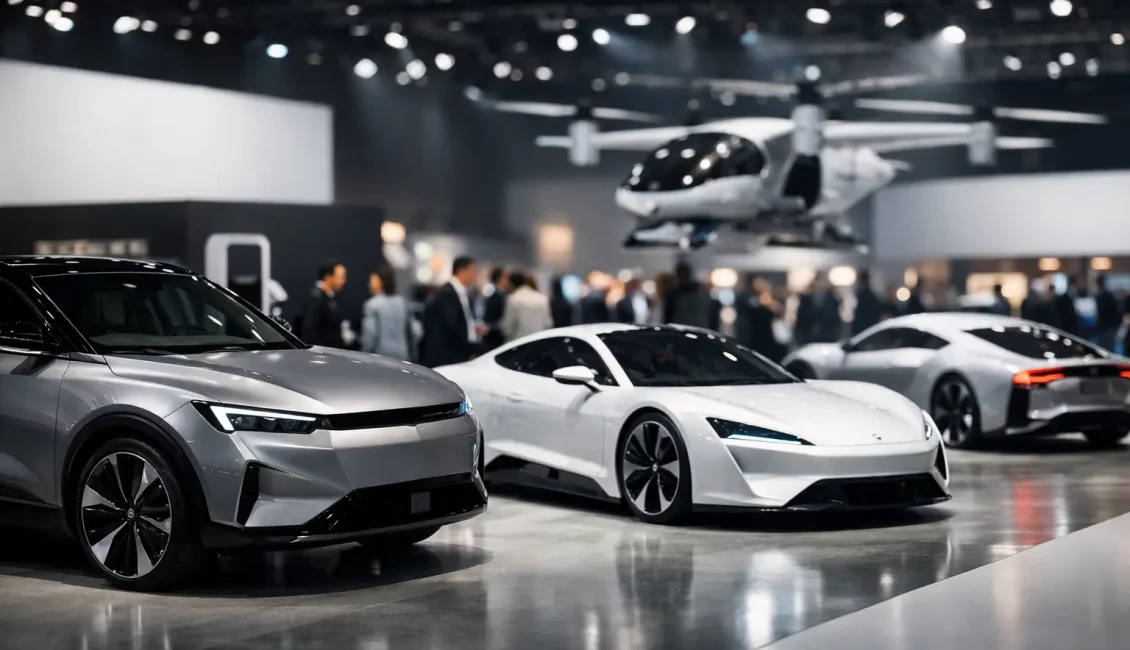
So the likely direction is integration rather than replacement. EVs can sit within broader showcases, particularly where innovation, performance or future mobility themes fit naturally. But classic, modified and petrol-powered performance cars are not disappearing from the live event landscape. The appetite to see, hear and discuss them remains extremely strong.
That tension will be one of the most interesting themes of 2026. The shows that handle it well will avoid false choices. They will present new technology without pushing aside the heritage and mechanical drama that draw so many people through the gate.
Traders and exhibitors will want stronger returns
For commercial event partners, footfall alone is no longer enough. Traders and exhibitors want audiences that are engaged, relevant and ready to spend. That is pushing organisers to think more carefully about layout, dwell zones, demonstration opportunities and category adjacency.
A trader selling detailing products, apparel, memorabilia or specialist parts benefits far more from a crowd that lingers and interacts than one that rushes through the grounds. The same applies to exhibitors bringing premium or unusual vehicles. Presentation and placement matter because they shape how long people stay and what they remember.
In practical terms, 2026 is likely to bring better curation of exhibitor areas and a sharper focus on experience over sheer volume. A packed field looks impressive, but if visitors cannot navigate it or engage with what is there, the effect is limited.
The biggest shows will feel like annual fixtures, not one-off outings
Perhaps the most important shift is this: successful events are building year-round relationships with their audiences. A motor show is no longer just a date in the diary. It is part of an ongoing community built through updates, announcements, launches, registrations and social content between show days.
That changes expectations. Visitors want to know what is new this year. Clubs want early reasons to commit. Traders want confidence in audience quality. Exhibitors want a platform that gives their vehicles proper visibility. Organisers who keep that momentum going between events are in a stronger position when ticket sales open and registrations begin.
For enthusiasts, that is good news. It means the best UK shows in 2026 should feel bigger, sharper and better tuned to what people actually want from a day out – quality vehicles, strong variety, a great atmosphere and enough action to make the trip worthwhile.
The next year of live motoring events will not be about abandoning tradition. It will be about giving that tradition more energy, broader appeal and a better stage. If you enjoy seeing great machinery where it belongs – out among fellow enthusiasts, in standout venues, with proper event buzz around it – 2026 is shaping up very nicely.