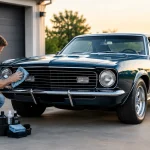

You have polished the paint, checked the tyres, packed the cleaning kit and circled the show date in the diary. Then comes the part that catches people out more often than it should – working out how to register exhibitor vehicles correctly, on time, and with the right details. Get that step right, and the rest of the show experience tends to run far more smoothly.
For display owners, clubs and first-time entrants alike, registration is not just admin. It is how event teams plan the vehicle mix, manage access, protect display standards and keep arrival morning moving. Whether you are bringing a concours-ready classic, a modified build, a performance car or a rare bike, the registration process is your route onto the showground.
How to register exhibitor vehicles without delays
The basic process is usually straightforward, but the details matter. Most events will ask you to complete an online exhibitor form with information about both you and the vehicle. That normally includes your contact details, registration number, make, model, year, and a short description of what makes the vehicle suitable for display.
This is where honesty helps. If your car is a project still mid-build, say so. If it is original, restored, modified or part of a club display, make that clear. Event organisers are not simply filling boxes – they are shaping a line-up that gives visitors variety and quality across the show field.
Photos are often part of the process too. A clean, recent image helps organisers judge whether the vehicle suits the event and category. It does not need to look like a studio shoot, but it should show the vehicle clearly. Dark, blurry snaps taken in a crowded car park can slow things down, especially if the event receives a high volume of applications.
Once the form is submitted, there may be a review period before approval. Some shows operate on a first-come, first-served basis. Others are curated more tightly and approve entries based on category balance, rarity, condition or display relevance. That means registering early is smart, but early entry does not always guarantee acceptance if a class is already full.
What organisers usually need from exhibitors
If you want to know how to register exhibitor vehicles with the least hassle, start by gathering everything before you open the form. Most problems come from missing information, not difficult systems.
At minimum, expect to provide the vehicle registration, ownership details and key specification points. If the event includes themed areas, such as classic saloons, supercars, custom bikes or performance icons, you may also be asked to select the most appropriate category. Choose that carefully. Placing a heavily modified vehicle into the wrong class can create confusion later.
Some organisers also ask for insurance or roadworthiness details, particularly if the vehicle must be driven onto site under its own power. That does not mean every show demands extensive paperwork, but you should assume the car or bike must arrive in safe, presentable condition. A display pass is not a free-for-all. It is permission to take part in a public event with shared standards.
If you are part of a club stand, the process may be slightly different. In that case, the club organiser might handle the main booking and ask each member for individual vehicle details afterwards. It is worth checking who is responsible for what. Plenty of exhibitors assume the club has registered them, only to discover their name is missing at the gate.
Why vehicle approval is not always instant
From the exhibitor side, waiting for confirmation can feel frustrating. From the organiser side, there is usually a reason for it. A good show is not built by accepting every entry as it lands. It takes planning to create the right mix of eras, marques and styles.
If one event receives fifty hot hatches and only three pre-war classics, the team may need to make choices. The same goes for duplicate models, unfinished projects or vehicles that do not match the character of the venue. A stately home setting might suit heritage metal and prestige cars more naturally than a stripped-out drift build, although it depends entirely on the event brief.
That is why reading the exhibitor criteria matters. Not every motor show is trying to be everything to everyone. Some celebrate breadth, while others lean into a sharper theme. If your vehicle suits the event, the registration process feels much easier because you are aligning with what the organisers already want to showcase.
Common mistakes that slow registration down
The most common error is rushing through the form and assuming the small details do not matter. They do. A wrong registration number, missing photo, incomplete model description or outdated contact email can all hold things up.
Another frequent issue is entering a vehicle before it is genuinely ready. Enthusiasts are optimistic by nature, especially when a fresh rebuild or upgrade is underway. But if the car is still off the road, missing trim or unlikely to be finished by the event date, registering too early can create avoidable problems. There is nothing wrong with ambition, but be realistic.
Late applications are another obvious stumbling block. Popular shows fill up. Premium display areas fill up even faster. If you are aiming for a summer event at a major venue, leaving it until the week before is a gamble. Even if space remains, late entries can mean less flexibility on placement, arrival timing or vehicle category.
It is also worth checking whether the event distinguishes between exhibitor vehicles and general visitor parking. They are not the same thing. Turning up with a standard ticket and expecting access to the display paddock rarely ends well. If you want the vehicle on show, make sure you have explicit exhibitor approval.
Preparing for the day after registration
Once approved, keep an eye on your inbox. Event teams usually send joining instructions closer to the show date, and those details are just as important as the registration itself. Arrival windows, gate access, vehicle passes and on-site rules can vary from venue to venue.
Historic estates, showgrounds and parkland sites all work differently. Some have strict movement cut-off times once the public arrives. Others have specific exhibitor entrances or queueing areas. Read the instructions properly. A spectacular car does not help much if it is in the wrong lane at seven in the morning.
Print anything that needs printing and save digital copies as backup. If your pass includes a dashboard display, use it. If the organisers ask for wristband collection, know where to go before you set off. This is the part where smooth exhibitors stand out – not because they are flashy, but because they are ready.
Presentation matters too. Registration secures your place, but showing well is what completes the job. Arrive clean, bring basic detailing supplies and think about how the vehicle will sit among others. If you have a display board, history sheet or club materials, all the better. Visitors appreciate context, especially when the vehicle has a story behind it.
First-time exhibitors versus seasoned regulars
If it is your first display event, do not overthink it. The process can seem more intimidating than it is, especially when forms ask for specs, categories and photos. In reality, organisers want good vehicles, clear communication and people who will turn up as expected.
Regular exhibitors tend to move faster because they know what to prepare in advance. They have suitable photos ready, understand how categories work and register early because they know the best events attract strong demand. That does not mean newcomers are at a disadvantage. It simply means a bit of preparation goes a long way.
For those showing multiple vehicles, the key is not to assume one approval covers all entries. Each car or bike may need separate details, especially if display space is limited. If you are managing several registrations at once, keep your records tidy. It saves confusion later when passes start arriving.
Great British Motor Shows audiences appreciate variety, quality and proper event atmosphere, so exhibitor registration is always about more than headcount. It is about building a show field worth arriving early for.
The best approach if you want a smooth approval
Treat registration as part of the display experience, not a box to tick at the last minute. Send accurate details, use strong photos, choose the right category and apply while spaces are still open. If anything is unclear, read the event information again before submitting. Most answers are there if you slow down and check.
There is always a balance between enthusiasm and practicality. Some events are broad and welcoming, others are selective. Some accept almost any well-presented enthusiast vehicle, others curate tightly around era, style or prestige. Knowing which kind of event you are entering is half the battle.
A well-registered exhibitor vehicle starts the day before the engine fires up. Handle the paperwork with the same care you give the machine, and you put yourself in the best possible position to enjoy the show, represent your pride and joy properly, and be part of a display people remember long after the gates close.