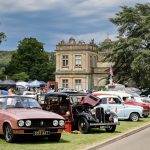

A strong club stand is never just a row of polished cars on grass. The best classic car club stand examples feel like a proper feature within the show – something visitors stop for, photograph, talk about and remember on the drive home. They give each car context, show off the personality of the club, and make it easy for new members to picture themselves getting involved.
That matters more than ever at live events. With so many impressive vehicles on display, clubs that create a clear identity tend to draw better footfall, spark more conversations and leave a stronger impression with both organisers and visitors. It does not mean spending a fortune. Usually, it means having a sharper idea and presenting it well.
What makes classic car club stand examples work?
The standout displays usually get three things right. First, they have a theme that ties the cars together. Second, they think about layout rather than simply parking up. Third, they add enough detail to turn a static display into a story.
A theme does not have to be dramatic. It might be model evolution, local motoring history, period motorsport, unrestored survivors, convertibles through the decades or British saloons by colour and era. The point is to give visitors an immediate reason to engage. If someone can understand the idea in five seconds, you are on the right track.
Layout is where many clubs either shine or drift into the background. A neat arc, a central focal point, a welcoming frontage and space to walk around the cars all make a difference. If the stand feels open and intentional, people are far more likely to step in rather than glance from a distance.
Then there is interpretation. A small information board, a period prop, a club banner or a simple timeline can lift a display from good to memorable. Too much signage can feel cluttered, but too little leaves visitors guessing.
10 classic car club stand examples that draw a crowd
1. The single-marque timeline
This is one of the most reliable ideas because it is clear at a glance. A club displays the same marque or model family across different decades, showing styling changes, engineering updates and shifts in motoring taste. Think early Morris Minors beside later examples, or a line of MGs that moves from chrome bumper charm to later rubber bumper practicality.
It works because visitors can compare cars side by side without needing specialist knowledge. It also gives club members a natural talking point. The trade-off is that you need the right mix of vehicles to make the story obvious, so planning ahead matters.
2. The restoration journey stand
Not every show car has to be concours. Some of the most engaging stands include a project car, a freshly completed restoration and a well-used example that has been enjoyed for years. That contrast gives the club credibility and makes the hobby feel accessible.
For visitors considering ownership, this type of stand is especially effective. It shows the reality as well as the reward. The key is presentation – unfinished cars still need to be displayed tidily, with clear notes explaining what visitors are looking at.
3. Period-perfect lifestyle display
This approach leans into atmosphere. Cars are presented with era-correct accessories, luggage, picnic sets, garage items, dealer plates or display boards that reflect the period they came from. Done well, it feels immersive without becoming theatrical.
This style suits events held at heritage venues particularly well, where the surroundings already add character. The caution here is restraint. A few carefully chosen props look polished. Too many can make the stand feel more like a jumble sale than a motoring display.
4. The motorsport heritage stand
If your club has racing, rallying or hill climb links, use them. Competition history adds instant energy to a classic display, whether that means replicas of famous liveries, genuine ex-race machinery or road cars shown alongside competition-inspired versions.
This format works because it combines heritage with performance. Even casual visitors respond to a good motorsport story. If original competition history is limited, honesty matters. A tribute car can still be brilliant, but it should be labelled as such.
5. The local history stand
Some of the strongest classic car club stand examples are rooted in place. A club might showcase vehicles built in the region, cars sold through a notable local dealership, or members’ cars photographed at recognisable landmarks from the area.
This gives the display a connection to the venue and the audience. People love spotting local relevance, especially at regional shows where community still counts for a lot. It is not the flashiest idea, but it often creates better conversations than a purely polished line-up.
6. The survivor class stand
A stand made up of original, unrestored or lightly preserved cars can be a real crowd-puller. Patina, worn trim and period details tell their own story, and many enthusiasts now value authenticity as much as immaculate paint.
The appeal here is honesty. These cars show how machines age and endure. It also gives visitors something different from the usual high-gloss finish. The challenge is that survivor cars need context, otherwise some people may simply assume they are unfinished or neglected.
7. The colour-coordinated display
This sounds simple, but it can be very effective. A club arranges cars by colour family, perhaps all in period shades, or creates a visual sweep from light to dark. On social media and in event photography, this sort of stand often looks fantastic.
The obvious strength is visual impact. The weakness is that colour alone is not much of a story, so it works best when paired with another idea such as era, model development or coachwork style.
8. The rare variants showcase
Every club has the members who own the unusual one – the limited-run edition, the coachbuilt body, the export model, the odd engine combination or the little-known estate that barely survives today. Bringing those together can create a genuine feature stand.
This format rewards the serious enthusiast while still attracting general visitors who enjoy seeing something unfamiliar. Just make sure the rarity is explained clearly. If people do not know what makes a car special, they may walk past without realising what they are looking at.
9. The family-friendly club stand
Not every display needs to be aimed solely at marque experts. A family-friendly stand might include approachable member stories, simple vehicle facts, a light interactive element or a display theme based on holidays, everyday motoring or first cars.
This can be very effective at larger public events, where a big share of the audience wants a great day out rather than a technical seminar. The trick is not to water the stand down. Keep the cars central, but make the display easy to enjoy for everyone.
10. The best-of-the-club feature stand
Sometimes the right answer is straightforward: gather your strongest cars, present them properly and make the stand feel premium. If the club has depth of quality, a clean feature layout with excellent spacing, matching signage and a clear club identity can be enough.
This works especially well when the event already offers plenty of variety and your job is to deliver a high standard within your own niche. It depends on the cars, though. Without a unifying idea or exceptional presentation, a best-of stand can end up looking like a nice parking area rather than a curated display.
How to build a stand people actually remember
The clubs that consistently impress usually think beyond the entry form. They ask what the stand should say before deciding which cars to bring. That shift in mindset changes everything.
Start with one clear idea and test it against your available vehicles. If the theme is too broad, tighten it. If it is too narrow, make sure you have enough cars to carry it. A five-car stand can be brilliant if the idea is strong, while a fifteen-car stand can feel flat if there is no cohesion.
After that, think about arrival and sightlines. What do visitors see first? Is there a focal point? Can they move around easily? Is there a natural place for members to stand and chat without blocking the cars? These details sound small, but they shape the whole experience.
Presentation should also reflect the type of event. At a large outdoor motor show with broad public appeal, a display needs immediate visual impact. At a more specialist gathering, detailed information may matter more. It depends on the audience, the venue and the space you have been allocated.
There is also a balance to strike between club hospitality and public engagement. Seating, gazebos and refreshments are useful for members, especially over a full day, but if they dominate the front of the stand, visitors can feel as though they are intruding. The most welcoming stands keep the social side slightly behind the main display.
Why the best stands help clubs grow
A good display does more than look sharp for a weekend. It helps a club recruit, builds pride among members and shows event organisers that the club understands how to contribute to the wider show. That is valuable whether you are applying for prime space, returning next season or simply trying to raise your profile.
At a well-attended event, your stand is not just representing the cars. It is representing the culture around them – the knowledge, the camaraderie and the effort that keeps classic motoring alive. That is why the best stands tend to feel generous. They invite people in, answer questions and make ownership seem possible rather than exclusive.
For clubs planning their next outing, the smartest move is usually not to ask how to bring more cars. Ask how to create a better story with the cars you already have. At shows where atmosphere, quality and presentation count, that is often what turns a decent stand into one people talk about long after the gates close.