You’ve polished the paint, packed the detailing kit, and started picturing your pride and joy parked on the show field. The next question is the one that matters – what vehicles qualify for display? The short answer is more than many owners expect, but not every vehicle is right for every event. A proper motor show is curated, and that is exactly what makes the line-up worth seeing.
At enthusiast-led events, display space is not just a car park with better scenery. Organisers want variety, quality, character, and a mix that gives visitors something memorable from the moment they walk through the gates. That means eligibility often comes down to the type of vehicle, its condition, its rarity, its story, and how well it suits the event itself.
What vehicles qualify for display at a motor show?
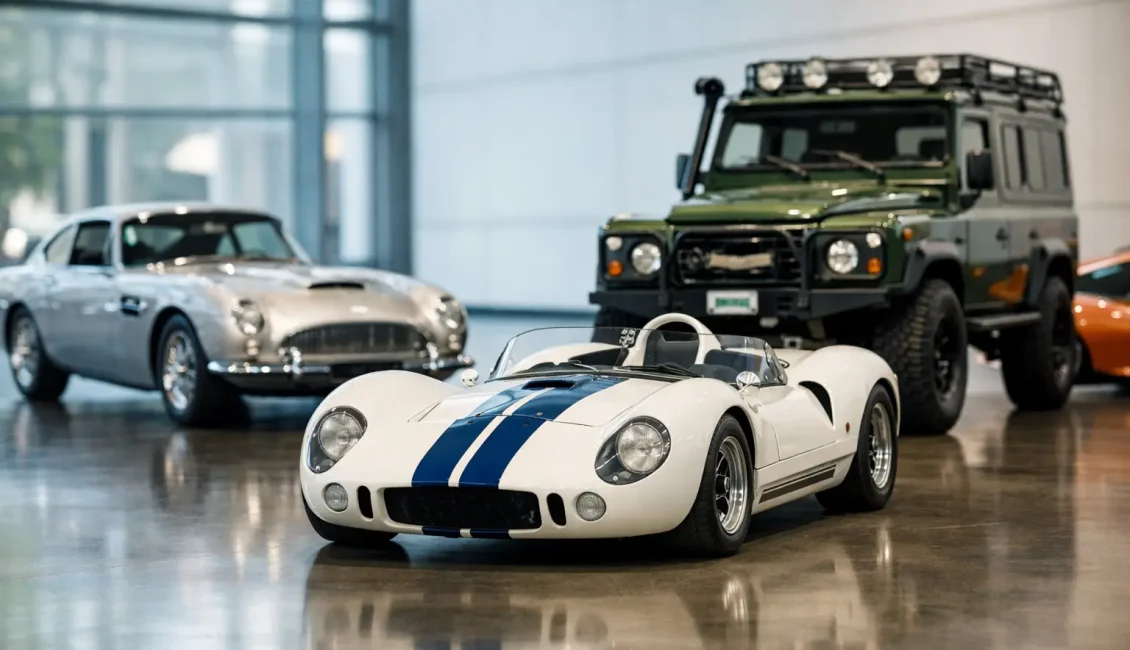
In broad terms, vehicles that qualify for display usually fall into recognised enthusiast categories. Classic cars are the obvious starting point, but they are far from the only option. Motorcycles, modified cars, performance models, sports cars, supercars, retro favourites, military vehicles, American cars, hot rods, customs, and standout modern machines can all be welcomed depending on the show.
The key point is that display acceptance is normally selective rather than automatic. A 1960s British saloon in lovely original condition may be perfect for one venue, while a sharply presented modified hatchback or a rare modern performance car may be a stronger fit for another. It depends on the event brief, the venue, and the balance organisers are trying to create.
The main types of vehicles that usually qualify for display
Classic and vintage vehicles
Classic vehicles remain at the heart of many shows because they bring heritage, craftsmanship, and plenty of conversation. This can include pre-war cars, post-war British icons, 1980s and 1990s modern classics, and properly preserved everyday models that now carry real nostalgia. A vehicle does not always need six-figure value to earn its place. Often, originality, history, and honest presentation matter more than prestige.
Vintage vehicles tend to appeal strongly at heritage venues, where the setting adds another layer to the day. If your car or bike has period charm and is well cared for, it may be exactly what an organiser wants.
Modified and customised builds
Modified vehicles often draw a big crowd because they show personality as much as engineering. That can mean anything from subtle OEM+ styling to wide-body builds, show-and-shine paintwork, track-inspired setups, custom interiors, air ride, engine swaps, and one-off fabrication.
What matters here is quality and intent. A thoughtfully built car with clear attention to detail will usually stand a far better chance than something unfinished or poorly presented. Modified does not have to mean extreme, but it should feel deliberate.
Performance, sports cars and supercars
Performance machinery gives a show energy. Fast Fords, M cars, AMGs, RS models, Lotus, Porsche, Ferrari, Lamborghini, TVR, Nissan GT-Rs and many more can all fit the bill if the event includes that category.
That said, not every fast car is automatically a display car. Organisers may look for standout examples, rare specifications, club representation, or a particularly strong condition standard. A performance badge alone is not always enough if the field is already full.
Motorcycles and specialist two-wheelers
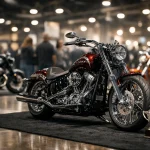
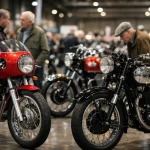
Bike displays can be just as strong as car displays when they are curated properly. Classic motorcycles, café racers, customs, sports bikes, touring bikes and rare marque examples all have a place at the right event. The same principles apply – condition, interest, and suitability matter.
A well-presented motorcycle can be a real crowd favourite because visitors can get close and appreciate the detail. If the show welcomes bikes, there is often healthy demand for variety across different eras and styles.
Club displays and group entries
Some of the best show sections come from owners’ clubs. Club stands bring consistency, shared enthusiasm, and a stronger visual impact than isolated single entries. They can also help organisers represent a wider spread of marques and categories without relying only on individual applications.
If your vehicle is part of a club display, qualification may be handled slightly differently. The club organiser might secure an allocation, and individual vehicle selection may depend on theme, space, and whether your vehicle helps round out the stand.
What organisers usually look at before approving a display vehicle
Condition is the first thing many owners think about, and rightly so. A display vehicle should be clean, presentable, and clearly cared for. That does not mean concours perfection is required at every event. Plenty of visitors love usable classics, survivor cars, and honest machines with a bit of patina. The difference is that they still need to look like display vehicles rather than daily runabouts parked by chance.
Rarity and interest also count for a lot. If your vehicle is unusual, exceptionally original, newly restored, historically significant, or simply something visitors do not often see in one place, that can strengthen your application. Organisers are building a day out, not just filling square footage.
Suitability for the event matters just as much as quality. A brilliant car can still be the wrong fit. A heritage-focused show may favour classics and period-correct machines, while a more contemporary performance event may lean towards modified, prestige and high-impact vehicles. Reading the event description properly can save everyone time.
Presentation goes beyond the vehicle itself. Owners who arrive on time, follow display instructions, and take pride in being part of the event experience are always valued. Good shows rely on exhibitors who understand that they are part of the attraction.
What might stop a vehicle from qualifying?
The biggest issue is often not the vehicle category but the standard of presentation. Cars and bikes that are dirty, damaged, incomplete, or clearly not ready for public display may be declined. There is a difference between a project with character and a vehicle that simply is not show-ready yet.
Another common reason is duplication. If an event already has a strong number of similar entries, organisers may need to prioritise variety. That can be frustrating if your car is a popular enthusiast model, but curation is what keeps the show fresh for visitors.
There can also be practical restrictions. Low vehicles may struggle on certain grounds, oversized vehicles may not suit a display area, and some venues have access or movement limitations. Insurance, road legality, and safety expectations may also come into play depending on the event format.
How to improve your chances of being accepted
A strong application helps. Good photos make a genuine difference, especially if they clearly show the vehicle’s condition, stance, interior, and any standout features. Dim driveway pictures taken in the rain rarely do a car justice.
Be specific about what makes your vehicle worth displaying. If it has a rare engine, a notable restoration story, a period motorsport connection, a unique specification, or award-winning show history, say so. This is not boasting – it helps organisers understand where your vehicle fits.
It is also worth being realistic about the event. If your vehicle is heavily modified, apply for events that actively welcome that scene. If you own a well-preserved classic, target events where heritage and nostalgia are central to the visitor experience. Matching the right vehicle to the right show is half the battle.
For owners looking at a Great British Motor Shows event, the broad category mix is one of the main attractions. Classics sit comfortably alongside bikes, performance cars, modified builds and prestige machinery, which gives enthusiasts a better chance of finding the right home for their vehicle.
What vehicles qualify for display if yours is unusual?
Sometimes the most common question comes from owners whose vehicles sit between categories. Maybe it is a future classic that is not quite old enough for traditional classic status. Maybe it is a sympathetic restomod, a rare import, an ex-military machine, or a modern car with exceptional provenance.
In those cases, the answer is usually simple – if it adds something interesting to the event and is presented to a good standard, it may well qualify. Unusual vehicles can be exactly what lifts a display from good to unforgettable. Organisers often appreciate entries that break up the predictable run of familiar models.
If you are unsure, the best approach is to apply honestly and show the vehicle properly. Let the photos and the details do the work. A niche vehicle with a proper story often has more appeal than an ordinary example of a more famous model.
The best display fields are not built on one narrow definition of worthiness. They come together through variety, quality, and shared enthusiasm. If your vehicle has presence, character, and the right fit for the event, there is every chance it belongs on the showground – and if you are still on the fence, it is usually worth putting your name in and letting the car or bike speak for itself.