Some shows are worth a few hours. A destination motor show weekend is worth clearing the diary for.
That is the difference people feel the moment they arrive at a proper venue-led event. You are not just turning up to look at cars in a field and head home by mid-afternoon. You are stepping into a full motoring atmosphere where the setting matters, the line-up matters, and the whole weekend carries more energy because people have travelled with purpose to be there.
What makes a destination motor show weekend different?
At its best, a destination motor show weekend combines three things that ordinary meets often cannot. It brings together an impressive range of vehicles, a venue with real character, and enough going on around the displays to make the trip feel like an experience rather than a stop-off.
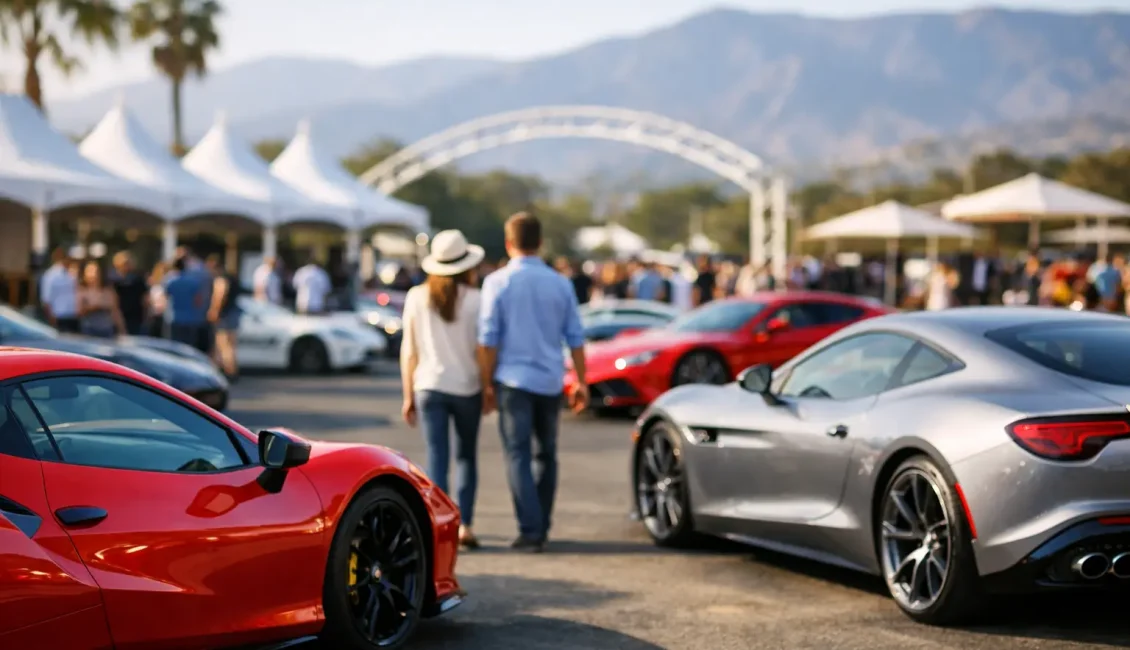
That matters whether you are into classic saloons, polished show cars, high-powered performance machinery, bikes, supercars or carefully built modified projects. The strongest events are not built around one narrow corner of car culture. They create a broader day out where different scenes sit alongside each other, which keeps the showground moving and gives visitors more reasons to stay longer.
The venue is a major part of that. A heritage estate, a landmark hall or a well-known park instantly changes the tone of an event. The cars look better, the photography improves, and the whole day feels more substantial. For exhibitors and clubs, that backdrop raises the standard. For visitors, it gives the event the kind of pull that justifies an early start, an overnight stay or a full weekend plan.
The appeal of the destination motor show weekend
A strong destination event taps into something enthusiasts already know. Motoring has never been just about transport. It is about machinery, design, engineering, noise, memory and the people you meet around it.
When a show is built as a destination, all of that becomes more visible. You see owners who have travelled serious distance because the event feels important enough to make the effort. You get club displays that feel properly turned out. Traders arrive ready to do real business. Families settle in for the day rather than rushing round. The atmosphere becomes fuller because people have committed to it.
There is also a practical advantage. A venue that can support a bigger, better organised event usually means easier parking, clearer layout, stronger facilities and more room for clubs, traders and feature displays. That does not guarantee perfection – busy events can still mean queues, and weather can always play its part – but the overall experience tends to feel more polished.
For many visitors, that is the real sweet spot. You still get the friendliness and accessibility of a regional motoring event, but with a stronger sense of occasion.
Why venue-led shows keep growing
There is a reason venue-led events have become such a draw across the UK. People want more than a standard day out, especially when they are travelling, buying tickets in advance and bringing others with them.
A destination venue adds confidence. It tells visitors this is likely to be a proper event, not a sparse line-up spread too thinly across a generic site. It also helps broaden the audience. A dedicated enthusiast may come for the classic Fords, the Italian exotica or the performance cars, while their partner or family enjoys the grounds, the setting and the wider event atmosphere.
That wider appeal matters. It helps motor shows welcome hardcore collectors, club members, casual enthusiasts and first-time visitors without watering down the product. In fact, when it is done well, it often sharpens the appeal. Bigger footfall supports more traders, stronger displays and better event momentum.
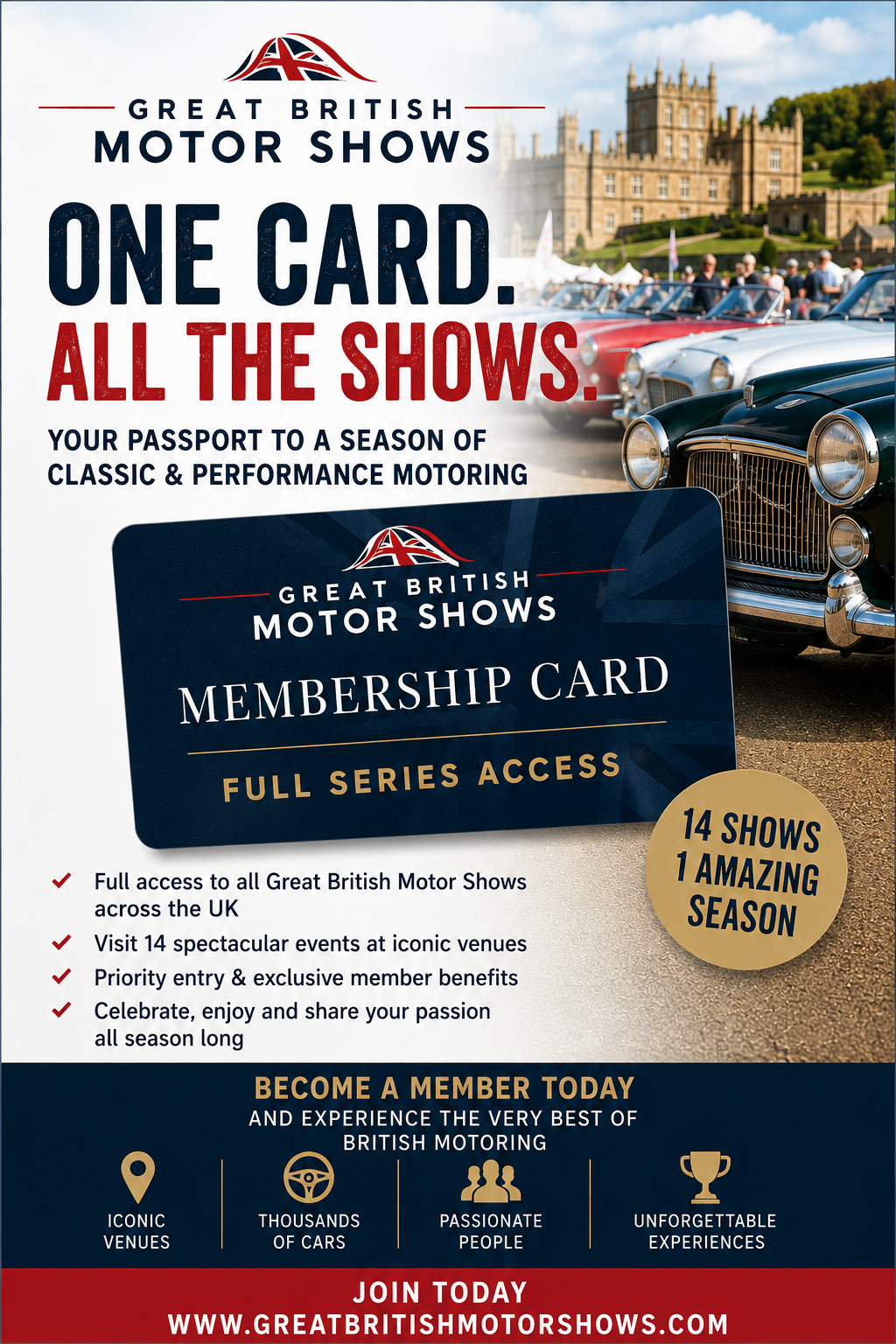
For brands like Great British Motor Shows, that approach makes sense because it reflects how people actually enjoy live motoring events. They want quality vehicles, yes, but they also want a memorable location, variety across the showground and enough activity to make the journey worthwhile.
It is not only about the cars – but the cars still lead
The phrase destination event can sometimes sound as though the motoring itself is secondary. It should not be.
The best weekends still put the vehicles first. If the display quality is weak, the venue alone cannot rescue the event. Enthusiasts will always notice when the line-up lacks depth or when categories feel underrepresented. A beautiful estate is a bonus, not a substitute.
What works best is balance. You want standout classics that stop people in their tracks, modified builds with real individuality, bikes that draw a crowd, and enough performance and prestige machinery to keep the pace high. You also want those cars and bikes presented in a way that feels curated rather than random.
That is why clubs and exhibitors are so important. They bring stories, knowledge and pride into the showground. They turn static displays into conversations. A visitor might arrive expecting to spend most of the day with sports cars and leave talking about a rare restoration, a period-correct motorcycle or a beautifully presented club stand they had not planned to seek out.
Planning the weekend changes the whole experience
One reason a destination motor show weekend works so well is simple: people approach it differently.
Instead of squeezing a show into a spare afternoon, they build around it. They set off early, arrange to meet fellow enthusiasts, choose where to eat, decide which cameras to bring and, in some cases, make a short break of it. That creates anticipation before the gates even open.
For exhibitors, the difference is just as clear. A destination event often feels worth the preparation time. Cars get detailed more carefully. Club stands are arranged with more thought. Traders arrive expecting stronger engagement. The standard across the site lifts because everyone knows the event has weight.
For visitors, that means more to see and more reason to stay. Instead of doing one quick lap and heading home, they can settle into the rhythm of the day. They spend time chatting with owners, browsing trader areas, comparing builds, taking in the venue and catching the details they would miss at a smaller or more hurried event.
Who gets the most from this kind of event?
The short answer is almost everyone, but for different reasons.
Collectors and long-time enthusiasts enjoy the quality of machinery and the chance to see varied categories in one place. Club members value the turnout, the social side and the profile a strong venue gives their display. Families like the fact that it feels like a full day out rather than a niche gathering. Traders and exhibitors benefit from an audience that has chosen to be there, not one passing through by accident.
That said, there are trade-offs. If you prefer tiny meets where you can inspect every car in an hour and know half the owners by name, a larger destination show can feel less intimate. If you only care about one very specific vehicle type, the broader format might include sections you pass by quickly. But for most people, that variety is exactly the point. It gives the event scale, energy and discovery.
What to look for before you book
Not every event marketed as a big weekend out delivers the same standard. The strongest signs are usually clear before the gates open.
Look at the venue first. A recognisable site with room, character and proven event appeal is a strong start. Then consider the range of vehicle categories. Good destination shows tend to welcome classics, modern performance cars, bikes, modified vehicles, supercars and club displays rather than relying on one feature to carry the day.
It is also worth checking whether the event feels built for participation as well as spectators. A healthy mix of visitor interest, exhibitor registration, trader presence and club involvement usually leads to a livelier, better balanced showground. When all four are working together, the event has substance.
Finally, pay attention to timing. A weekend show at the right point in the season can become part of a bigger plan – a road trip, a club run, a local stay or a catch-up with mates who share the same interests. That is when a show moves beyond the ticket itself and becomes something people talk about long after they have gone home.
The real value is in the atmosphere
Anyone can list vehicle categories, venue features and trader pitches. What brings people back is atmosphere.
It is the sound of owners discussing builds beside spotless display cars. It is seeing a line of classics against a grand backdrop that suits them perfectly. It is the mix of nostalgia, craftsmanship and spectacle that only really lands when people gather in person. Digital content keeps interest alive between events, but it cannot replace that feeling.
A destination motor show weekend gives that atmosphere room to build. It creates a sense of occasion without shutting out the everyday enthusiast. You do not need to own a concours winner or a supercar to enjoy it. You just need an interest in good machinery and a bit of appetite for a proper day out.
If you are choosing where to spend your next motoring weekend, choose the event that gives the cars the setting they deserve and gives you a reason to stay longer than planned.