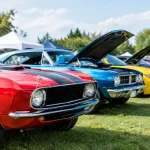

A strong club stand can stop visitors in their tracks. Whether it is a neat line of beautifully restored classics, a row of modern performance machines or an eclectic mix of bikes and modified builds, the best displays add real character to a motor show. But great displays start well before show day. Understanding club booking requirements gives your members the best chance of securing a pitch, arriving prepared and putting on a display the public will remember.
For club organisers, the job is part admin, part logistics and part enthusiasm. Get the foundations right and the day can feel like a brilliant social run out with hundreds of fellow enthusiasts. Leave the details too late and even the best club can face avoidable issues with space, vehicle entry or member passes.
Club booking requirements: what organisers need
Most event organisers ask for the same core information when a club applies for space. They need to know who is responsible for the booking, how many vehicles are expected and what sort of display the club intends to bring. This helps them plan the site layout, manage vehicle movement and create a balanced show with plenty for visitors to enjoy.
Start with a named club contact who can make decisions and respond promptly. This person should provide a working email address and mobile number, especially for use on the event weekend. The organiser needs one reliable point of contact rather than separate messages from every individual member.
You will normally be asked for the club name, a short description and an estimated vehicle count. Be realistic. Booking space for 20 cars when only eight are likely to attend creates empty gaps in a display area that another club or exhibitor could have used. Equally, underestimating demand can leave members disappointed when they cannot be accommodated.
A brief description of the vehicles is useful too. State whether your group represents a particular marque, era, model range, motorcycle scene or style of build. A club displaying pre-war saloons has different space and access needs from a group of lowered modern hatchbacks, American muscle cars or large touring motorcycles. Detail helps organisers position displays in the right part of the showground.
Check the entry conditions before you apply
Every show has its own eligibility rules. Some welcome all enthusiast clubs; others have a defined vehicle theme, age cut-off or display standard. Read the event information before collecting names and taking payments from members. It is far easier to set clear expectations at the beginning than explain later that a vehicle does not meet a particular event’s criteria.
Many shows also require every display vehicle to be pre-booked. A club pitch is not always an automatic pass for any member who turns up on the morning. The booking process may involve vehicle registration numbers, make, model and year, plus the driver’s details. These records support gate management and help event teams identify expected arrivals.
Ask whether club vehicles need to arrive together, whether entry is available only during a set time and whether late arrivals can be admitted. Heritage venues often have narrow access roads, carefully managed grounds and limited space for manoeuvring. Following the arrival plan keeps the show safe and protects the experience for everyone.
Build a club display worth the early start
A club booking is more than a parking allocation. It is an opportunity to represent the people, machines and stories behind your scene. The most effective stands look considered without becoming fussy. Clean cars and bikes, a clear club banner and friendly members who are happy to talk are usually enough to create a display that feels welcoming.
Think about the mix of vehicles you bring. Ten examples of the same model can look fantastic when the quality is high, but variety often makes a display more interesting. Different generations, colours, specifications and stages of restoration give visitors reasons to linger. If your club covers a broad marque or model family, choose a selection that shows its full character.
It is also worth confirming whether flags, gazebos, display boards or club merchandise are permitted. Some venues restrict ground stakes, amplified music, generators or large structures. Others may ask you to keep a clear route through the display or limit the size of a gazebo. A quick check prevents a well-intended extra becoming a problem at the gate.
For outdoor events, prepare for proper British weather. Members should bring suitable clothing, drinking water, sun protection and a way to keep small display materials dry. A vehicle cover can be useful for overnight stays where allowed, but it should be secured safely and removed before public opening. Presentation matters, yet safety and consideration for neighbouring displays matter more.
Tickets, passes and member communication
Club booking requirements often include a mix of vehicle passes and admission tickets. Do not assume they are the same thing. In some cases, a display vehicle booking includes entry for a driver and passenger; in others, each attendee needs a separate ticket. Children, additional passengers and club helpers may have different arrangements.
The club lead should put this information into one simple message for members. Include the booking deadline, cost, what is included, arrival window, vehicle rules and what each member must do personally. A short, clear briefing reduces last-minute questions and means nobody is left at home because they missed a registration step.
Collect firm commitments before submitting final numbers. A waiting list is useful if the club has more interest than allocated spaces, particularly when cancellations are likely. If a member can no longer attend, tell the organiser as soon as possible. Some events can reallocate the space or update vehicle details, but changes may not be possible close to the show date.
Keep your own record of confirmed members, registrations and contact numbers. On a busy morning, this is far more practical than searching through a long social media thread. It also allows you to spot missing details early, such as a vehicle registration that has not been supplied or a ticket that has not been purchased.
Respect the site and the show schedule
The best club displays make the event team’s job easier. That means arriving within the instructed time, following marshals’ directions and staying in place until the stated departure window. Early departure can create gaps during public opening and may be unsafe if visitors are still moving around the site.
Make sure every member understands the on-site rules. These commonly cover low-speed driving, no unnecessary engine revving, no vehicle movement during public hours, careful use of litter bins and respect for historic grounds. If a car has a known fluid leak, it may need a drip tray. If it is particularly low, wide or loud, plan the journey and entry route with that in mind.
Clubs should also consider accessibility. Leave room for visitors to view vehicles without blocking pathways, and avoid creating a closed circle that feels uninviting. A friendly face at the front of the stand can turn a quick look into a proper conversation about restoration, motorsport history or the long search for that rare part.
Traders and fundraising need separate approval
A club may want to sell T-shirts, parts, raffle tickets or refreshments to support its activities. Do not assume this is covered by a display booking. Trading, catering and fundraising can involve separate permissions, insurance requirements and fees, particularly at larger public events.
Ask the organiser in advance if you plan to take payments, display promotional material for a commercial partner or run a competition. Being upfront protects the club and avoids awkward conversations on the day. For most groups, the focus should remain on the vehicles and the community around them.
Book early, then keep the momentum going
Popular dates and standout venues can fill quickly, especially when the calendar brings together classics, performance cars, modified machines, motorcycles and prestige metal. Booking early gives your club a better chance of being placed together and gives members a date to look forward to.
Once confirmed, build excitement without overcomplicating things. Share practical updates, encourage members to prepare their vehicles and agree a simple meeting point if the group is travelling in. Great British Motor Shows are built around the fact that motoring is better when it is shared – from the owner who knows every bolt on a cherished classic to the family discovering a favourite car for the first time.
Bring a display you are proud of, follow the event instructions and leave space for conversations. The reward is not just a well-filled club pitch. It is the moment a visitor pauses at your stand, asks a question and goes home a little more enthusiastic about motoring than when they arrived.