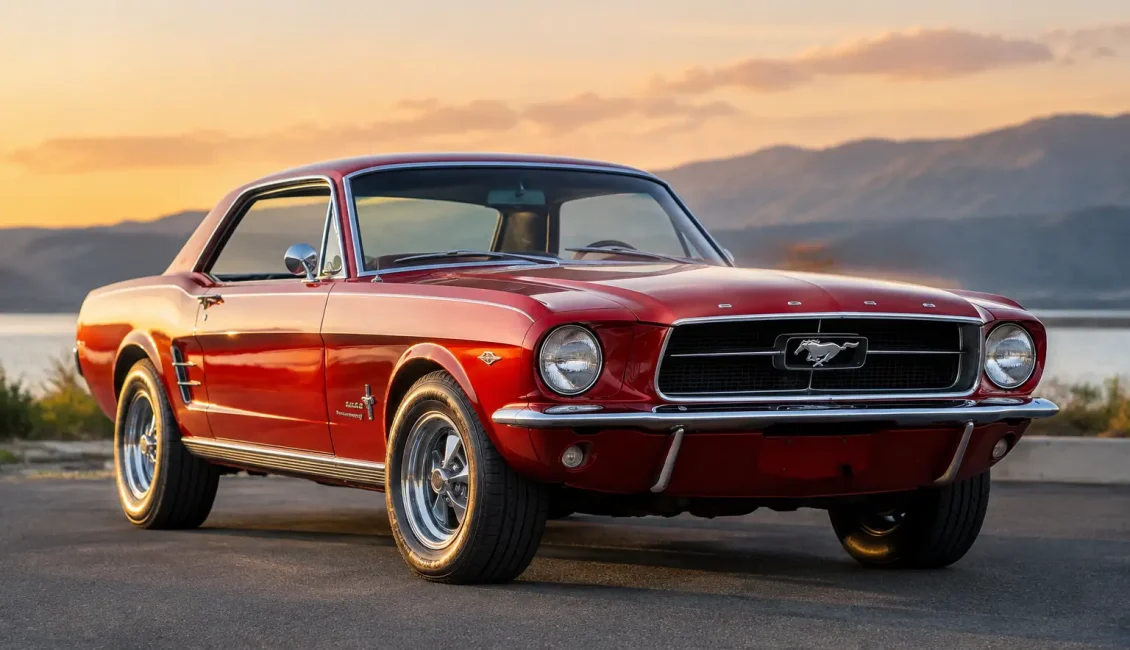
A polished E-type arriving on the grass, the unmistakable burble of a big-block V8, a carefully restored Mini drawing a crowd three-deep: classic cars have a way of stopping people in their tracks. They do not need a screen, a sales pitch or a lap record to make an impression. Their stories are written in chrome, paintwork, engineering and the memories they trigger.
For many enthusiasts, the appeal begins with a particular model. Perhaps it is the Escort that once sat on a neighbour’s drive, the MGB seen on family holidays, or the Rover P6 that represented proper executive motoring. Yet the real pull is wider than nostalgia. Classic motoring gives people a direct connection to an era when cars were shaped by distinct ideas, regional character and bold engineering choices.
Classic cars are more than old vehicles
Age alone does not make a vehicle special. A classic earns its place through character, significance, rarity, design or the affection it inspires. Some are obvious icons: the Jaguar E-type, Aston Martin DB5, Porsche 911, Ford Capri and Volkswagen Beetle. Others win people over because they are wonderfully ordinary – a well-kept Morris Minor, a period-correct Vauxhall Viva or a humble Austin Metro that takes visitors straight back to their first driving lessons.
That variety is one reason a good motoring event feels so alive. One owner may have spent years finding the correct trim for a concours restoration, while another has preserved a much-loved family car with its original patina intact. Both approaches have a place. Perfection can be breathtaking, but so can an honest car that wears its history proudly.
Classic cars also reveal how quickly the motor industry has changed. Look at the slim pillars, straightforward dashboards and mechanical controls of a 1960s saloon, then compare them with a modern vehicle full of digital displays and driver-assistance systems. Neither is automatically better. They simply offer different experiences, and that contrast is far more powerful when you can see it in person.
The craftsmanship you can see and hear
Many older cars invite closer inspection because their engineering is visible. Lift a bonnet and there may be carburettors, polished cam covers, simple linkages and an engine bay with enough space to work in. Open a door and you might find walnut veneer, leather that has softened over decades, or cloth trim in a colour scheme no modern manufacturer would dare to offer.
That does not mean classic ownership is effortless. Carburettors need setting up, rust prevention never takes a day off, and parts availability varies wildly between marques. A car that has been beautifully restored can still need regular attention. For some owners, that involvement is the point. Learning how a vehicle works, carrying out careful maintenance and solving the occasional fault create a bond that is hard to replicate with a car that simply plugs into a diagnostic machine.
Sound matters too. The rasp of a twin-cam engine, the whine of a supercharger or the purposeful clatter of an old diesel all add to the theatre. At a live show, that theatre becomes shared experience. Conversations begin around open bonnets, owners explain a restoration decision, and children hear machinery that feels very different from the traffic outside the gates.
Originality, restoration and sympathetic upgrades
There is no single right way to enjoy a classic. A factory-correct car can preserve an important piece of motoring history, particularly where rare specifications or surviving original details are concerned. It may appeal strongly to collectors and concours judges, but it can also make an owner hesitant about using the car as freely as they would like.
A restored car can be just as rewarding, especially when work has been completed to a high standard and documented properly. Then there are sympathetic upgrades: improved brakes, electronic ignition, discreet cooling improvements or period-style tyres chosen for safer, more dependable road use. These changes can make a classic easier to enjoy, although they may affect originality and, in some cases, value.
The best choice depends on the car and the owner’s intentions. A rare, historically important vehicle may deserve conservation. A common model built to be driven on weekends may benefit from sensible improvements. What matters is honesty, quality workmanship and respect for the car’s character.
Why live shows make the difference
Photographs can capture a beautiful profile, but they cannot convey scale, stance or atmosphere. A classic car show brings together details that are easily missed online: the scent of petrol and leather, the glow of polished paint in changing light, the variety of club displays and the buzz around a rare arrival.
It is also where the full breadth of motoring culture becomes clear. A pre-war tourer can sit alongside a 1970s rally legend, a 1980s hot hatch and a 1990s performance coupé. Add bikes, modified builds, sports cars and supercars, and the showground becomes a moving timeline of design and performance. There is always something that surprises even the most knowledgeable visitor.
For owners, events provide a reason to get the car out of the garage. Preparing for a show, joining a club stand and meeting people who understand the effort behind ownership can be every bit as enjoyable as the journey there. It is a chance to swap advice, find a long-sought part, compare restoration notes and celebrate the cars that have shaped British road culture.
For families and casual visitors, the appeal is refreshingly accessible. You do not need to know every chassis code to enjoy a beautiful line-up. Children can pick a favourite, grandparents can share stories, and newcomers can discover that a vehicle they had dismissed as ‘just an old car’ has a remarkable past.
Choosing a classic that suits real life
The dream car is only half the equation. Anyone considering classic ownership should think honestly about how they want to use it. A sunny Sunday run, regular club events and longer touring holidays each place different demands on a vehicle. Storage, servicing, insurance, fuel costs and the availability of specialist support all deserve consideration before buying.
Condition usually matters more than mileage. A solid, well-maintained example with a clear history can be a better prospect than a cheaper project that hides corrosion, missing parts or unfinished work. It is worth seeing several cars, asking detailed questions and taking along somebody who knows the model if possible. Enthusiasm is essential, but patience can save a great deal of expense later.
Do not overlook the social side either. A car with an active owners’ club and strong specialist network can be easier and more enjoyable to keep on the road. Advice from people who have already tackled the same mechanical issue or sourced the same trim piece is often invaluable.
A future worth driving
The classic scene is not standing still. Younger enthusiasts are championing cars from the 1980s, 1990s and early 2000s, while long-established favourites continue to attract devoted owners. That shift keeps show fields varied and ensures the definition of a classic remains broad enough to welcome every generation.
There are challenges ahead, from changing fuel supplies and urban regulations to the cost of skilled restoration work. Yet the strongest response is to keep these cars visible, used and understood. A well-attended event does more than display cherished vehicles. It introduces them to the people who may become their next custodians.
Whether you arrive with a concours Jaguar, a characterful everyday survivor or simply a camera and a favourite childhood memory, make time to talk to the owners. Every classic has a story, and the best ones are rarely told from behind a barrier.



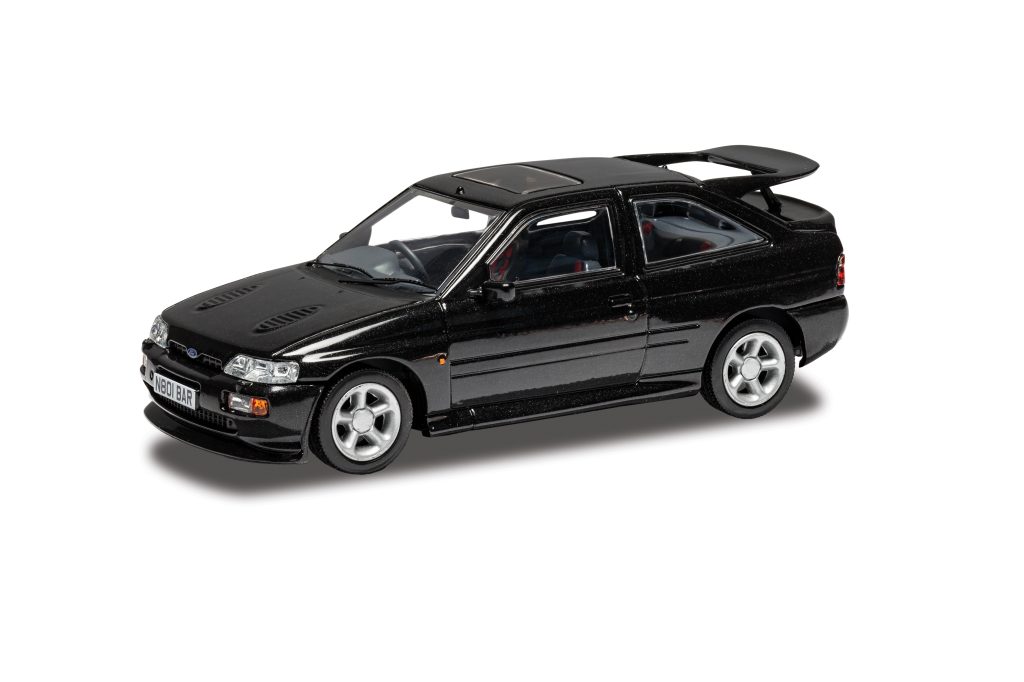 Image: CORGI
