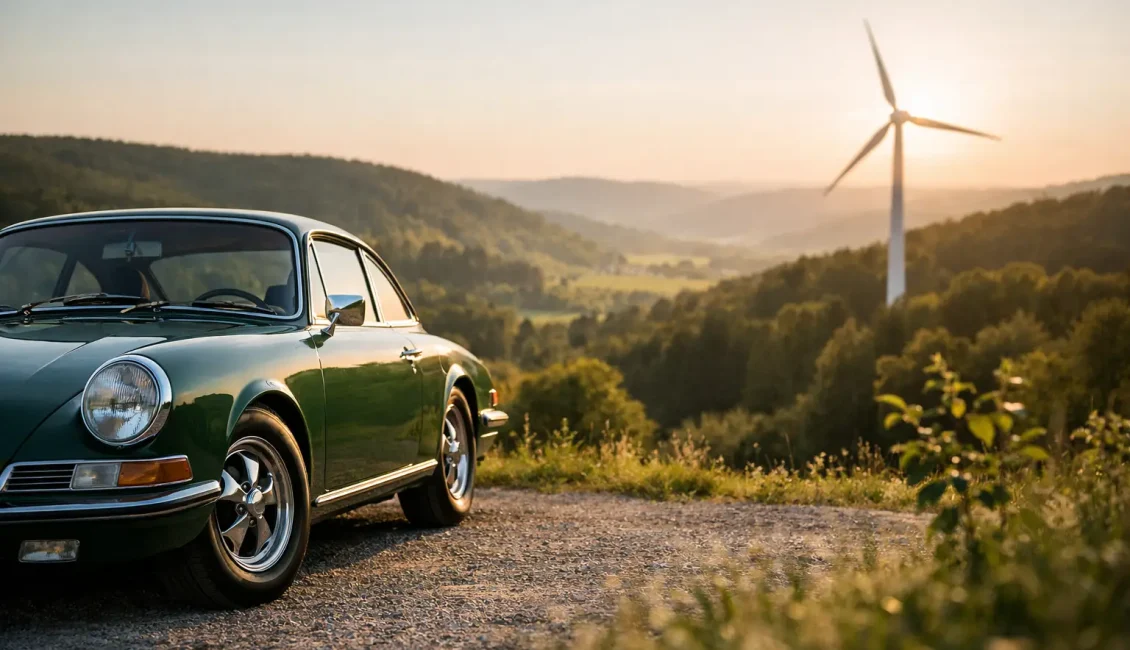
A well-kept MGB, Mini, Land Rover or 1990s coupé is not simply a weekend indulgence. Buy a classic, it’s more sustainable can be a sound argument when you look beyond the tailpipe and consider the whole life of a vehicle. The car already exists, its materials have already been made, and with the right care it can remain on the road for decades rather than being replaced every few years.
That does not make every old car automatically green. A thirsty V8 used for a long daily commute will burn more fuel than an efficient modern hatchback, and an unrestored project can consume plenty of resources before it turns a wheel. But for many enthusiasts, particularly those covering modest annual mileage, keeping a cherished classic in use is a practical expression of the repair, reuse and preserve mindset.
Why buy a classic? It’s more sustainable by design
The biggest environmental advantage of an existing vehicle is often the carbon tied up in making it. Producing a new car requires raw materials, energy-intensive manufacturing, transport and a substantial supply chain. Modern vehicles may be cleaner and more efficient to run, but they are not made from thin air.
A classic has already passed through that manufacturing stage. Its steel, aluminium, glass, rubber and trim are still doing the job they were made to do. Extending that useful life spreads the original environmental cost over far more years and miles.
This is particularly relevant when a classic is a second car rather than a replacement for public transport or a highly economical daily driver. Many owners use their pride and joy for sunny Sunday runs, club meets, local shows and the occasional road trip. At a few thousand miles a year, or often far fewer, the overall fuel use can be relatively limited. The pleasure, heritage and community value can be enormous.
There is a more human point here, too. Classic ownership encourages people to value objects for longer. Instead of seeing a car as a three-year product cycle, you become its custodian. You learn its quirks, maintain it, source the right parts and hand on a piece of motoring history in better condition than you found it.
Repairability keeps cars on the road
Open the bonnet of many older cars and you can see why they remain viable. Mechanical systems are often straightforward, components can be removed and repaired, and there is a remarkable network of specialists, owners’ clubs and independent garages keeping knowledge alive.
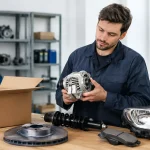
A faulty alternator may be rebuilt. A worn seat can be retrimmed. Rust can be cut out and new metal carefully let in. Carburettors can be cleaned and tuned rather than discarded. Even when parts are no longer available from a manufacturer, the classic scene is exceptionally resourceful. Small suppliers reproduce trim, panels, seals and service items because enthusiasts continue to demand them.
That repair culture matters. Modern cars are frequently safer, more refined and more economical, but their complex electronics, integrated modules and proprietary systems can make certain faults expensive to diagnose or uneconomic to fix as they age. There are exceptions in both camps, of course, but a classic’s relative simplicity gives it a fighting chance of a very long life.
Restoration also supports skilled work. Bodywork, paint, machining, trimming, welding and traditional mechanical expertise are not only useful services – they are crafts worth keeping in circulation. A properly restored car represents time, knowledge and care, not throwaway consumption.
The fuel question cannot be ignored
Sustainability is not a free pass to overlook fuel consumption. Older engines generally produce more emissions per mile than current cars, especially in urban traffic, and some classics have no catalytic converter. If your regular journey is a 70-mile motorway commute, a modern efficient car, hybrid or electric vehicle may be the more sensible choice.
Where a classic makes the strongest case is in how it is used. A lightly driven car that is maintained well, tuned correctly and stored properly can deliver years of enjoyment without huge annual mileage. Gentle driving helps too. Smooth acceleration, sensible speeds and avoiding unnecessary idling are as relevant to a classic as to any other vehicle.
Maintenance has a direct bearing on emissions. A neglected ignition system, badly adjusted carburettors, dragging brakes or underinflated tyres will make any old car less efficient and less pleasant. Regular servicing, correct fluids and a proper set-up protect both the car and the quality of every journey.
For some owners, sympathetic upgrades offer a sensible middle ground. Electronic ignition, improved cooling, better tyres, a more efficient carburettor set-up or a five-speed gearbox can improve usability without erasing a car’s character. These decisions should suit the vehicle. A rare, highly original example may be best preserved as it is, while a regularly used classic may benefit from carefully chosen reversible improvements.
Preservation beats disposable motoring
The most sustainable classic is usually the one that is already in good, usable condition. Buying a sound, well-maintained example can avoid the material-heavy work involved in rescuing a severely corroded project. That does not mean restoration projects have no place – far from it. Bringing a significant or much-loved vehicle back from the brink can be deeply worthwhile. It simply pays to be realistic about the labour, replacement panels, paintwork, transport and parts involved.
Before buying, look for evidence of regular care rather than just a shiny finish. A history file, invoices, MOT records where applicable, photographs of restoration work and a knowledgeable seller tell a more useful story than fresh paint alone. Check for corrosion, poor previous repairs, leaks and hard-to-source missing pieces. The right car is one you can afford to keep properly, not merely acquire.
Using original parts where safe and practical, repairing components before replacing them, and buying quality consumables that last are all good habits. So is keeping a car dry. A clean garage, breathable cover and early attention to stone chips or damp carpets can prevent minor issues turning into a major restoration.
Classics create a local circular economy
Classic motoring is not only about individual ownership. It sustains a broad ecosystem of local garages, parts specialists, transport firms, upholsterers, paint suppliers, machine shops and event traders. Money spent maintaining an older vehicle is often circulated through specialist British businesses rather than disappearing into a short replacement cycle.
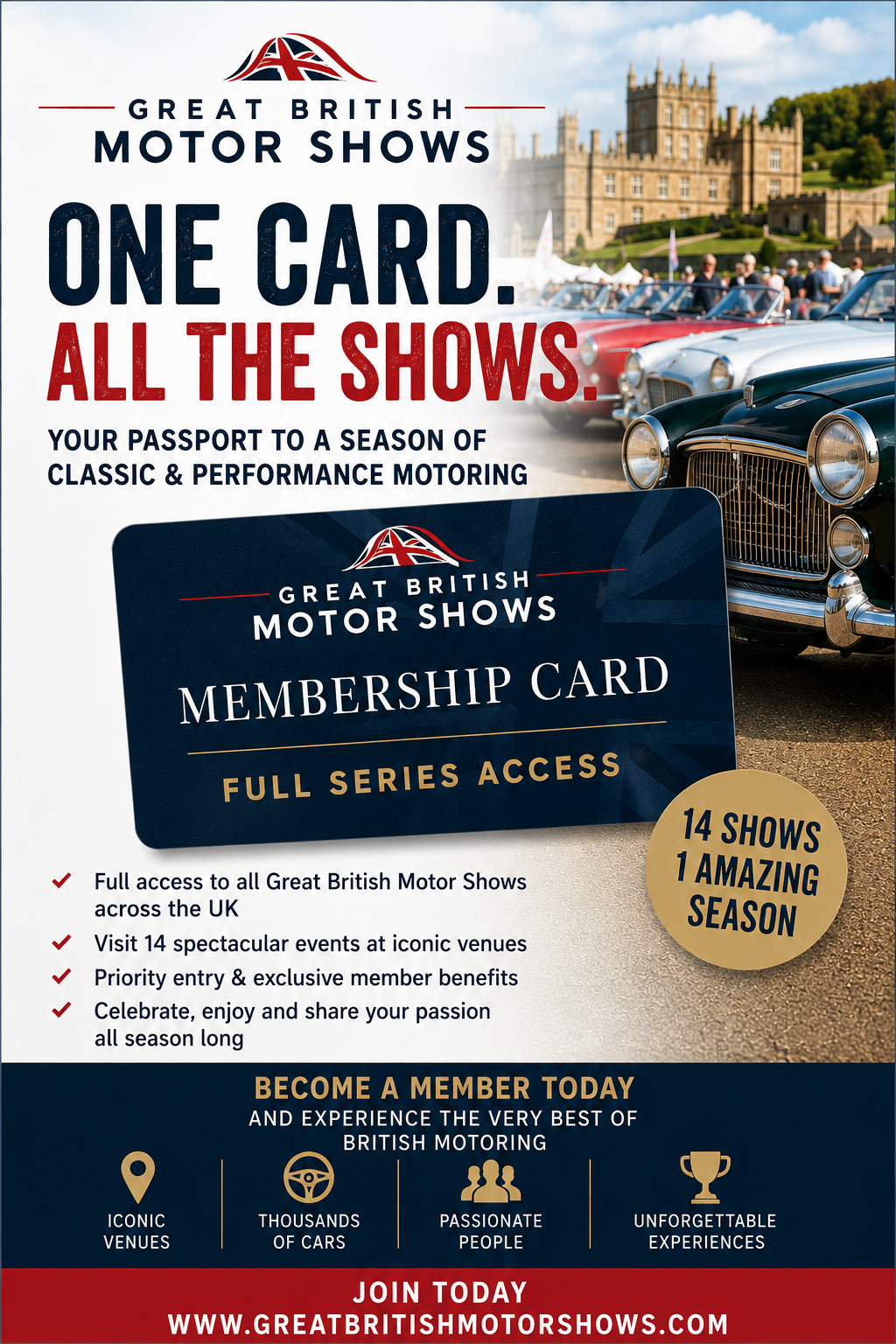
Shows play a part in that ecosystem. A day among hundreds of vehicles gives owners the chance to compare restoration ideas, talk to specialists, find a missing part and meet people who understand the particular challenges of keeping an older machine alive. At Great British Motor Shows, that shared enthusiasm is visible from the concours lawn to the club stands, from modified builds to motorcycles and long-loved family cars.
The social side has its own value. When owners share advice, tools, spares and experience, cars that might otherwise be abandoned can return to the road. Clubs often preserve model-specific knowledge that is no longer available from a handbook or main dealer. That is sustainability in its most practical form: making what we have last longer.
A sensible way to own a greener classic
The aim is not to claim that a 1960s sports car is cleaner at the exhaust than a new electric vehicle. It is to make an informed choice about the vehicle’s full life, its intended use and the enjoyment it brings. If you need dependable everyday transport for high mileage, choose the most efficient option that fits your life. If you want a characterful second car for occasional adventures, a classic can be a remarkably responsible choice.
Choose condition over fantasy, maintain it before it breaks, drive it considerately and keep it in service for the long term. A classic car is built from materials, engineering and stories that have already stood the test of time. Giving it another chapter is one of the best reasons to get behind the wheel.