
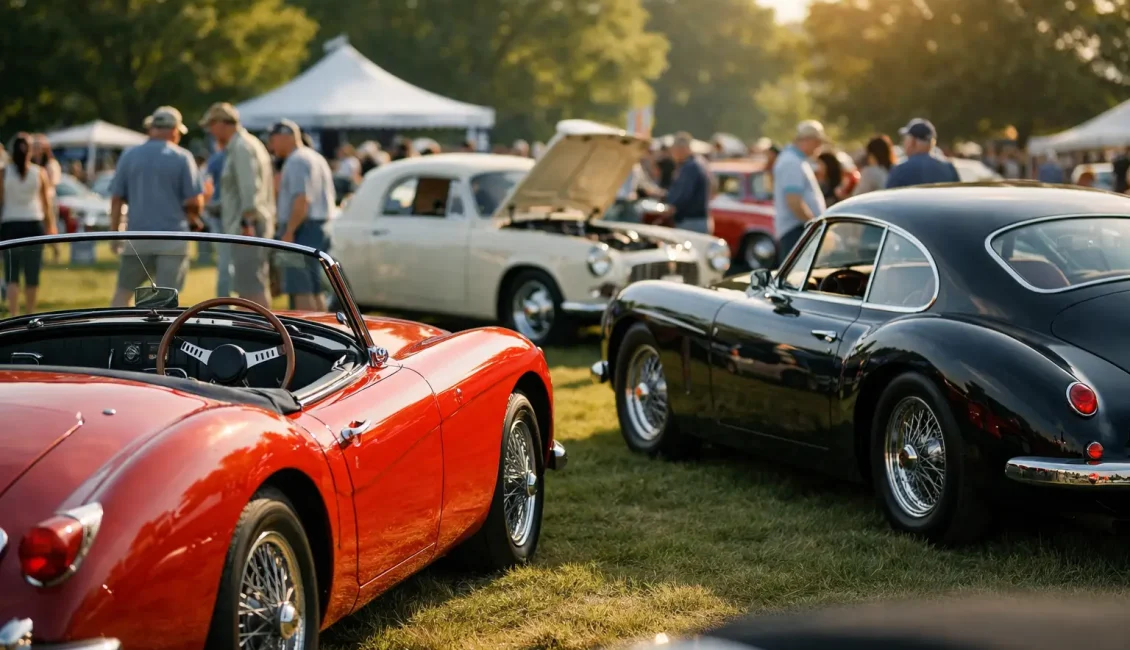
You know within the first ten minutes whether a show has got it right. It is there in the queue of cars arriving at the gate, the mix of engines settling into place across the showground, and the first line of polished bonnets catching the light against a proper British venue. Any honest classic car event review has to start there, because the best events are not judged by one headline attraction alone. They are judged by atmosphere, variety, organisation and whether the day feels built for real enthusiasts as well as families looking for a memorable day out.
A strong classic show is never just a car park full of old metal. It is a live gathering of stories, engineering, pride of ownership and club culture. When it works, you feel it straight away. When it does not, no amount of clever marketing can hide the gaps.
What a classic car event review should really measure
Too many reviews focus on a handful of hero cars and miss the bigger picture. Yes, rare machinery matters. Seeing a beautifully presented E-Type, a sharp Capri, a concours-standard MG or a perfectly used and loved Morris Minor is part of the appeal. But the true measure of an event is how well everything around those cars supports the experience.
Vehicle quality is the obvious starting point, but quality does not always mean six-figure values or museum-piece condition. A good event should have range. You want pristine restorations, period survivors, home-garage projects and club cars with miles and memories behind them. That mix keeps a show feeling alive rather than staged.
Venue matters just as much. A classic car display in the grounds of a stately home, parkland estate or heritage setting immediately adds something extra. The backdrop turns a simple visit into a day out, and it changes how people move through the event. There is more room to browse, pause and take in the details. It also helps broaden the audience. A serious collector might arrive for the cars, while a family comes for the overall experience and leaves with a new interest in the hobby.
Then there is flow. This is where many events quietly win or lose. Clear entry routes, sensible parking, enough space between displays, decent trader placement and food areas that do not create bottlenecks all make a difference. Nobody talks about event layout when it is done well. They talk about it a lot when it is not.
The best classic car event review looks beyond headline cars
Big-name machinery gets attention, and rightly so. A rare Aston Martin, an immaculate Jaguar or a line-up of early Porsche models will always stop people in their tracks. But a great show earns its reputation from depth rather than a few glamorous centrepieces.
Car clubs are often the real backbone of the event. They bring community, knowledge and consistency. A well-supported club area adds personality that cannot be manufactured. Owners are there to chat, compare notes and share the history of their cars without any barrier between exhibit and visitor. For newcomers, that accessibility is often what turns a casual interest into a genuine passion.
That is also why variety counts. A field full of only one era or one type of classic can be impressive, but it may not hold broad appeal for long. The strongest events usually mix post-war saloons, British sports cars, modern classics, vintage motorcycles and selected performance machinery. That spread keeps different generations engaged and reflects how wide the enthusiast scene has become.
There is a balance to strike, of course. Too broad, and a classic event can lose its identity. Too narrow, and it risks feeling exclusive. The sweet spot is a show that celebrates heritage while still welcoming people whose idea of a special car might come from the 1980s, 1990s or early 2000s.
Atmosphere is not an extra – it is the point
The reason people keep coming back to live motoring events is simple. Screens cannot replace scale, sound or presence. A proper classic show gives you the smell of fuel and polish, the sight of chrome in the sun, the low conversation between owners and the occasional crowd gathering around something unusual as it arrives.
That atmosphere comes from the details. A strong exhibitor line-up helps, but so does the feel of the day. Good commentary, active club stands, quality traders and enough movement around the site all contribute. If the event feels flat by mid-morning, visitors notice. If it feels busy but not chaotic, they stay longer and enjoy more of what is on offer.
Food and facilities play a bigger role than some enthusiasts like to admit. Nobody expects fine dining at a motor show, but sensible catering, clean loos and places to sit matter, particularly at larger venues and for visitors making a full day of it. This is one area where family appeal and enthusiast appeal are not in conflict at all. Better facilities improve the day for everyone.
Venue, access and value for money
Any useful classic car event review has to talk about practicality. Enthusiasm gets people through the gate, but value keeps them coming back next year.
A ticket can feel well worth it when the venue is strong, the display fields are full and there is enough to see for several hours. It feels less convincing when a show is thin on content or poorly signposted. Advance communication matters too. Visitors want clear timings, entry details, parking guidance and realistic expectations about what the event includes.
Accessibility is another genuine factor. The UK audience for classic shows is broad. Some visitors are seasoned club members travelling in convoy. Others are couples on a weekend trip or families introducing children to motoring heritage for the first time. Easy access from regional road networks, sensible parking and a straightforward gate process make an event more welcoming from the start.
The setting can justify the journey. One of the strongest features of the modern UK show scene is the use of destination venues that add character before the first car is even viewed. A great venue turns attendance into more than ticking off a list of exhibits. It gives people a reason to arrive early, stay longer and plan their next visit.
Why clubs, traders and live participation matter
A static display alone rarely carries a large event. Visitors want interaction. That may come from club members sharing restoration stories, traders offering specialist parts and automobilia, or owners discussing the practical realities of keeping older cars on the road.
This is where the best events feel like a community rather than a ticketed display. The trader area, if properly curated, can be a real strength. Enthusiasts enjoy browsing tools, memorabilia, detailing products and period-inspired clothing, but only if the mix feels relevant. Too many generic stalls dilute the event. The same applies to vehicle judging or special features. If they are thoughtfully presented, they add excitement. If they feel bolted on, people drift past.
For exhibitors, participation has to feel worthwhile as well. Good placement, clear arrival information and a venue that draws strong footfall all make owners more likely to return. That matters because repeat exhibitors help establish quality and continuity year after year.
Brands such as Great British Motor Shows understand that point well. The show is not just for spectators. It has to work for clubs, traders, partners and vehicle owners too, because that is what builds momentum across a whole event calendar.
A classic car event review for today’s audience
The audience for classic motoring has changed, and event standards need to keep pace. Heritage still sits at the heart of it, but visitors now expect more polish from the event itself. They want better presentation, broader appeal and a clearer reason to choose one date over another.
That does not mean every show needs to become bigger or louder. In fact, some of the most enjoyable events are the ones that feel well judged rather than overstuffed. Enough cars to reward the journey. Enough variety to keep different tastes interested. Enough atmosphere to make the venue feel alive.
There is also room for different types of success. Some events are brilliant for serious marque enthusiasts who want depth, authenticity and conversation. Others are stronger as family-friendly destination days with a broad display and plenty to do around the cars. Neither approach is wrong. The key is being honest about what the event is trying to be, then delivering it properly.
For visitors deciding where to spend their weekends, that is the real test. Not whether a show had one extraordinary car, but whether the whole day felt worth repeating.
A memorable classic event leaves you with more than a camera roll full of polished bodywork. It sends you home thinking about the cars you grew up with, the ones you still want, and the people who keep the scene moving. That is what the best shows deliver, and it is why the right event earns its place in the calendar long before the gates open again.