
The first sound you hear at a great classic motorcycle show is rarely silence. It is the gentle tick of cooling metal, a familiar single-cylinder thump from a demonstration area, and the animated conversations of people who know exactly why a particular tank badge or exhaust note matters. This classic motorcycle show guide is for making the most of that atmosphere, whether you arrive with a restoration project in the garage or simply fancy a memorable day among remarkable machines.
A good show is more than rows of polished motorcycles. It is a chance to see engineering up close, compare generations of British, European and Japanese icons, speak to the people who keep them running, and discover the stories that turn a motorcycle into a proper classic. With a little planning, you can spend less time wondering where to start and more time enjoying the bikes that brought you there.
Plan Your Visit Before the Gates Open
Classic motorcycle events reward an early start. The morning is often the best time to look closely at display machines before the busiest periods, chat with owners who are still setting up, and browse trader stands while popular parts, tools and memorabilia are available. If you are travelling to a heritage venue or country estate, allow extra time for parking and the walk from the car park – it is part of the day, not a reason to rush it.
Check event information before setting off, particularly opening times, ticket arrangements, site access and whether dogs are permitted. Weather matters too. Much of the appeal of a live motor show comes from outdoor displays, club areas and demonstrations, so comfortable footwear and a waterproof layer are usually wiser than hoping for a dry forecast.
If you are bringing children or friends who are less familiar with older motorcycles, set a relaxed pace. A show works best when there is room to stop at the machines that catch someone’s eye. One visitor may be drawn to the clean lines of a 1960s café racer; another may spend twenty minutes studying the ingenious packaging of a wartime machine. Both are getting the point.
A small kit that earns its place
You do not need to arrive loaded like a touring rider, but a few simple things make the day easier:
- A charged mobile phone for photos, event updates and noting trader details.
- A reusable water bottle, particularly for warm outdoor shows.
- A compact waterproof jacket or umbrella.
- Cash as well as a card, as smaller traders may have different payment preferences.
- A bag with room for a programme, catalogue, parts purchases or that one workshop sign you did not expect to find.
For buyers, add a notebook or a notes app. It is surprisingly easy to forget a registration number, price, frame detail or trader name after seeing a full day’s worth of machinery.
How to Read a Classic Motorcycle Display
The obvious temptation is to head straight for the rarest or shiniest bike. Do it, by all means, but then slow down. The most rewarding display is not always the immaculate concours example. A machine with honest patina, period accessories and an owner willing to explain its history can be every bit as compelling.
Start with the fundamentals. Look at the engine layout, the frame construction and the way the machine has been designed around its original purpose. A lightweight two-stroke built for quick country lanes tells a different story from a long-distance touring twin or a hard-working former dispatch bike. Details such as drum brakes, girder forks, exposed valve gear and hand-painted coachlines show how quickly motorcycle design evolved across the decades.
Then look for provenance. Original registration documents, period photographs, racing history, old tax discs and restoration records add depth to a display. They do not automatically make a motorcycle more valuable, but they can make it more meaningful. At a show, these details are often what open the best conversations.
Be careful not to assume that every gleaming machine is entirely original, or that every worn one has been neglected. Restorations range from faithful rebuilds using correct parts to carefully improved riders intended for regular road use. Neither approach is automatically better. The right choice depends on the owner’s aim, the motorcycle’s condition when acquired and how it will be used.
The Classic Motorcycle Show Guide to Talking Bikes
Owners bring motorcycles to shows because they want them seen. Most are delighted to talk when they are not eating, moving a bike or clearly mid-conversation with someone else. Begin with a genuine question rather than declaring what you think it is. Ask how long they have owned it, whether they ride it, or what proved hardest during the restoration.
You may hear about a missing gearbox component found after months of searching, a machine rescued from a shed, or a family connection that goes back decades. These are the stories that do not appear on a specification sheet. They also offer useful perspective if you are considering a project of your own: classic ownership is often as much about patience, research and community as it is about spanners.
If you are taking photographs, be considerate. Avoid leaning over barriers, touching a machine without permission or blocking an owner’s view while framing the perfect shot. Ask before photographing close-up documents or personal display boards. A little courtesy keeps the atmosphere welcoming for everyone.
Make Time for Clubs, Traders and Demonstrations
The club areas are one of the strongest reasons to attend a classic show in person. A single bike can be impressive; a row of well-loved examples lets you see differences in colours, years, specification and owner taste. Clubs are also the fastest way to learn which models are straightforward to live with, where parts availability is improving, and which jobs should be left to a specialist.
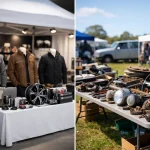
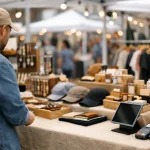
Do not overlook the trader areas. They are useful whether you are hunting a specific item or simply learning what exists. You may find manuals, clothing, tools, badges, models, workshop art and those hard-to-source components that never seem to appear when you are searching at home. For substantial purchases, inspect the item closely and ask clear questions about fitment, condition and returns before handing over any money.
Demonstration runs and live features deserve a place in your schedule. Static displays show shape and finish, but a motorcycle in motion reveals its character. The sound of an old twin settling into its rhythm or a two-stroke clearing its throat can explain its following better than a paragraph ever could. Stand where you can see safely, follow steward instructions and keep younger visitors close in busy areas.
If You Are Thinking of Buying a Motorcycle
A show can be a brilliant place to narrow your choices, but it should not force a decision. Use the day to compare several examples of the same model and learn what looks correct. Notice the quality of panel gaps, fasteners, paintwork and cables, but remember that cosmetics are only one part of the picture.
Ask owners what they would check before buying their own bike again. Their answers are often more valuable than a sales pitch. Common themes include matching numbers where relevant, engine condition, paperwork, parts supply, specialist knowledge and the real cost of bringing a non-runner back to life. A cheap project can become expensive quickly if essential items are rare or incorrect modifications need undoing.
For a first classic, a popular, well-supported model is usually the sensible route. It may not be the rarest machine at the show, but accessible parts, active clubs and plentiful advice can mean more riding and less time waiting for a tiny component to arrive. If your heart is set on something unusual, go in with open eyes and a realistic budget.
Turn a Show Visit Into a Better Motoring Day Out
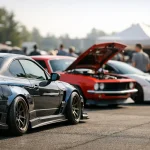
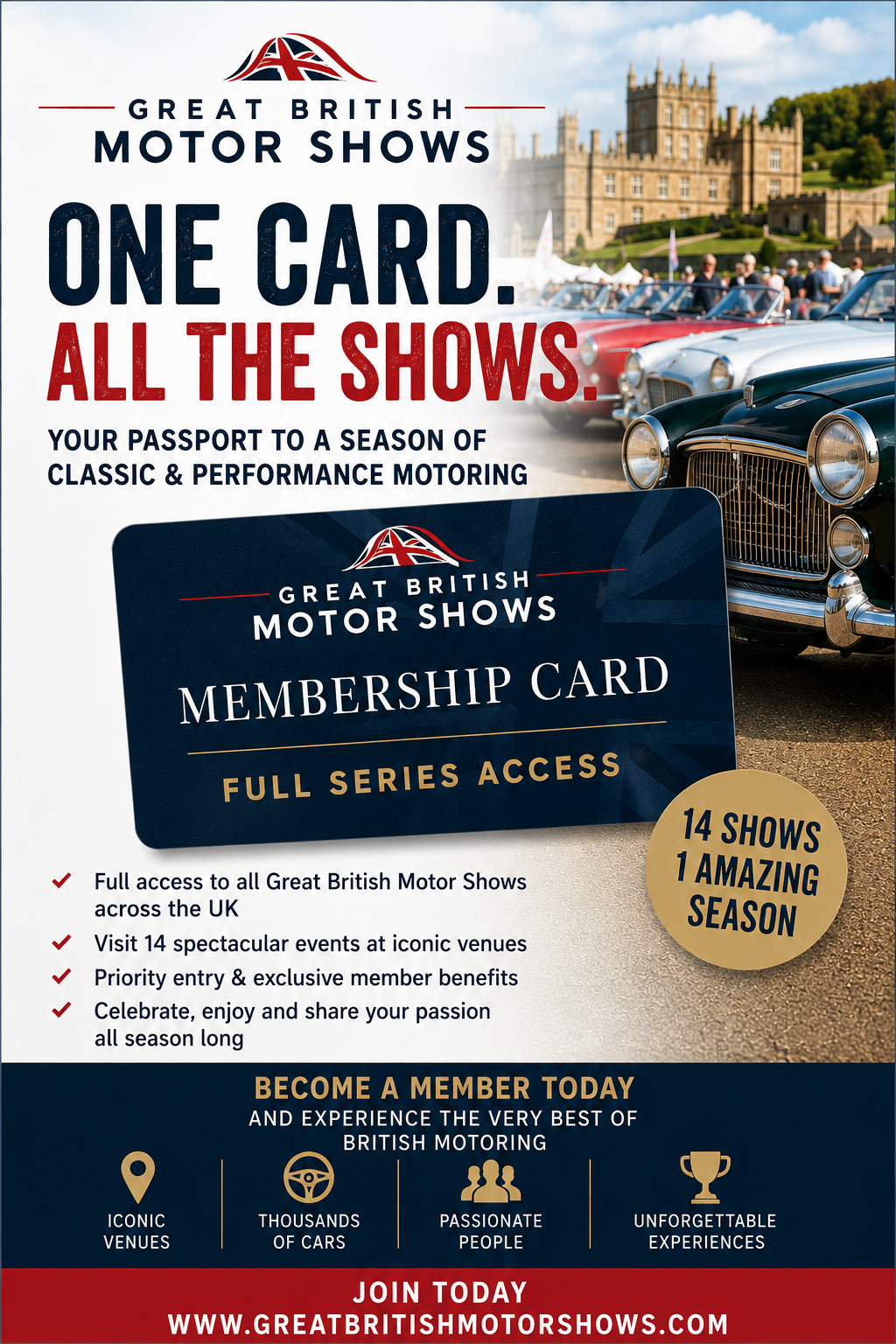
The strongest events create room for every type of enthusiast. Some visitors arrive to study concours restorations; others come for the spectacle, the venue and the chance to share a day with family. Great British Motor Shows brings that broader motoring crowd together, so take time to enjoy the classic cars, performance machinery and varied displays around the motorcycles too. You may leave with a new appreciation for a marque or era you had not planned to notice.
Take photographs, but do not experience the whole event through a screen. Pause at the bikes with crowds around them, then seek out the quieter corners where an unusual lightweight, a beautifully used tourer or a club stand can surprise you. A classic motorcycle show is at its best when it feels less like a checklist and more like a collection of conversations waiting to happen.
When you head home, keep the programme, save the trader details and write down the bikes that stayed with you. The machine you cannot stop thinking about is often a better clue to your next project, purchase or return visit than any price tag on the day.