A great motor show day starts long before the first engine fires up in the display arena. Whether you are there to admire concours classics, hunt down a rare performance car, bring the family for a proper day out or catch up with your club, a little preparation means less time queuing and more time around the vehicles that brought you there.
If you are wondering how to plan motor show day properly, think of it as part road trip, part treasure hunt. The best events have more to see than any one visitor can cover in an hour: club stands, specialist traders, motorcycles, modified builds, supercars, food, live displays and the atmosphere of a brilliant venue full of fellow enthusiasts. Arrive with a loose plan, but leave room for the unexpected.
Book early and check the event details
The simplest way to make show day easier is to secure tickets in advance. Advance booking can save time at the entrance and gives you one job fewer to worry about on the morning. Keep your ticket confirmation where you can find it quickly, whether that is on your mobile phone or printed out for the glovebox.
Before setting off, check the latest visitor information for opening times, venue access, parking arrangements and any guidance for dogs, mobility access or children. Historic estates, country parks and destination venues are part of what makes a motor show memorable, but they can also have different access routes and larger grounds than a standard exhibition centre.
If you are attending with friends, agree the essentials the day before: which entrance to use, when to meet and who is driving. It sounds obvious, but a group chat full of “where are you?” messages is not the most exciting way to begin a day surrounded by V8s, vintage chrome and beautifully detailed restoration work.
Plan your journey without overplanning it
A good route matters, especially for morning arrivals. Allow extra time for weekend traffic, roadworks and the final few miles near the venue. Popular shows naturally create a busy arrival period, particularly when gates first open. Getting there a little earlier usually means a calmer parking experience and a chance to see the first cars settling into place.
For a full day at a large event, aim to arrive close to opening rather than at lunchtime. The early hours are often the best time to photograph standout vehicles before visitor areas become busy, speak to exhibitors when they are less rushed and take in the scale of the displays.
Check fuel before you leave, particularly if you are travelling from outside the local area. It is a small detail, but nobody wants their return journey dictated by a low-fuel warning light after a long day on their feet. If you are coming in a cherished classic or modified car, factor in its pace, comfort and fuel range rather than treating the trip like a weekday run to the shops.
Make parking part of the plan
Wear suitable footwear before you even think about the car park. Grass fields, gravel paths and expansive venue grounds are all part of the show experience, but trainers or comfortable walking shoes will serve you better than footwear chosen solely for the photos.
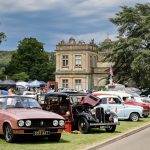
Take a quick photo of your parking location when you arrive. At the end of a packed day, rows of cars can look surprisingly alike, even when your own is parked beside a bright red coupe or an immaculate camper van. Keep valuables out of sight, lock up properly and avoid leaving purchases on display.
Choose your must-see displays
The strongest motor shows reward curiosity. You may arrive determined to see the classic Ford line-up or the prestige sports cars, then find yourself spending half an hour talking to the owner of a beautifully restored motorcycle or studying an engine bay on a modified build.
That said, it helps to choose two or three priorities. Perhaps you want to visit a particular car club, watch a live arena session or browse traders for parts and memorabilia. Start with those while your energy is high, then let the rest of the day unfold naturally.
Do not try to inspect every vehicle with the same intensity. A show is not a checklist. Take your time where something genuinely catches your eye. Read the display boards, ask respectful questions when an owner is nearby and notice the details: period-correct interiors, original badges, fabrication quality, paintwork, unusual specifications and the stories behind the registration plates.
For families, build in variety. Children may love the noise and spectacle of performance cars but lose interest if the whole day becomes a slow walk between static rows. Mix vehicle displays with food stops, arena activity and time to explore the venue. A motor show can be a brilliant introduction to the hobby when it feels like an adventure rather than an endurance test.
What to take to a motor show
You do not need to pack like you are heading on holiday, but a few sensible items make a real difference. Bring a lightweight waterproof layer, even when the forecast looks kind. British weather has a habit of giving every forecast a second opinion by mid-afternoon.
A portable charger for your mobile phone is worthwhile if you will be taking photos, using tickets on your mobile phone or coordinating with friends. Sunglasses can help on bright days, and a small bottle of water is handy when you are moving between areas of a large site. If you are planning to buy from traders, take a bag that is comfortable to carry and check whether the stall accepts your preferred payment method.
Bring a camera if photography is part of the appeal, but do not spend the whole day viewing the show through a screen. Take the shot, then enjoy the car in front of you. The sound of an engine starting, the scent of warm oil around a classic and the sight of a rare car in the right setting are the bits that photos cannot fully recreate.
Build in time for traders and conversations
Trader areas are where many show days become productive as well as enjoyable. You might find detailing products, garage signs, model cars, clothing, manuals, parts or something completely unexpected for the workshop wall. If you are searching for a specific item, take measurements, part numbers or reference photos with you. It saves guesswork and makes conversations with knowledgeable traders far more useful.
The same applies to club stands. Owners and members are often happy to talk about the realities of buying, maintaining and enjoying their vehicles. For someone considering their first classic, joining a club or beginning a restoration, that advice can be more valuable than hours of scrolling through adverts.
Be mindful that exhibitors are there to enjoy the day too. Ask before touching a vehicle, avoid leaning on bodywork for photos and give people space when they are eating or preparing for an arena appearance. A little courtesy keeps the atmosphere welcoming for everyone.
Pace your motor show day
It is easy to walk miles without noticing when every corner reveals another row of cars. Take a proper break before you are tired, especially if you are with children or travelling with someone less interested in spending six uninterrupted hours discussing carburettors.
Use lunchtime wisely. Some visitors prefer to eat slightly earlier or later than the main rush, then use the middle of the day to revisit displays they hurried through in the morning. If a live programme is running, check the times early and position yourself with enough room to see safely without blocking paths or crowding barriers.
A flexible plan is usually better than a rigid schedule. Weather, queues and a chance encounter with an owner can all change the rhythm of the day. At Great British Motor Shows, that mix of planned displays and unexpected finds is exactly what gives each event its character.
Leave with more than photos
Before heading home, take one final wander through the area that impressed you most. The crowds often shift later in the day, and you may spot something you missed first time around. If you have spoken with a club, picked up a trader’s details or found a future project that has caught your imagination, make a note while it is fresh.
The best motor show days are not measured by how many cars you managed to photograph. They are measured by the vehicle you cannot stop thinking about on the drive home, the conversation that gave you a new idea and the feeling that the next show date cannot come soon enough.