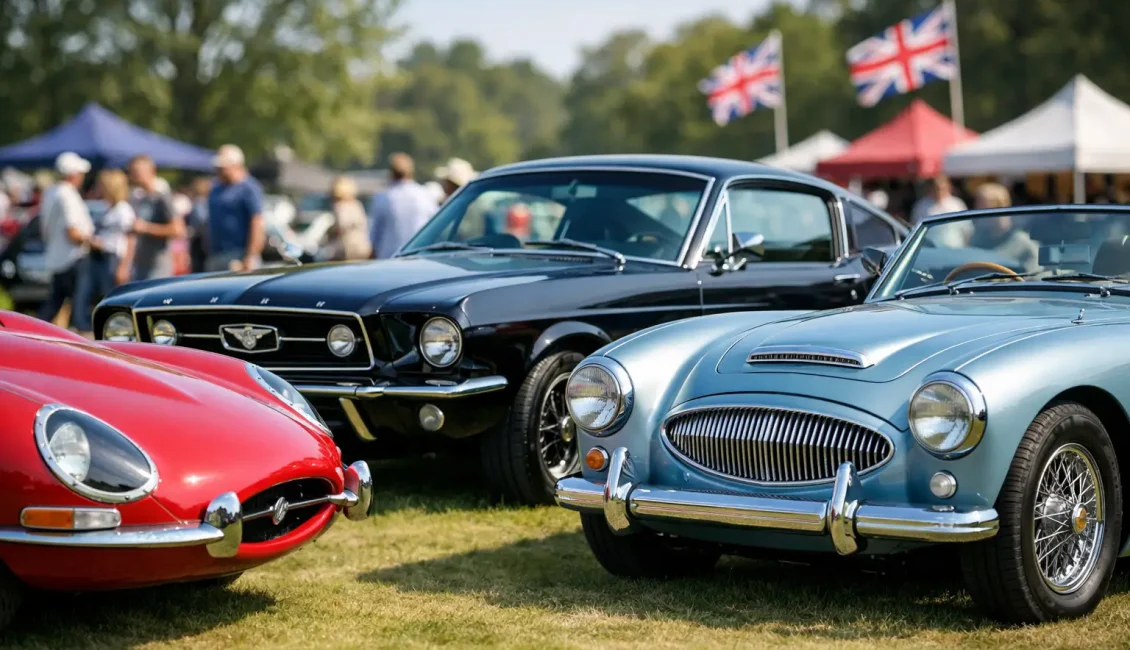
If you are already eyeing up next season, classic car shows 2026 UK will be about far more than rows of polished metal on a field. The best events bring together heritage, engineering, club culture and a proper day out, whether you arrive in a concours-ready Jaguar, a well-used Mini, or simply with the family and a camera. That wider experience is exactly why the 2026 calendar matters – enthusiasts want quality, variety and venues that feel worthy of the cars on display.
Why classic car shows 2026 UK will draw big crowds
There is something different about seeing a classic car in person. Photos can capture the shape, and videos can capture the exhaust note, but they rarely convey the detail – the coachlines, the switchgear, the smell of old leather, the way a crowd gathers around an immaculate engine bay. Live shows turn admiration into conversation, and that is where the real appeal sits.
For 2026, expectations are only getting higher. Enthusiasts are looking for events that mix landmark classics with unusual finds, strong club displays, quality traders and a setting that makes the trip worthwhile. A good show is not just about one headline car. It is about walking from pre-war elegance to 1980s hot hatches, from British sports cars to imported icons, and feeling that every section has been curated for people who genuinely care.
That is also why venue choice matters so much. Historic estates, parks and destination sites add atmosphere that standard event spaces often cannot match. A great venue lifts the whole experience and gives owners, exhibitors and visitors a better backdrop for display photography, relaxed socialising and a full day on site.
What makes a classic car show worth attending in 2026
Not every event suits every visitor, and that is worth saying plainly. Some people want concours standards and rare coachbuilt machinery. Others want broad access, family-friendly entertainment and hundreds of vehicles from many eras. Neither approach is better. It depends on what sort of day you want.
The strongest shows tend to balance spectacle with accessibility. That means enough prestige metal to create excitement, but also enough everyday classics to keep the event relatable. A perfectly restored Ford Escort can pull as much attention as an Aston Martin if it taps into the right memories. Nostalgia is powerful, and the most successful shows understand that enthusiasts are often connecting with their own motoring history as much as the cars themselves.
Clubs are another major part of the picture. A car shown on its own can be impressive. A line-up of ten or twenty examples, displayed by owners who know every production change and trim variation, is far more engaging. Club presence gives a show depth. It creates conversation, comparison and a sense of community that casual displays often miss.
Then there is the practical side. Parking, access, food options, trade stands, viewing space and clear event layout all shape the day. A strong show feels easy to enjoy. You are not battling poor signage or wondering where the featured displays have gone. Instead, the event flows naturally, with enough going on to maintain energy without feeling chaotic.
How to choose the right classic car shows 2026 UK events
The smartest way to plan your season is to think in terms of experience rather than simply date and distance. Start with the cars you most want to see. If your passion is post-war British saloons, one type of event may suit you. If you prefer a wider mix that includes bikes, modified builds, supercars and family entertainment alongside classics, a broader-format motor show may offer better value.
Location still matters, of course. Regional coverage is a big advantage because it gives more enthusiasts the chance to enjoy a quality event without turning every visit into a long weekend. That said, certain venues are worth travelling for. If a show combines a strong vehicle line-up with a standout estate, hall or parkland setting, the destination becomes part of the attraction.
It is also worth checking how the event positions itself. Some are aimed squarely at collectors and serious hobbyists. Others are designed to welcome everyone, from first-time visitors to long-standing club members. For many people, the ideal show is one that does both – enough quality to satisfy dedicated enthusiasts, but enough atmosphere and variety to make it a brilliant day out for partners, friends and children as well.
Advance planning will matter in 2026. The best-known shows often build momentum early, particularly when exhibitor registrations and ticket releases start gathering attention. If you are showing a vehicle, joining a club stand or trading on site, early commitment usually gives you more options and a smoother run-up to the event.
What exhibitors and clubs should look for
For owners, exhibiting is about more than parking up and opening the bonnet. The strongest events create an environment where your vehicle is seen by the right audience and presented in a setting that suits it. That means a well-promoted show, a venue with visual appeal and an audience mix that values the effort behind restoration and preservation.
Clubs should be looking for events that understand display quality and community value. A good club area is not filler. It is one of the reasons visitors attend in the first place. Seeing multiple generations of the same model, talking to owners and comparing approaches to originality or sympathetic modification can be one of the most rewarding parts of the day.
There is a trade-off here. Huge mixed-format events can offer excellent footfall and variety, but a smaller specialist show may deliver more focused engagement for certain marques. Again, it depends on your goals. If you want reach, spectacle and a broad public audience, larger destination events are compelling. If you want a niche conversation with deeply knowledgeable enthusiasts, a more targeted gathering might suit better.
Why traders and partners matter to the show experience
The best classic car events are not static. They feel alive. Traders, specialists and partners play a major role in that. Parts suppliers, automobilia sellers, detailing brands, restoration experts and lifestyle traders all add texture to the day. They also make a show useful, not just enjoyable.
For visitors, this means the chance to buy, browse, compare and ask questions face to face. For exhibitors, it means access to products and services that support the hobby. For event organisers, it creates a more rounded experience that keeps people on site longer and gives the calendar stronger momentum.
That is especially relevant as the event market grows more competitive. People are choosy about where they spend time and money. A show that offers only parked cars may still appeal, but one that layers in trade stands, food, entertainment and destination atmosphere has a much stronger proposition.
The bigger shift behind the 2026 season
Classic motoring is broadening, and the 2026 show calendar is likely to reflect that. Younger enthusiasts are entering through different doors – 1990s and 2000s modern classics, tuner culture, retro performance icons and social-media-driven nostalgia. Traditional collectors are still central, but the scene is no longer defined by one generation or one style of car.
That is good news for live events. It means more variety, more conversation and a more inclusive atmosphere. It also means organisers need to get the mix right. Go too traditional and you risk feeling narrow. Go too broad and you can lose the classic identity that many visitors came for. The strongest events will celebrate heritage while recognising that tomorrow’s classics are already drawing crowds.
This is where a broad enthusiast-led format stands out. When done well, it brings classic cars into contact with bikes, sports cars, modified builds and prestige machinery without diminishing any of them. Instead, it creates a richer day out and reflects the way many enthusiasts actually enjoy motoring culture – with wide interests rather than strict category boundaries.
Making the most of your 2026 show season
If you want the best experience from classic car shows in 2026 UK, treat the calendar as a season rather than a single outing. Mix local convenience with one or two destination events. Attend as a visitor at some and exhibit at others if you have the car for it. Try a broad-format event even if you usually favour specialist gatherings, because the right venue and crowd can surprise you.
Arrive early when possible, especially at bigger events where the display fields, club areas and trader zones quickly become busy. Give yourself time to talk to owners rather than simply photographing the cars and moving on. Some of the best moments at a classic show come from an unexpected conversation about a restoration, a family history with a particular model, or the story behind a car that has survived against the odds.
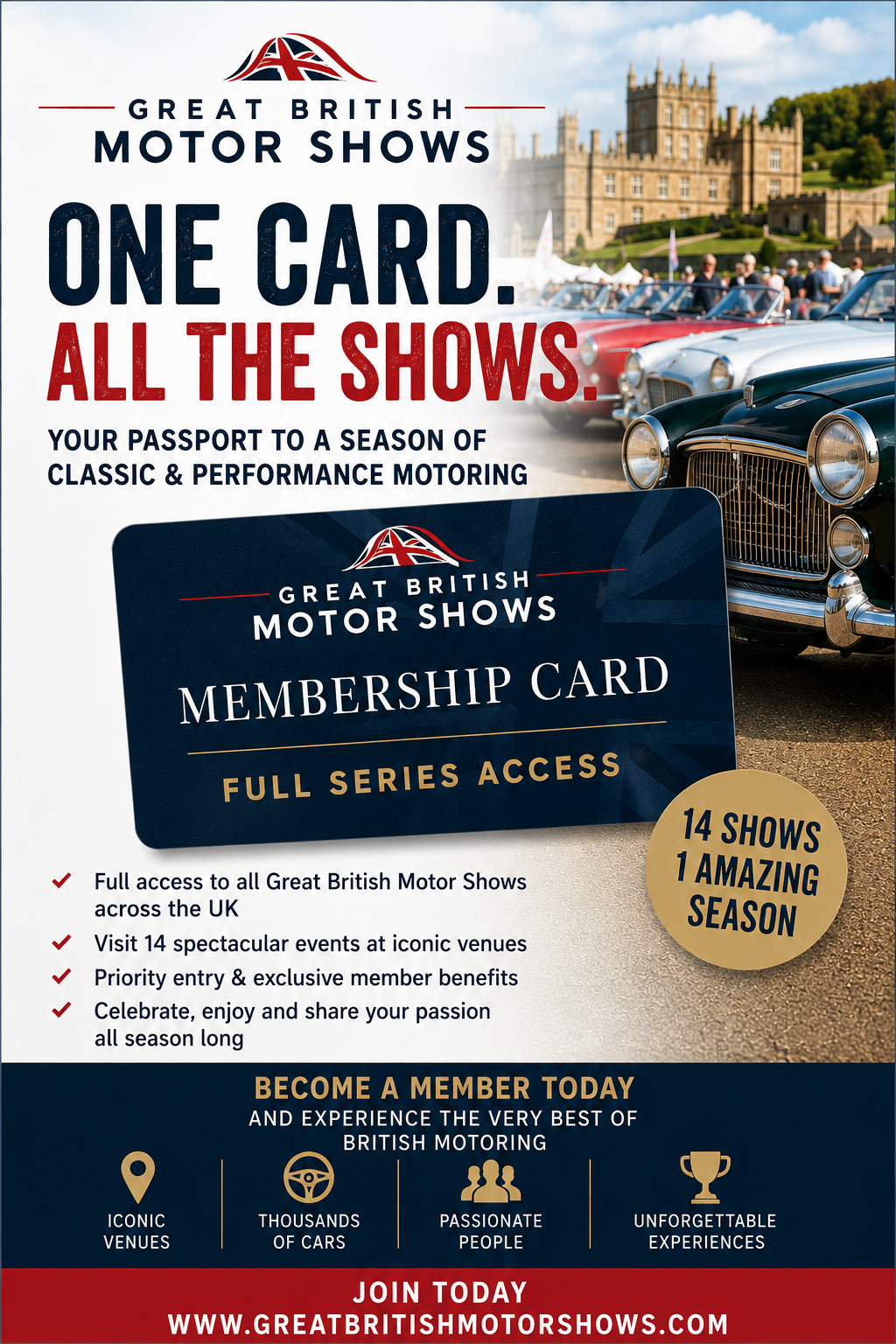
And if you are choosing where to spend your weekends next year, keep an eye on event brands that understand both spectacle and substance. Great British Motor Shows has built its following around that exact combination – accessible regional events, standout venues and a wide mix of machinery that welcomes serious enthusiasts and casual visitors alike.
The best classic shows in 2026 will not just display cars. They will bring people together around everything that makes motoring culture memorable – craftsmanship, noise, nostalgia, pride of ownership and the simple pleasure of seeing something special out in the open where it belongs.