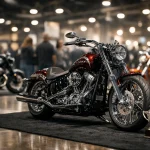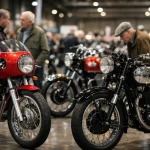

A proper classic motorcycle show UK crowd has a sound and atmosphere all of its own – the low thrum of old singles, the shine of polished tanks under showground light, and the quiet nod between people who can spot a BSA, Norton or Triumph from twenty paces. That is the real appeal. It is not just about rows of machines. It is about heritage you can hear, smell and stand right beside.
For bike enthusiasts, collectors, restorers and families after a memorable day out, these shows offer far more than static displays. At their best, they bring together rare machinery, honest engineering, club knowledge, specialist traders and the sort of conversation you only get when everyone in the field or hall shares the same passion. If you have never been, or you are deciding which event deserves a place in your calendar, it helps to know what makes a great show worth the trip.
What makes a classic motorcycle show UK event worth attending?
The strongest events get the balance right. You want quality bikes, of course, but you also want variety. A show with only one make or era can be brilliant for specialists, yet a broader event often delivers more for the average visitor. British icons sit comfortably alongside Japanese classics, Italian exotica, post-war workhorses and the occasional competition machine with real history behind it.
That range matters because classic motorcycling is not one story. For some people it starts with a 1960s café racer. For others, it is a 1970s two-stroke they wanted at seventeen but never bought. Some come for concours-standard restorations, while others prefer a machine that still wears its age properly. The best shows respect all of those viewpoints.
Venue plays a big part too. A classic bike display always feels stronger in a setting with presence – stately grounds, historic halls, parkland venues or established event sites that can handle proper visitor numbers. It turns a browse into a day out. You are not just turning up to look at motorcycles in a car park. You are stepping into an event with scale, atmosphere and enough to keep both dedicated enthusiasts and casual visitors interested.
The bikes are the headline, but the people make the day
Anyone who has spent time around classic motorcycles knows the machines are only half the attraction. The other half is the knowledge that sits beside them. Owners are often restorers, long-term keepers or serial tinkerers who know exactly why a certain model matters, what parts are difficult to source, and which details separate a very good rebuild from an ordinary one.
That is where a live show beats scrolling through photos online. You can ask questions. You can compare finishes, listen to restoration stories and get a clearer sense of what ownership really involves. If you are thinking about buying your first classic bike, a show can save you from expensive assumptions. One chat with an experienced owner can tell you more than hours of vague forum reading.
Clubs are another major part of the appeal. Good club stands bring depth to a show floor or showground. They create mini time capsules around specific marques, racing histories or model lines, and they welcome newcomers as much as lifelong members. If you have ever wanted to get closer to a particular make, joining that conversation at an event is one of the easiest ways in.
What to expect at a classic motorcycle show UK event
Most visitors arrive expecting beautiful bikes and leave talking about everything around them. Alongside the display motorcycles, many shows include autojumble traders, parts specialists, memorabilia sellers, apparel stands and related vehicle displays that broaden the appeal. For many people, especially those travelling as a couple or family, that wider mix is a real advantage.
There is also a practical side. If you are restoring or maintaining a classic machine, these events can be excellent places to track down hard-to-find parts, specialist tools or the right advice before you order the wrong component online. Not every trader will have exactly what you need on the day, but the contacts alone can be worth the visit.
Food and facilities matter more than people admit. A great event feels easy to spend hours at. That means sensible layout, straightforward parking, clear signage and enough refreshments to keep the day moving. The difference between a decent show and a memorable one often comes down to how comfortable it is to explore at your own pace.
Why these shows still matter in a digital age
Classic motorcycling has always been about mechanical connection. You feel it in the weight of the controls, the shape of the tank, the exposed engineering and the quirks that modern bikes have largely ironed out. That is hard to appreciate on a phone screen.
A live show brings the physical reality back into focus. You notice the scale of an old parallel twin, the detailing on a hand-finished restoration, the way different decades changed frame design and styling. You also get a better sense of what survives, what is being restored, and what enthusiasts still care enough to preserve.
That matters for the future of the hobby. Younger visitors may come because they already love bikes, or simply because a show promises a good day out in a striking venue. Either way, seeing classic motorcycles in person builds interest in a way that online galleries rarely can. It gives heritage a pulse.
Choosing the right show for you
Not every event suits every visitor, and that is no bad thing. If you are a serious collector or restorer, you may prioritise show quality, originality and specialist trade presence. If you are newer to the scene, you might prefer a larger, more varied event where classic motorcycles sit alongside cars, performance machinery and club displays. That broader format can feel more relaxed and more accessible.
There is a trade-off between focus and variety. A specialist bike-only event can offer deeper technical interest and a tighter enthusiast community. A mixed motoring show often delivers more spectacle, more footfall and a stronger family day out. Neither is automatically better. It depends what you want from the day.
For many visitors, venue accessibility is just as important as the vehicle line-up. A brilliant show in a difficult location may lose out to a strong regional event with easier travel, better facilities and a more enjoyable setting. That is why established organisers with a dependable events calendar tend to build loyal audiences. People return when they know the experience will be well run.
Making the most of your visit
Arriving early is usually a good move, particularly if the event includes large display areas, club sections and traders worth browsing properly. It gives you time to see the bikes before the busiest periods and makes parking simpler.
If you are after parts or specialist services, speak to traders before lunch, when stands are easier to approach and stock is still fully on display. If you are attending mainly to enjoy the bikes, slow down. The best moments often come from taking time at the lesser-known machines rather than rushing towards the obvious crowd favourites.
Bring the right expectations as well. A show is not a museum, and that is part of the charm. You may see pristine concours motorcycles, honest riders with period wear, ambitious home restorations and unfinished projects displayed with pride. That mix is healthy. It reflects the real classic scene rather than a polished fantasy version of it.
More than nostalgia
It is easy to treat classic motorcycles as pure nostalgia, but that misses the point. These bikes still shape how people think about design, engineering and riding character. They remind us that performance once came with compromise, that style used to be tied more closely to function, and that every mechanical choice had consequences on the road.
A well-curated event makes that story visible. You can trace changing tastes from rigid frames to modern classic influences, from practical commuter machines to glamorous café racers and race-bred specials. For enthusiasts, that is endlessly fascinating. For newer visitors, it is often the moment classic bikes stop feeling old and start feeling relevant.
That is also why mixed audience events work so well. One person arrives looking for a specific model year. Another turns up simply because they fancy a good day out surrounded by machinery and atmosphere. If the show is right, both leave satisfied. That is the sweet spot many successful UK motoring events aim for, and it is a big part of why interest keeps growing.
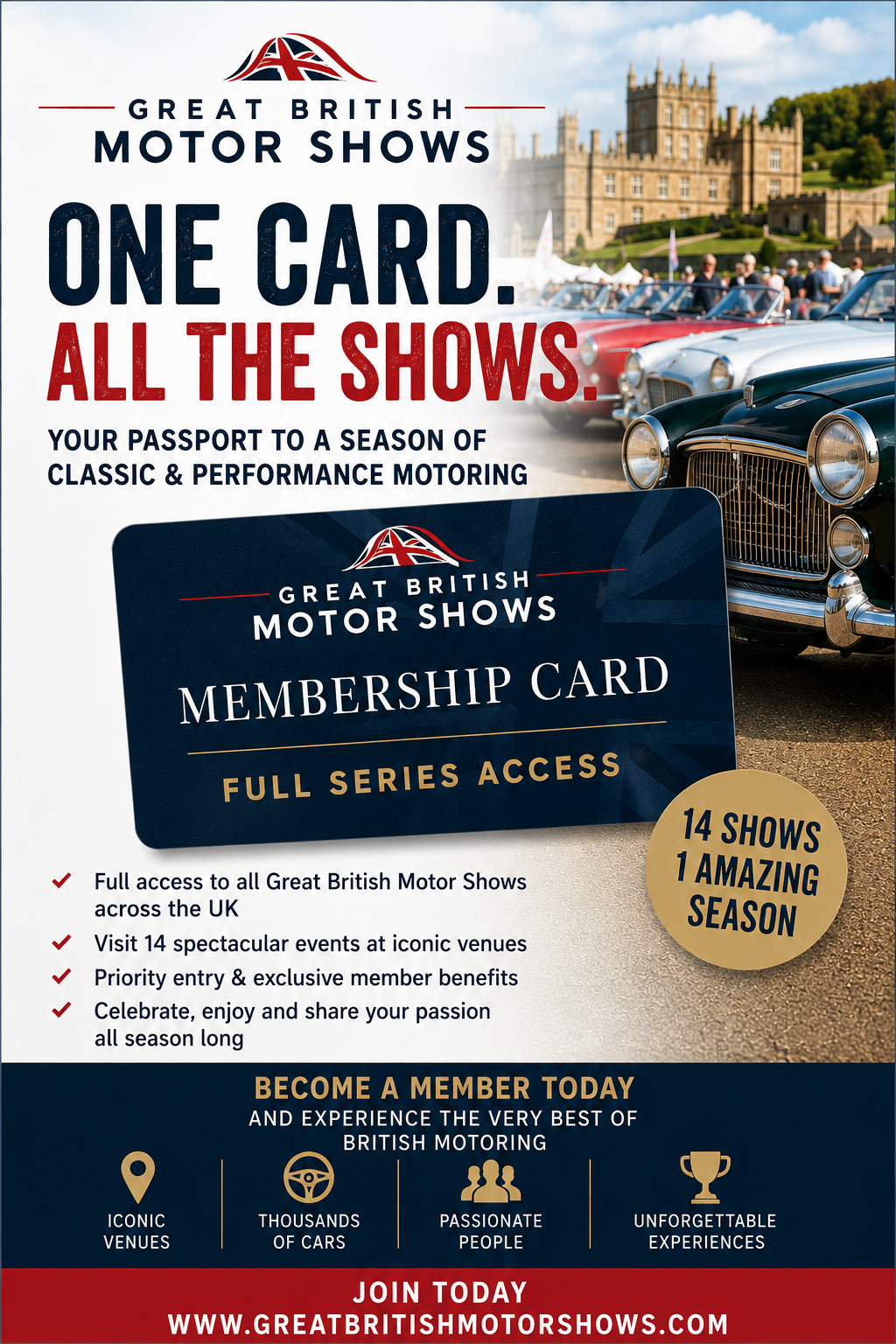
A strong event calendar helps too. When organisers build shows around standout venues, quality displays and broad enthusiast appeal, they turn one-off visits into annual traditions. Great British Motor Shows understands that formula well, especially for visitors who want more than a quick wander past parked vehicles.
If a classic motorcycle show catches your eye this year, go properly. Give yourself time, ask questions, look closely and enjoy the details that never come across in a photograph. The right show does not just remind you why these bikes mattered – it makes you want to see where the next event is happening.