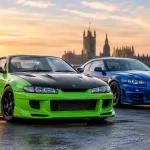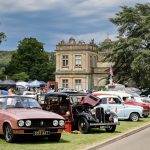

A great car deserves more than a row of cones in a supermarket car park. Put a line-up of classics, modified builds, motorcycles and supercars against the backdrop of a country estate, historic hall or destination park, and the whole day feels bigger. That is why a strong venue partnership activation example is about far more than hiring a field. It is about creating an occasion that visitors want to book, exhibitors want to join and both partners want to repeat.
For a motoring show, the venue is part of the ticket. Its gates, grounds, architecture, parking layout and local reputation all shape the first impression before an engine has even fired up. The best partnerships turn those assets into real reasons to attend, while giving the venue a valuable audience, fresh content and a memorable day in its annual calendar.
What makes a venue partnership work?
A venue partnership is strongest when it has a shared purpose rather than a simple commercial transaction. The show organiser needs a safe, attractive and practical site. The venue needs a professionally run event that respects the grounds, brings in visitors and adds to its reputation. Both sides should be able to explain, in one clear sentence, why the event belongs there.
For example, a heritage estate with sweeping lawns, a long driveway and an existing family visitor base is a natural home for a classic and prestige motoring gathering. The show gives the estate a new reason for enthusiasts to visit. In return, the estate provides the visual setting that elevates a collection of vehicles into a proper day out.
It depends on the venue, of course. A working race circuit may be better suited to performance cars, track-focused clubs and live demonstrations. A town-centre venue can create footfall for local businesses but will bring tighter access, noise and parking constraints. The point is not to force every show into the same format. It is to build the activation around the character of the site.
Venue partnership activation example for a heritage show
Imagine a regional motor show held at a historic country estate. The organiser brings a broad mix of classic cars, American vehicles, motorcycles, modified builds, sports cars and supercars. The venue contributes landscaped grounds, a recognisable entrance, café facilities and a setting that appeals to families as much as committed enthusiasts.
The activation begins well before show day. Both partners announce the event through their own channels, using the estate’s heritage and the show’s vehicle highlights as one story. Rather than publishing two disconnected messages, the campaign positions the event as a special motoring weekend at a destination worth travelling for.
Photography matters here. A beautifully restored Jaguar, a row of Japanese performance icons or a hand-built café racer looks even more compelling when photographed on the estate drive or against a historic façade. Those images give the organiser stronger ticket content and give the venue useful material that reaches an audience it may not normally engage.
On the day, the partnership becomes visible. Branded welcome signage directs visitors from the entrance to parking, ticket scanning and show zones. A dedicated heritage display sits where the setting does it justice, while family attractions, food traders and retail stands are placed to encourage visitors to explore the wider site. The venue’s café or hospitality offer can be promoted as part of the experience, not hidden as an afterthought.
A simple show map can help visitors make the most of both partners’ offer. It might point out vehicle displays, club stands, food areas, the venue’s gardens or house access, trader rows and any demonstration area. This is particularly useful at larger locations, where visitors can otherwise see only one section before heading home.
The event can also create a moment that belongs specifically to the venue. That could be a concours-style lawn display, a best-in-show presentation on the main steps, a themed arrival parade down the drive or a members’ parking area near the entrance. It does not need to be expensive or overly theatrical. It needs to feel intentional and photograph well.
Make the audience part of the activation
The strongest motor shows give people more to do than walk from one parked car to the next. Vehicle quality will always be central, but interaction creates a longer stay, better memories and more reasons to return.
A venue partner can support this through its existing facilities and local knowledge. Perhaps the estate knows the best area for children’s activities, has a covered space for talks if the weather turns, or can introduce regional food suppliers that suit the event. The show organiser, meanwhile, knows how to build a programme around enthusiasts: club displays, restoration stories, specialist traders, judging, guest vehicles and category-led showcases.
For visitors, this should feel easy rather than over-programmed. A family may arrive for a relaxed Sunday out, while a collector wants time to inspect rare cars and speak to owners. Good zoning allows both. Give the high-value display cars room to breathe, keep pedestrian routes clear, and place food, seating and facilities where they reduce queues rather than create bottlenecks.
There is also an opportunity to reward participation. A venue member offer, advance ticket incentive or pre-booked vehicle display pass can encourage earlier commitment. Car clubs can be given a designated arrival window and a well-marked display area, helping the site run smoothly while making members feel genuinely welcomed.
Commercial value without clutter
Partnership activation needs to produce value, but it should never make a prestigious venue or a quality vehicle show feel overloaded with logos. The most effective commercial elements are useful to the visitor.
A sponsor could support the show map, a vehicle category, the main stage or a family activity area. A local dealer might bring a new model display that sits naturally alongside modern performance cars. An insurance specialist, restoration business or detailing brand can add relevant expertise for owners and enthusiasts. Each partner should have a clear role, suitable placement and an agreed way to measure results.
For the venue, revenue may come through a site fee, food and beverage sales, parking, premium hospitality, shop purchases or a share of ticket income. For the organiser, success is measured through ticket sales, exhibitor demand, trader bookings, partner income and the likelihood of a return date. These priorities are compatible, but only if they are discussed early.
It is worth agreeing the practical details in writing: access times, vehicle movement, ground protection, wet-weather contingencies, security, waste, noise limits, staffing responsibilities and cancellation terms. A show can look effortless to visitors only because the operational planning behind it has been thorough.
Measure what actually mattered
A busy gate is encouraging, but it is not the only measure of a successful partnership. A venue and organiser should review the event together while the detail is still fresh.
Useful figures include advance versus on-the-day ticket sales, visitor postcode spread, dwell time, exhibitor rebookings, trader feedback, café takings where shared, social reach and the number of event images created by visitors. Feedback also reveals the things a spreadsheet will miss: whether parking was clear, whether the site felt crowded, and which displays people talked about on the way out.
This review is where a one-off booking becomes an annual fixture. If visitors loved the setting but queues built up at the entrance, the answer may be timed arrivals or a second scanning point. If clubs wanted more prominence, create a dedicated club avenue next year. If wet ground affected parking, revise the traffic plan rather than hoping for better weather.
Great British Motor Shows understands that the right venue does not simply contain an event. It gives the event identity. When organisers, venues, clubs and traders all pull in the same direction, visitors leave with more than photographs of impressive machinery. They leave feeling they have been part of a proper motoring occasion – and that is the reason they will watch for the next date, bring friends and return.