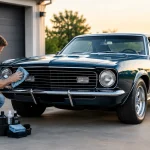

A great vehicle, product range or service only gets you so far at a busy motor show. The right guide to exhibitor stand planning helps people notice you among the chrome, carbon fibre and concours paintwork, then gives them a reason to stop, chat and buy. Whether you are displaying detailing products, artisan clothing, performance parts or a prized vehicle, your stand should feel like a worthwhile part of the show rather than a table placed at the edge of it.
The best stands have a clear point of view. They know who they want to meet, what they want visitors to remember and how the space needs to work from gates opening to the final pack-down. Start there, and the practical decisions become far easier.
Start with the job your stand needs to do
Before choosing banners, flooring or stock, decide what success looks like at this particular event. A trader selling automotive accessories may be focused on sales volume. A restoration business may care more about qualified enquiries and future bookings. A club could be aiming to recruit members, while a brand may simply want enthusiasts to experience a new product up close.
Those goals change the layout. If you need sales, make prices and payment points easy to find. If you need conversations, create enough clear space for people to pause without blocking the aisle. If you are displaying a vehicle, give it room to be admired from several angles and make sure the information beside it answers the questions people will ask first.
Be realistic about the audience as well. A heritage venue packed with classic car owners may reward craftsmanship, provenance and careful presentation. A performance-focused gathering may respond to demonstrable upgrades, bold imagery and knowledgeable product advice. There is often overlap, but the same stand should not try to speak to every kind of visitor at once.
Build your exhibitor stand plan around the visitor journey
At a motor show, visitors are constantly scanning. They are looking across lines of cars, traders, club displays and food stalls, often while moving with family or friends. You may have only a few seconds to signal what you offer.
Your branding should therefore be readable from a distance. Put your business name or main message high enough to be seen over people, keep colours consistent, and avoid cramming every available surface with text. A strong logo, one compelling image and a short statement of what you do will usually work harder than six competing messages.
Once a visitor reaches the stand, give them a natural next step. This might be a featured product at the front, a show-only offer, a vehicle information board or a knowledgeable team member ready to start a genuine conversation. The front edge is not storage space. It is your invitation.
Then think about what happens when the stand gets busy. Keep a simple route through the space so browsers do not feel trapped and staff can move easily between stock, customers and payment equipment. On a smaller pitch, this may mean displaying fewer products with more confidence. A crowded stand can look successful, but a cluttered one makes it difficult for people to engage.
Give the hero item breathing room
Every memorable stand has a focal point. It could be a freshly restored Mk1 Escort, a carefully curated rack of motoring apparel, a new ceramic coating range or a striking piece of engineering. Choose one main attraction and arrange the surrounding display to support it.
For vehicle exhibitors, leave enough room around the car or bike for photographs and viewing. Position it with the best angle towards the main visitor flow, while avoiding glare on glass and paint where possible. If a bonnet-up display or open cockpit adds to the story, use it – but only where it remains safe, secure and permitted by the event rules.
For traders, lead with your strongest-selling or most visually interesting lines, not every item you brought. Reserve additional stock for the back of the stand or vehicle, then replenish as the day develops. It keeps the presentation tidy and gives your team space to work.
Plan for the venue, weather and show-day reality
An exhibitor stand is not designed in a showroom. It has to perform on grass, hardstanding or inside a hall, sometimes through bright sunshine, a sudden shower and a brisk crosswind in the same afternoon. Check the event information carefully before finalising your setup, including pitch size, access time, vehicle restrictions, power availability, ground conditions and any rules on gazebos, flags or generators.
Outdoor events need proper preparation. A gazebo can offer welcome shelter, but it must be secured safely and should not dominate the display. Use suitable weights, not improvised solutions, and make sure ropes or edges do not create trip hazards. Protect stock from damp ground with flooring, tables or raised storage. Bring covers for vulnerable items and clear signage that will not curl or blow away.
Indoor space creates different considerations. Lighting may be kinder than direct sun but less forgiving of poor display choices. Test reflective surfaces, screens and product labels under the expected conditions. Keep cables managed and ask early about power requirements. If you are demonstrating equipment, consider whether sound, queueing and ventilation restrictions will affect the plan.
Arrive with a layout you can actually build within the allotted time. Mark out zones in advance: display, selling area, storage and staff belongings. The quickest setup is usually the one that has been rehearsed in a driveway, workshop or unit beforehand. You do not need a full dress rehearsal for every show, but you should know what goes up first and where every box belongs.
Make it easy for people to buy and follow up
Enthusiasts enjoy talking cars, and those conversations are part of the point. But a friendly, well-informed chat should not make purchasing feel awkward. Show prices clearly where appropriate, keep popular products accessible and have enough bags, receipt supplies and charged card terminals for the expected footfall.
Cash still appears at events, but do not rely on it. A dependable card payment option is essential, ideally with a backup plan if signal is weak. If you take orders for later delivery, capture names, vehicle details and contact information accurately. A handwritten scrap of paper after a long day is an easy way to lose a valuable lead.
For higher-value services or specialist products, give visitors something useful to take away. A concise printed sheet, care guide or booking card works well when it explains the next action clearly. Avoid the temptation to hand out generic leaflets to everyone passing by. A smaller number of relevant follow-ups is more valuable than a bag full of paper that never leaves the car boot.
Staff the stand with people who enjoy the conversation
The person behind the table is as visible as the banner. Staff should know the products, prices, stock availability and the basic story behind any featured vehicle. They should also know when to let a visitor browse. An enthusiastic welcome is brilliant; hovering over every person who glances at a display is not.
Plan breaks before the day begins. A stand that needs two people should not be left unattended while both grab food or walk to the facilities. Keep personal items out of sight, maintain a tidy counter and make sure someone can answer enquiries even during the busiest periods.
Use show offers with purpose
A show special can create momentum, particularly when visitors know it is available only on the day. It does not always have to be a discount. Free fitting advice, a small added accessory, a priority booking slot or a bundle that suits a particular type of owner can feel more valuable than cutting the price.
The trade-off is margin and clarity. Do not create a complicated offer that staff cannot explain or customers cannot compare. One strong, visible promotion is enough for most stands. If you are offering a limited quantity, say so honestly and track it throughout the day.
For businesses attending several events, make notes after each one. Which products drew people in? Which questions came up repeatedly? Did visitors photograph the display, ask for appointments or buy on the spot? Great British Motor Shows brings together different corners of the motoring community, so the lessons from one event can help you fine-tune your pitch for the next.
The final pre-show check
In the week before the event, check four areas rather than relying on memory:
- Presentation: banners, signs, price cards, display stands, cleaning materials and a plan for keeping the space tidy.
- Selling tools: card reader, charger, cash float if needed, bags, receipts, order forms and a tested connection option.
- Practical kit: gazebo weights where permitted, flooring, covers, tape, cable protection, tools, bins and weather-appropriate clothing.
- Stock and people: counted inventory, secure storage, vehicle documents where relevant, staff timings, travel plans and emergency contacts.
Load the vehicle in reverse setup order where possible, so the first equipment you need is the first equipment you can reach. It is a small detail that makes an early start at a busy venue much less stressful.
A well-planned stand does more than generate a day’s takings. It puts your name, your knowledge and your passion in front of people who care about motoring as much as you do. Make it easy for them to see what you are about, give them a reason to stop, and the right visitors will remember you long after the engines have gone quiet.