
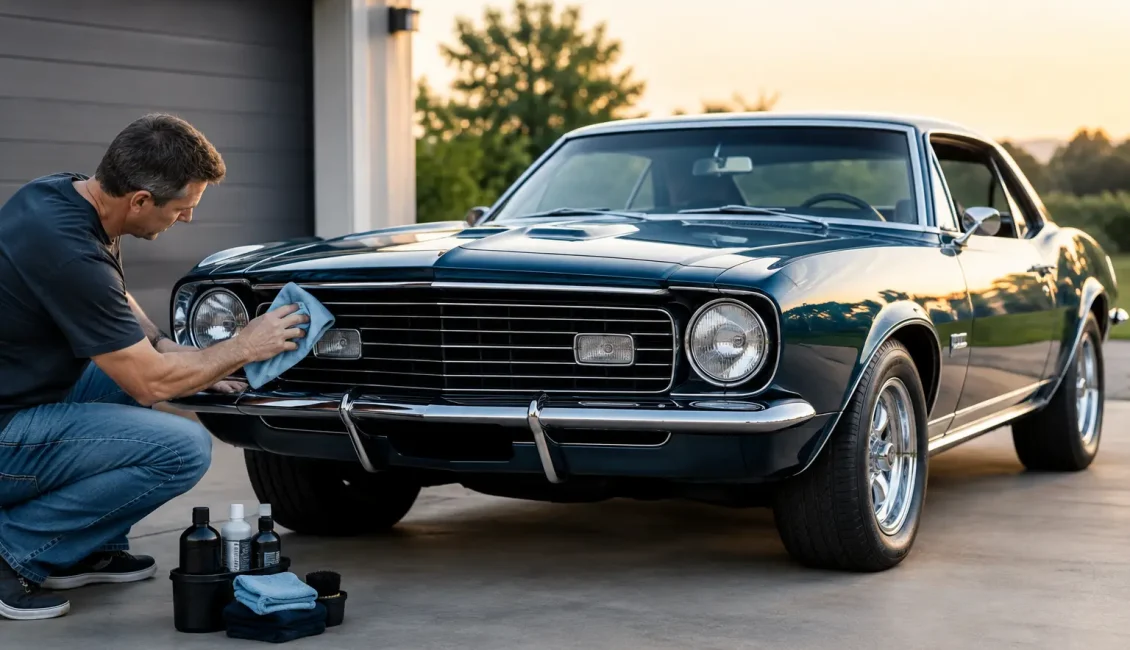
A show field can be an unforgiving place for a classic. Morning dew finds tired paintwork, low sun reveals every smear on the glass, and fellow enthusiasts will spot the details you meant to sort next winter. Knowing how to prepare a classic vehicle for show is not about creating an over-restored museum piece. It is about presenting a car, bike or commercial vehicle with pride, honesty and the character that made you bring it along in the first place.
Start preparing your classic vehicle for show early
The best display-day preparation begins several days before the event, not on the drive at 6am. Give yourself time to clean, inspect and address small jobs without rushing. A last-minute polish can look good from a distance, but it will not cure flat tyres, a sticky bonnet catch or an oil drip that appears just as visitors gather around.
Think about the condition your vehicle is meant to represent. A beautifully preserved, genuinely used 1960s saloon should not be made to look like it has just left a concours restoration. Equally, a freshly rebuilt sports car deserves paintwork and trim that match the effort beneath the bonnet. Originality, patina and sensible upgrades all have a place at a motoring show when they are well presented and clearly cared for.
Give it a proper mechanical once-over
A show vehicle still has to get to the venue and home again. Check fluid levels, tyre pressures, battery condition, lights, wipers and the horn before cleaning begins. Look underneath for fresh leaks, inspect coolant hoses and belts, and make sure the spare wheel or puncture repair kit is usable.
If the car has been sitting for weeks, take it for a short local run before show day. Listen for changes, confirm that the brakes feel right and let it reach temperature. It is far better to find a fuelling issue or a reluctant starter on your own drive than in an arrival queue at a historic venue.
Deal with the details visitors notice
A clean exterior matters, but the close-up details create the lasting impression. Clean the glass inside and out, including the corners around the seals. Wipe door shuts, number plates, mirrors, lamp lenses and wheel arches. Remove old parking tickets, empty bottles and loose tools from the cabin.
Open the bonnet and assess the engine bay honestly. It need not look factory-new, particularly on an unrestored vehicle, but dust, leaf debris, loose wiring and oily fingerprints distract from an otherwise smart display. Use care around older paint, decals, electrical connections and delicate rubber components. Aggressive cleaners can do more harm than good.
Clean for the vehicle you have, not a concours fantasy
Classic finishes vary enormously. Original cellulose paint, modern two-pack resprays, chrome, polished alloy, vinyl roofs and hand-painted pinstripes all respond differently to cleaning products. Use methods you know suit your vehicle rather than trying a new compound the night before a show.
Wash from the top down with plenty of clean water and a soft mitt, then dry thoroughly around badges, trim and panel gaps. A quick detailer may lift light dust on the morning of the event, but do not use it to disguise a poorly prepared surface. If the paint has heavy oxidation or scratches, correcting it properly may be a job for another weekend.
Wheels, tyres and brightwork
Wheels often make the biggest visual difference. Clean the faces, inner rims and wheel nuts, then dry them before applying any suitable protection. Avoid spraying tyre dressing onto tread, brake components or the ground. A subtle, clean tyre sidewall usually looks better than an overly glossy finish on a period vehicle.
Chrome and stainless trim reward patience. Use a gentle metal polish where appropriate, but do not chase every mark from original parts. Fine pitting is often part of a vehicle’s history, while hard polishing can thin old plating or leave residue in badges and seams. For aluminium and magnesium wheels, use products intended for the material and work carefully.
Make the cabin part of the display
The interior is where visitors connect with a classic vehicle. Vacuum carpets and seats, clean the dashboard and instrument glass, and wipe the steering wheel, gear knob and door cards. Leather may need a light feed, while older vinyl can benefit from a gentle clean rather than a slippery dressing.
Check that any paperwork, tax discs, period accessories or display items are appropriate and secure. A handbook, old photograph or restoration record can prompt a good conversation, but avoid filling the cabin with clutter. Let the vehicle speak first.
Prepare for arrival, weather and the show field
British weather has a habit of becoming part of the event, so pack with that in mind. A microfibre cloth, glass cleaner, small bottle of detailer, tyre pressure gauge, basic tools, cloth gloves and a spare fuse can save the day. Add waterproofs for yourself and a discreet cover if your vehicle needs one before the gates open.
For a longer journey, carry essentials for roadside reassurance: coolant or water where suitable, engine oil, screenwash, warning triangle where appropriate, and any specialist items your vehicle genuinely needs. Do not bring a full workshop unless you are prepared to store it out of sight. A tidy pitch makes the vehicle feel more special.
Plan the journey, not just the polish
Check your event information in advance for arrival windows, exhibitor entry instructions and any display requirements. Leave enough time for a steady journey, a fuel stop and a final wipe-down after parking. Classic engines do not always enjoy being hurried through traffic, and a relaxed arrival puts you in a better frame of mind to enjoy the day.
If rain is likely, do not panic. A wet car can still look excellent if it is clean, well maintained and dried when the weather allows. Keep a cloth handy for seats, glass and chrome, and avoid repeatedly wiping gritty paintwork. In hot weather, park thoughtfully where possible and avoid leaving cleaning chemicals or valuable trim items in direct sun.
Set up a display people want to stop for
At a Great British Motor Shows event, the appeal comes from the variety of vehicles and the stories behind them. Once parked, take a few minutes to straighten the wheels, remove litter and position your vehicle as the organisers request. If you have a club stand, work together on spacing so every car has room to be appreciated.
A simple information board can be worthwhile, particularly for unusual models, rare variants or long-term restorations. Include the year, model, engine and a short note on why the vehicle matters to you. Keep it readable and factual. Visitors enjoy hearing that a car has been in the family for 30 years or survived a demanding rebuild, not a page of specifications in tiny print.
Be available, but enjoy the day
You do not need to stand beside the vehicle every minute, yet a friendly owner transforms a static display into part of the show. Expect questions about restoration costs, reliability, fuel consumption and whether you would ever sell it. Some visitors will know the model inside out; others will simply remember seeing one when they were young. Both are part of the atmosphere.
Respect the boundaries around your vehicle without making the display feel unwelcoming. Keep keys secure, do not leave valuables visible and politely guide people away from leaning on paintwork or sitting inside. Most visitors are considerate, especially when owners set the tone.
The final 15-minute check
Before the public arrives, walk around the vehicle slowly. Look at it from a visitor’s height, then from a few metres away. Wipe fingerprints from glass and paint, check for drips beneath the engine, straighten number plates and make sure no cleaning cloths, bottles or tools have been left in view.
Most of all, remember why you brought it. A classic vehicle show is not a test of perfection. It is a chance to share engineering, design, memories and hard-won workshop hours with people who understand the appeal. Present it well, talk proudly about its story, and let the vehicle earn the attention it deserves.