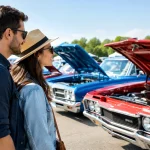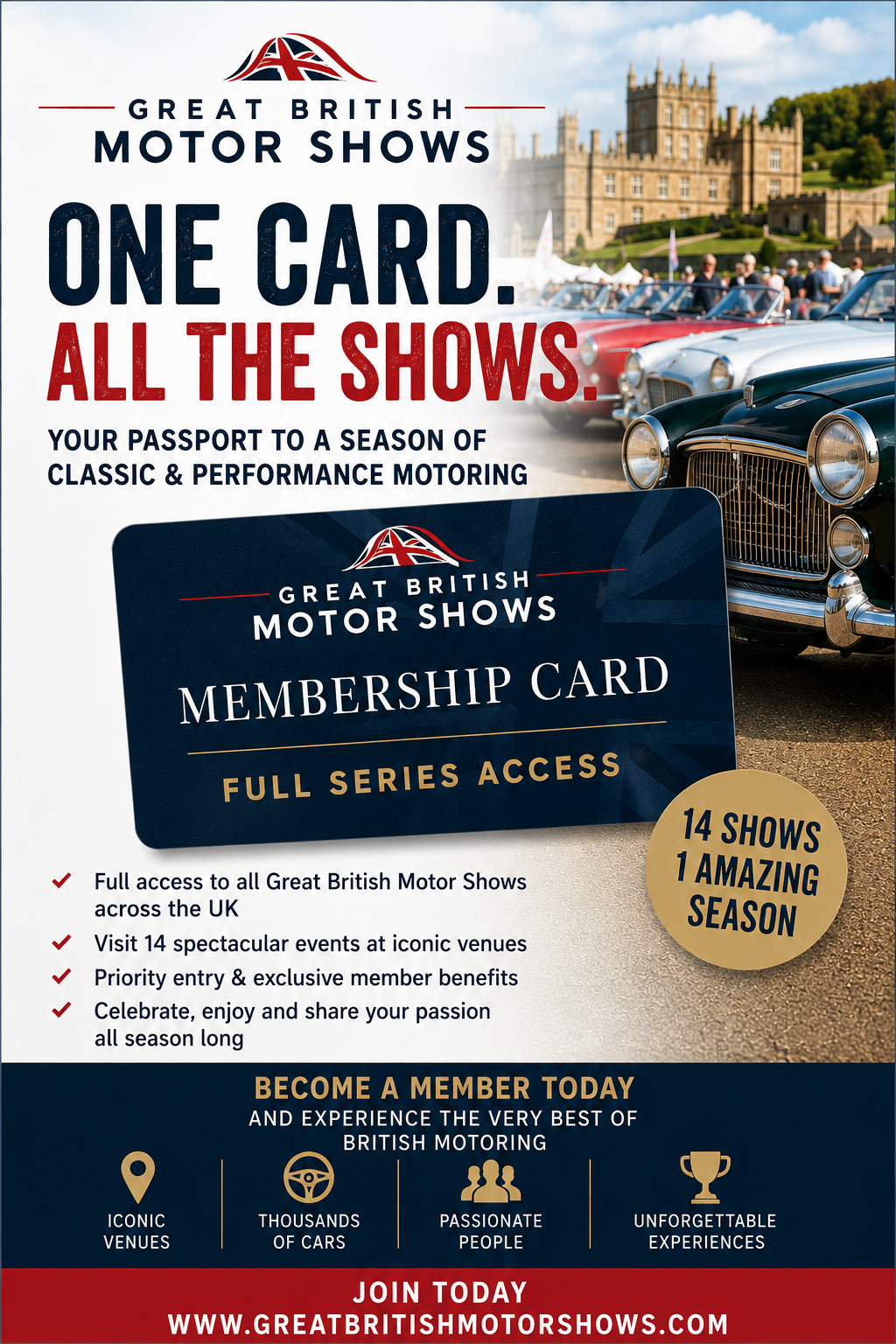

A packed showground tells you something straight away – people have made the effort to be there. They have travelled for the day, brought family or friends, and arrived ready to look closely, ask questions and spend time with brands that fit their interests. That is exactly why sponsorship opportunities at motor shows continue to attract serious attention from companies that want more than a logo on a banner.
For the right brand, a motor show is not just a marketing line in a quarterly plan. It is a live environment where heritage, performance, lifestyle and buying intent all meet in one place. You are not trying to interrupt someone scrolling on a mobile phone. You are part of the atmosphere, the experience and the conversations that happen around cars, bikes, builds and specialist products people genuinely care about.
Why sponsorship opportunities at motor shows matter
Motor shows bring together one of the most engaged audiences in live events. Enthusiasts do not turn up half-interested. They arrive with opinions, wish lists, stories, technical knowledge and, quite often, a willingness to buy. That creates a different kind of commercial value from broader events where footfall may be strong but relevance is weak.
The appeal is also in the range of audiences you can reach in one setting. A regional show can pull in classic car owners, performance fans, modified scene followers, club members, families, collectors and traders. For sponsors, that means access to multiple customer types without losing the central theme that makes the event feel coherent.
There is also the venue effect. When a show is staged at a heritage estate, a country park or a well-known destination site, the setting adds to the perception of the event and to the brands associated with it. That matters for premium positioning. A sponsor is not only seen by visitors. It is seen in the context of a well-produced day out that people remember.
What sponsors are really buying
A lot of businesses start by asking about signage, but the best sponsorship opportunities at motor shows go further than branding alone. Visibility matters, of course, yet the real value usually sits in a mix of presence, participation and association.
Presence is the obvious part. Your brand appears on site, in show materials and across pre-event promotion. Participation is where things become more useful. That might mean demonstrating a product, hosting a feature area, supporting a vehicle category, running a competition or creating a touchpoint that visitors actively choose to engage with.
Association is the longer play. A sponsor becomes part of how people remember the show itself. If your brand helps power the supercar paddock, supports the live arena, backs a club zone or presents a concours-style display, you borrow some of the energy and credibility of that feature. Done well, it does not feel forced. It feels like a natural fit.
The best types of brands for motor show sponsorship
Not every sponsor needs to be an automotive manufacturer. In fact, some of the strongest partnerships come from businesses that sit around enthusiast culture rather than at its centre. Insurance providers, finance companies, detailing brands, tool specialists, tyre firms, lubricants, garages, transport services and automotive retailers are obvious candidates because the audience match is immediate.
But there is room beyond the direct motoring sector. Premium food and drink brands, lifestyle names, workwear companies, travel businesses, audio brands and local commercial partners can all work well if the activation makes sense. The key is credibility. Show visitors can spot irrelevant sponsorship a mile off. If a brand feels bolted on, interest drops quickly.
That is why the strongest partnerships usually begin with audience fit rather than budget size. A smaller sponsor with a clear place in motoring culture may achieve more than a bigger brand that simply wants exposure without understanding the crowd.
Formats that deliver real value
There is no single package that suits every sponsor. Some brands want broad event-wide visibility, while others want to own a specific feature. It depends on objectives, budget and how much activation resource the sponsor is prepared to commit.
Headline event sponsorship
This is the highest-profile route and suits brands that want scale, repeated mentions and strong visibility across event promotion. It can include naming rights, premium branding on site, inclusion in campaigns and a central role in the event identity. The upside is reach and status. The trade-off is cost, and it only makes sense if the event audience is firmly in your target market.
Feature and zone sponsorship
For many brands, this is the sweet spot. Sponsoring the classic enclosure, performance display, bike section, live stage or family area allows a partner to align with a clearly defined audience segment. It is often more targeted than a broad event sponsorship and can feel more authentic, especially if the sponsor has a natural connection to that category.
Experiential activation
If your product benefits from being seen, touched, sampled or demonstrated, live activation can outperform passive branding. A detailing company can show finish quality. A parts brand can explain fit and function. A finance or insurance partner can hold practical conversations face to face. The point is simple – if the audience can experience your value on the day, recall tends to be stronger afterwards.
How to judge whether a show is the right fit
A well-run event is worth far more than a crowded one with no structure. Sponsors should look beyond headline attendance and ask better questions. What kinds of vehicles are on display? What is the audience mix? Are there clubs, traders and enthusiasts who match your customer base? What is the venue like, and what does it say about the event positioning?
Regional strength also matters. A sponsor with strong dealer coverage in the Midlands may see greater return from a show with local relevance than from a larger event further away. Geography is not just about travel. It affects post-event sales follow-up, local awareness and who is realistically able to convert.
Promotion is another factor. Good motor shows build momentum before the gates open. Social campaigns, email marketing, exhibitor updates and partner exposure all help sponsors get value before event day itself. If the organiser only starts talking once vehicles arrive on site, that limits what a sponsor can gain.
Making sponsorship work on the day
Even the best package can underperform if the activation is flat. Visitors respond to energy, clarity and relevance. If your stand looks unstaffed, your messaging is vague or your team cannot speak confidently about the product, interest disappears quickly.
The strongest on-site sponsorships feel like part of the event, not a separate sales pitch. Staff who understand motoring culture make a real difference. So does a clear offer. That might be a competition, product launch, expert advice point, exclusive event pricing or a display that gives people a reason to stop.
It also helps to think beyond immediate sales. Some sponsors want leads, others want trial, content capture or brand familiarity. A business selling high-value services may not close deals at a show, but it can begin conversations with exactly the right audience. Success should be measured against the right goal, not just footfall at the stand.
Why long-term partnerships usually perform better
One-off sponsorship can work, especially for a launch or local campaign, but repeated presence tends to deliver stronger results. Visitors begin to recognise a brand across the season. Trust grows. The association with the event becomes more established, and the sponsor has time to refine what works.
This is where a strong event calendar becomes valuable. Brands can test one show, learn from it and build a broader presence over time. A business that appears consistently at quality regional events is often seen as part of the enthusiast scene rather than a temporary advertiser. That shift in perception can be commercially powerful.
For organisers, long-term sponsors also help raise the overall event experience. Better-supported features, stronger attractions and more polished visitor touchpoints benefit everyone on site. It is a partnership model rather than a simple media buy, and that usually leads to better outcomes on both sides.
Sponsorship opportunities at motor shows for growth-minded brands
The most effective sponsorship opportunities at motor shows are not built on visibility alone. They work because they put brands in front of people who care, in settings that feel aspirational, social and memorable. That mix is hard to recreate elsewhere.
For businesses that want engaged audiences, credible brand association and the chance to connect face to face, the appeal is obvious. A well-matched motor show gives sponsors room to tell their story properly, whether that story is about craftsmanship, performance, heritage or everyday practical value.
At Great British Motor Shows, that is exactly what makes live events such a strong commercial platform. When the right vehicles, venue, crowd and atmosphere come together, sponsorship becomes more than presence. It becomes part of the reason people remember the day.
If you are considering where to put your brand in front of real enthusiasts this season, start with the audience, choose the right environment and build something visitors will actually want to engage with.