
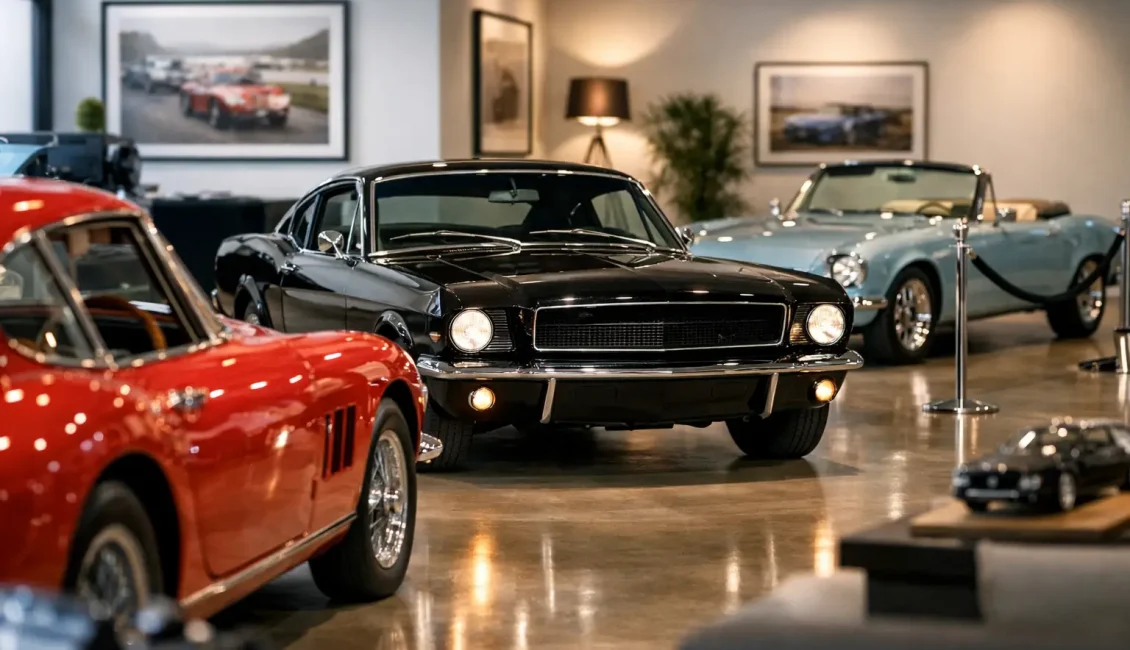
A brilliant car can still get overlooked if the display lets it down. At any busy showground, visitors are taking in rows of classics, performance icons and rare builds in quick succession, so the strongest displays are the ones that tell the story of the car clearly and confidently. These collector car display tips are about doing exactly that – giving your vehicle the presence it deserves without turning the stand into a distraction.
Why presentation matters as much as the car
A strong display does two jobs at once. First, it catches the eye from a distance, which matters when your car is one of hundreds on the day. Second, it rewards people who step closer by giving them context, detail and a reason to remember it.
That does not mean every car needs a full concours setup. Some vehicles suit a polished, formal presentation, especially a restored classic with period-correct details. Others look better with a slightly more relaxed approach, particularly if the appeal is originality, patina or motorsport heritage. The trick is matching the display to the car rather than using the same formula for everything.
Collector car display tips for making an impact
Start with the story you want to tell
Before you pack a single prop, decide what makes your car worth stopping for. It might be rarity, a family ownership story, a meticulous restoration, low mileage, period racing history or an unusual factory specification. Once you know the headline, every display choice becomes easier.
Visitors do not need your car’s entire life file laid out on a table. They need the key points quickly. If the car is one of only a handful in the UK, say so. If you rescued it from a barn and spent five years bringing it back, that is worth sharing. A display works best when it gives people a clear hook within seconds.
Keep the information board short and readable
The show card is often the first thing people read, and it is where many otherwise excellent displays go wrong. Too much text, tiny fonts and overly technical wording can stop people engaging altogether. Think of it more like a conversation starter than a full archive.
Include the essentials such as make, model, year and engine, then add two or three interesting facts that bring the car to life. If there is a restoration story or notable provenance, keep it concise. Larger text, clean spacing and a straightforward layout will always outperform a cluttered board, especially at outdoor events where visitors are moving constantly.
Present the car at its best angle
How the car sits within the space matters more than many owners realise. If the organisers allow room, angle the car slightly so the front three-quarter view is visible. That is usually the most flattering perspective for everything from pre-war classics to modern supercars. It gives shape, stance and detail in one glance.
It is also worth thinking about what visitors will photograph. A display that looks smart in person but awkward in pictures misses a big opportunity. Clean lines around the vehicle, a tidy backdrop and enough space to view the car properly all help it stand out on the day and beyond it.
Avoid over-dressing the display
Props can add character, but only when they support the car rather than compete with it. A period suitcase set, vintage motoring accessories or era-correct signage can work beautifully with the right classic. Fill the stand with too many extras, though, and the focus disappears.
This is especially true with highly detailed or rare vehicles. If the paint, trim, wheels or engine bay are the star attractions, keep everything around them restrained. The best collector car display tips often come down to editing. Just because you can bring six props does not mean you should.
Practical details visitors notice immediately
Clean beyond the obvious
Every exhibitor knows to wash the bodywork, but the standout cars are the ones that look finished everywhere. Door shuts, glass edges, wheel arches, tyre walls, exhaust tips and boot areas all get noticed. If the bonnet is going up, the engine bay needs the same attention as the paint.
There is a balance to strike here. A concours-level finish is ideal for some cars, but not every vehicle should look clinical. An unrestored survivor can still be immaculately presented without scrubbing away its character. Cleanliness should show care, not erase authenticity.
Think about the ground beneath the car
The surface under your vehicle frames the whole display. On grass, a neat mat can define the stand and make the car feel more deliberate. On hardstanding, it can add contrast and help the display look complete. It also protects against drips and gives loose items a proper place.
That said, the mat needs to suit the vehicle. A loud branded floor covering under a subtle British saloon can look misplaced, while a simple dark mat under a race-inspired car often sharpens the whole setup. Keep it smart and avoid anything that curls at the edges or looks worn.
Use barriers only if they help
Ropes, stanchions and low barriers can protect valuable paintwork, but they are not always necessary. If the event is busy and the car is rare, fragile or freshly restored, a subtle barrier can be sensible. If the stand has plenty of space and the atmosphere is relaxed, it may just create distance between the car and the audience.
People connect more with a vehicle when they feel invited to study it properly. The ideal setup protects the car without making it feel untouchable. Low-key and tidy usually works better than anything that looks heavy-handed.
Build a display people want to engage with
Add one personal touch
The cars people remember are often the ones with a human story attached. A single framed period photo, an image from the restoration or a short note about how long you have owned the vehicle can turn casual interest into a proper conversation. It reminds visitors that collector cars are not just objects – they are passion projects, family heirlooms and pieces of motoring history.
This matters even more at public events, where not every visitor knows the finer points of a particular model. Personal context helps bridge the gap between dedicated enthusiasts and families simply enjoying a day out.
Be ready to talk, but let the car breathe
A good display includes the owner as well. Friendly conversation brings a stand to life, especially when someone asks a question that the information board cannot answer. If you are exhibiting, being present and approachable adds real value to the experience.
At the same time, avoid hovering over every visitor. Give people room to take the car in, read the board and have their own reaction before you step in. The best show stands feel welcoming rather than sales-driven.
Prepare for British weather
Outdoor shows in the UK always come with an element of chance. Bright morning sunshine can turn into drizzle by lunchtime, and your display should be ready for both. Bring microfibre cloths, quick-detail spray, a cover if appropriate and somewhere discreet to keep essentials out of sight.
Weather also affects printed materials. Laminated cards or neatly protected boards are worth the effort, because a curling sheet of paper on a damp afternoon can make the whole display look tired. Smart preparation keeps the car looking its best all day.
Matching the display to the event
Not every event calls for the same style of presentation. At a large public motor show, where there is a huge mix of vehicles and footfall is constant, clarity and visual impact matter most. At a club stand, the display can lean more into detail and shared knowledge because visitors are more likely to understand the model’s background already.
Venue matters too. A collector car displayed at a heritage estate or stately setting often benefits from a cleaner, more elegant setup, while a motorsport-themed event may suit a bolder, more mechanical feel. If you are attending a Great British Motor Shows event, it is worth thinking about how your car sits within the wider atmosphere of the venue and the crowd it will attract.
The mistakes that flatten a great display
The most common issue is clutter. Too many props, too much text and too many cleaning products left in view can make even a special car feel disorganised. The next problem is inconsistency – for example, a beautifully prepared vehicle paired with a tatty sign or a thoughtful display spoiled by poor spacing.
Another mistake is trying to impress everyone with technical detail alone. Some visitors will love engine codes, production numbers and trim references. Others simply want to know why this car matters. A strong display gives both groups something to enjoy without overwhelming either of them.
If there is one principle that ties all collector car display tips together, it is this: make the car easy to admire. Let the presentation support the story, keep the details sharp, and create a stand that feels considered from the first glance to the last photograph. When you get that balance right, your car does not just fill a space – it becomes part of the day’s talking points.