A spotless engine bay helps, but it will not rescue a car that feels unfinished from ten paces. At a live event, people take in the whole picture in seconds – stance, body lines, wheel fitment, paint condition, interior detail and the way the owner presents the story behind the build. That is why a proper modified vehicle showcase guide matters. If you want your car to turn heads at a regional motor show, the smartest approach is not just more parts. It is better presentation.
What makes a modified vehicle showcase work
The strongest modified displays have a clear identity. You can usually tell within moments whether a build is focused on period tuning, modern performance, track-day function, OEM+ subtlety or pure show-car theatre. That sense of direction matters because visitors respond to cars that feel thought through rather than simply expensive.
A good showcase build does not have to be the wildest car in the hall or on the lawn. In fact, some of the most memorable cars are the ones where every choice makes sense together. Wheel design suits the era, ride height complements the bodywork, the cabin carries the same theme as the exterior, and the finishing touches are consistent. If there is a trade-off, and there usually is, the car wears it honestly.
That is where many owners get caught out. A car built for hard road use may not sit as low as a pure static display car. A turbo conversion might bring serious performance but leave the bay looking busier than a shaved and tucked show build. Neither route is wrong. The point is to understand what your car is trying to be and present it on those terms.
Start with the story, not the spec sheet
People at a motor show enjoy details, but they connect with intention. They want to know why you chose that platform, why you kept certain original features, why you changed others, and what stage the build has reached. That means the best showcase often starts before the event, with a bit of honesty about the car.
If your build is still in progress, own that. A clean, well-displayed project with a clear direction often gets more genuine interest than a supposedly finished car with obvious loose ends. If the car is complete, think about what defines it beyond headline parts. Plenty of visitors will admire a big brake kit or forged wheels, but they are just as likely to remember the retrimmed interior, a rare period accessory or the fact you have kept the car faithful to a particular era of tuning culture.
Presentation becomes much easier when you can explain the build in one sentence. It might be a nineties Japanese coupe restored with subtle period-correct modifications, a fast Ford built for road and weekend show use, or a modern hot hatch sharpened without losing everyday usability. That sentence gives shape to every detail visitors see.
Preparation is where standout cars separate themselves
The week before an event is not the time for ambitious last-minute changes unless you are absolutely certain they can be finished properly. A rushed fitment job, unaligned panels or warning lights glowing on arrival will undo months of good work. Reliability matters, even at a static display. Getting into the show smoothly, parking cleanly and being able to leave without drama is part of the impression your car makes.
Cleanliness is the obvious starting point, but show prep goes further than a wash and tyre shine. Paint should be decontaminated and protected if time allows. Glass needs to be spotless inside and out. Wheels should be properly cleaned, including inner barrels if they are visible. Door shuts, fuel flap recesses, exhaust tips and under-bonnet plastics all count because enthusiasts notice the areas most people ignore.
Inside the car, remove the everyday clutter that instantly breaks the display. Charging cables, old receipts, bottles of water, loose tools and muddy mats have no place in a show setting. If your boot build, audio install or air suspension hardware is part of the attraction, it needs to look deliberate and tidy. If the interior is not a feature, keep it simple and clean rather than overdressed.
A modified vehicle showcase guide to on-the-day presentation
Once you arrive, your car becomes part of a wider visual experience. Historic venues, open lawns and well-laid event spaces reward owners who think about how their vehicle sits in that environment. Positioning matters. If you have any control over how the car is parked, make sure the best angles are visible and that key details are not hidden.
Bonnet up or bonnet down depends on the build. If you have invested heavily in the engine bay and it is clean enough to justify the attention, opening it makes sense. If the exterior is the stronger side of the car, keep the bonnet shut and let the shape do the work. The same goes for boots and doors. Open everything only if each section adds to the display. A cluttered or half-finished area should not be invited into the conversation.
Display boards can help, but they work best when they are brief. Vehicle name, model year, major modifications and a short line on the build theme is plenty. Visitors are at a live event, not reading a catalogue. Give them enough to start a conversation, not a wall of text.
Your own presence matters too. Enthusiasts enjoy speaking to owners who are approachable and clearly proud of the car. You do not need a sales pitch. Just be ready to chat, answer questions and talk honestly about what worked, what did not and what is next. That openness is part of the community spirit that makes a good show memorable.
Detail beats excess every time
It is easy to assume more is better in the modified scene. Bigger wheels, louder colours, harder aero, more carbon, more power. Sometimes that works brilliantly. Sometimes it produces a car with no visual resting point and no clear identity. The best event cars usually show restraint somewhere.
That could mean choosing one standout feature and supporting it with cleaner supporting details. It could mean resisting the temptation to fit parts from three different styling schools. It could mean keeping badges, trim and cabin finishes consistent instead of chasing every trend at once. Visitors may not always explain why one car feels right and another does not, but they notice the difference.
There is also a practical side to restraint. Cars that can be driven to the venue, displayed with confidence and enjoyed without constant fuss often make stronger long-term show cars than builds pushed beyond sensible use. Plenty of owners learn that the sweet spot sits somewhere between dramatic and dependable.
Know your audience, but stay true to the build
Different shows attract different crowds. Some visitors want immaculate paint and polished metal. Others are drawn to rare parts, motorsport influence or nostalgic period style. That does not mean you should rebuild the car for each event. It does mean you should understand what people are likely to engage with and present those strengths clearly.
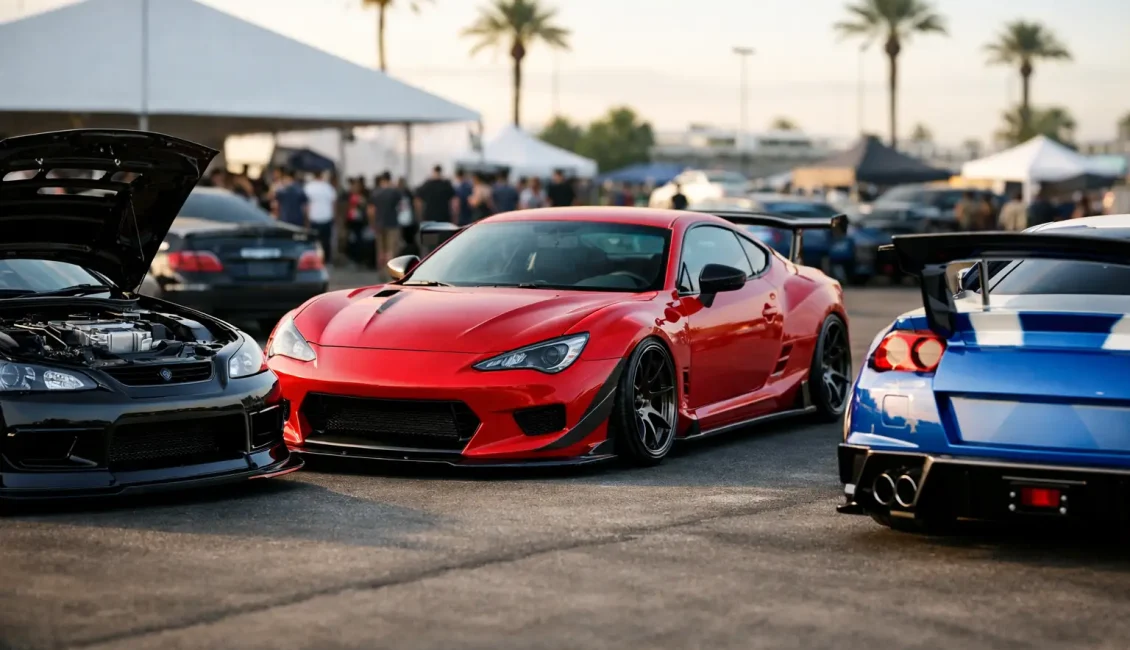
At broad enthusiast events, variety is one of the biggest attractions. A well-executed modified car earns attention when it feels authentic within that mix. A classic saloon on tasteful wheels can stand proudly alongside a modern performance coupe with a sharper edge. The appeal comes from quality, confidence and a build that knows what it is.
This is where event setting adds real value. At a well-curated venue, your car is not just parked in a field. It is part of a larger day out built around motoring culture, heritage and the shared thrill of seeing great machinery in person. Great British Motor Shows understands that atmosphere, which is why presentation and participation matter just as much as the specification itself.
Common mistakes that weaken a display
Most weak showcases fail in familiar ways. The car arrives dirty around the edges, unfinished underneath the obvious headline mods or overloaded with accessories that fight each other visually. Sometimes the problem is simpler: poor wheel fitment, cheap trim pieces, faded plastics or a cabin that has been forgotten.
Another common issue is trying to hide the build stage. Enthusiasts are usually very forgiving of honest project cars. They are less forgiving of cars presented as complete when the details plainly say otherwise. If the paint still needs correction or the interior is awaiting final trimming, say so. People respect progress when it is presented properly.
Finally, avoid treating the display as passive. A modified car on show is part visual statement, part conversation starter. If you engage with the event, the crowd and the atmosphere, your car tends to leave a stronger impression.
The real aim is not to chase approval from every corner of the scene. It is to present your build at its best, enjoy the day and contribute to the sort of show culture that keeps people coming back. Get the details right, be clear about the car’s identity and let the quality speak before the spec list does.