
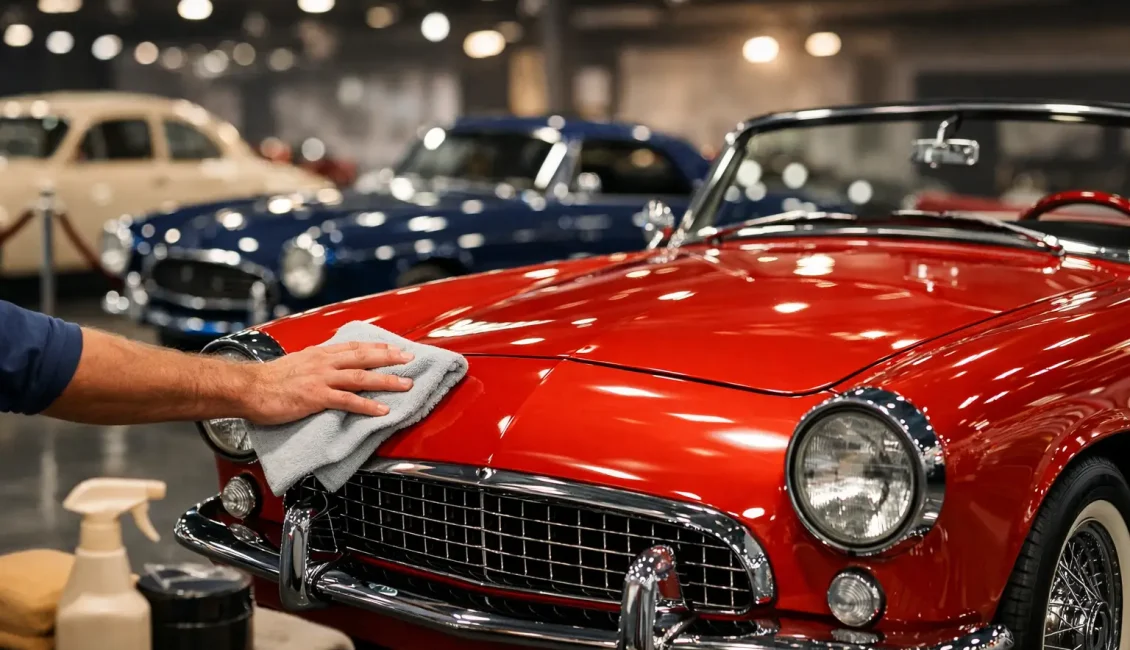
The gates are opening, the morning light is catching the chrome, and within minutes people will be leaning in for a closer look. That is exactly why knowing how to prepare classic car display entries properly matters. A strong display does more than show off a lovely vehicle – it tells the story of the car, respects the effort behind it, and helps you make the most of every event.
A classic car show is never only about paintwork. Visitors notice condition, of course, but they also notice presence. They remember the car that looked cared for, thoughtfully presented and ready for the occasion. Whether you are bringing a concours-standard machine, a well-used survivor or a recently finished restoration, good preparation gives your car the best chance to stand out for the right reasons.
How to prepare classic car display entries before show day
The biggest mistake is leaving everything until the night before. Even the cleanest classic can look flat at an event if the details have been rushed. Start a few days ahead, especially if the forecast is changeable or the journey to the venue is a long one.
Begin with the basics – wash, dry and inspect the car in proper daylight. This is when you spot the obvious issues: road grime behind the arches, fingerprints on brightwork, smeared glass, dusty dashboard tops and debris trapped in grilles or badging. A clean car is the foundation, but inspection is what lifts a display from decent to impressive.
After that, take a slower walk around. Look at panel gaps, tyre sidewalls, trim fit, number plates and any small items that may have shifted or loosened since the last outing. At a live show, people view the car from every angle and from much closer than they would in a car park. Tiny details become part of the impression.
Do not forget the interior. A spotless exterior paired with dusty carpets and cloudy instruments feels unfinished. Vacuum properly, wipe down surfaces, clean the inside of the glass and make sure the boot area is presentable if it may be opened during the event. If your classic has a period toolkit, luggage set or original handbook, those touches can add real character, provided they are clean and neatly arranged.
Focus on presentation, not just perfection
One of the best things about the classic scene is variety. Not every display car needs to be over-restored or polished within an inch of its life. Some cars are at their best with a bit of patina, visible history and honest wear. The key is to present the car intentionally.
That means deciding what story you want the display to tell. Is it a faithful restoration? A rare survivor? A long-term family-owned car with genuine history? A motorsport-inspired machine with strong period character? Once that is clear, your preparation becomes easier because every choice supports the same message.
If your car wears its years proudly, do not try to disguise every mark. Clean it well, tidy it carefully and let its authenticity do the talking. If the car is freshly restored, presentation should underline the quality of the work rather than bury it under gimmicks. There is a balance to strike. Too little effort looks careless, but too much can feel forced.
The engine bay matters more than most owners think
Many visitors will ask for a look under the bonnet, and judges or seasoned enthusiasts almost certainly will. The engine bay does not need to be sterile, but it should look maintained and coherent.
Start with a gentle clean suited to the age and condition of the components. Old wiring, decals and finishes can be delicate, so aggressive products are rarely worth the risk. Remove loose dirt, wipe accessible surfaces and pay attention to fluid residue, bulkhead corners and painted inner wings. If there are obvious leaks, fix them before the event if possible. At the very least, clean them and monitor the car on arrival.
This is also the time to check practical matters. Coolant, oil, battery security and hose condition are not display extras – they are part of getting there and back without drama. A brilliant-looking display loses its shine quickly if the car has to leave the field on a recovery lorry.
Bring the right paperwork and display material
If you want people to engage with the car, give them something to engage with. A simple display board can make a huge difference, especially when the model is unusual or the car has an interesting ownership story.
You do not need a museum installation. Clear, neat information is enough. Include the make, model, year and a short note on what makes the car special. That could be an original feature, a restoration detail, competition history or how long you have owned it. Keep it readable and avoid crowding the board with too much text.
Paperwork can add depth too. Old photographs, period brochures, restoration albums or copies of magazine features are all worthwhile if they are presented tidily and protected from the weather. Originals are better left at home unless you are confident they will stay safe and dry.
If the event has exhibitor paperwork, entry passes or windscreen labels, sort them well in advance. Nothing slows your arrival like rummaging through the glovebox at the gate while a queue forms behind you.
Pack for the last 10 per cent
Knowing how to prepare a classic car display properly means planning for what happens after you arrive. The journey will usually undo a little of your hard work. That is normal. The smart move is to bring a small finishing kit so you can reset the car once it is parked.
A microfibre cloth, quick detailer, glass cleaner, tyre dressing if appropriate, a soft brush and kitchen roll will cover most last-minute jobs. Add folding chairs, weather cover, sun cream, water and any event paperwork, and you will be in much better shape for the day.
It is worth packing with restraint. Too much clutter around the vehicle can spoil the look of the display, particularly at a smart venue. Keep your supplies tucked away and only bring out what you need.
Positioning your car on the field
Once you are in place, think like a visitor. How will the car be seen first? Which angle shows it best? Can the wheels be straightened? Is the display board visible without blocking the bodywork? Small adjustments can make the whole stand look sharper.
If you are displaying with a club or group, consistency helps. Similar spacing, tidy signage and a shared sense of presentation always lift a line-up. It makes the whole section feel purposeful and welcoming.
Weather, of course, can change the plan. On a very bright day, glare on the glass can hide the interior, while a damp field can throw muck onto lower panels as soon as people start moving around. That does not mean chasing perfection every ten minutes, but it does mean staying alert and giving the car a quick once-over during quieter moments.
How to prepare classic car display details for judging and public appeal
If your event includes judging, read the criteria beforehand rather than guessing. Some displays reward originality, others condition, others overall presentation. A beautifully restored car may not beat an exceptionally original example if authenticity carries more weight. It depends on the show, the class and the standard of the field.
For public appeal, accessibility matters. Be ready to chat, answer questions and share the story of the car. The best displays often attract a crowd because the owner is as welcoming as the vehicle is impressive. You do not need a sales pitch. A bit of enthusiasm and a few good anecdotes go a long way.
That said, decide your boundaries. Some owners are happy to open doors and bonnets regularly, while others prefer a more hands-off approach. Either is fine, provided it is handled politely and clearly. A classic car show should feel friendly, but your car and your comfort still come first.
Do not ignore the journey home
A display-worthy finish is satisfying, but reliability is part of the job. Before setting off, check fuel, fluids, tyre pressures and any known weak points. Bring a sensible emergency kit for the age of the car – basic tools, fuses, fluids and anything model-specific that has caught you out before.
There is no glamour in sitting on the hard shoulder because a simple check was skipped. The strongest displays are the ones that arrive calm, look superb all day and head home under their own steam.
If you are attending a larger regional event, where the mix of classics, performance cars and clubs creates a proper day-out atmosphere, that extra effort is always worth it. Cars that are prepared thoughtfully do not just photograph better – they become part of the occasion.
A great display is really a combination of care, planning and a bit of showmanship. Clean it well, present it honestly, think about the story it tells and leave room to enjoy the day. People remember the classics that look loved, not merely polished.