
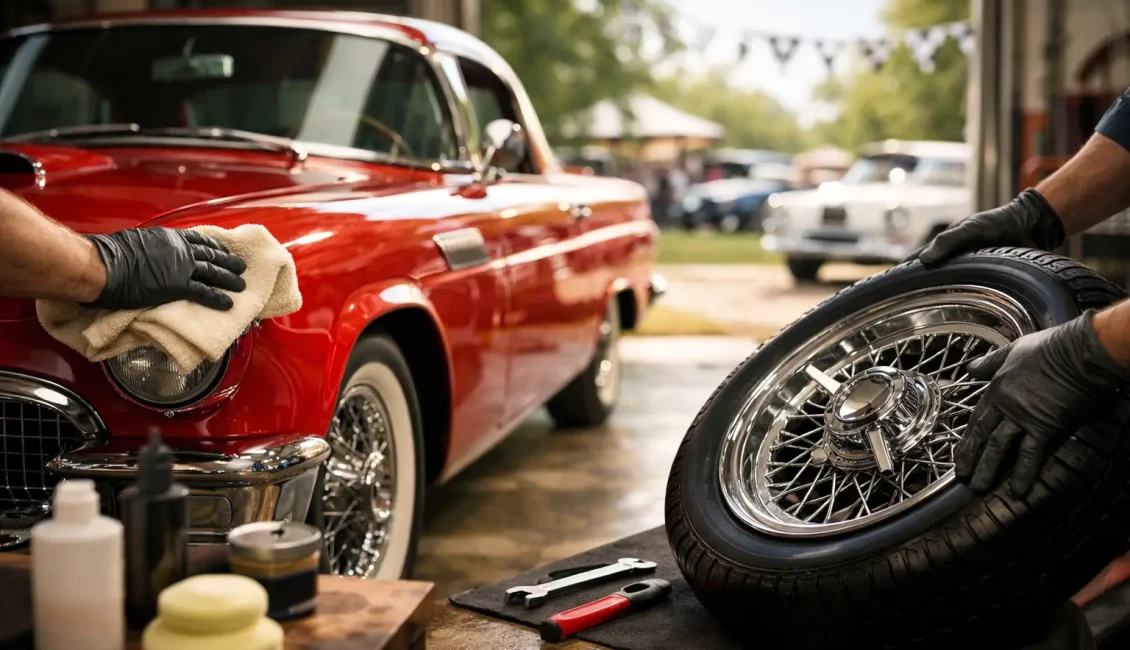
The first warm weekend of the year has a way of focusing the mind. One minute your classic is tucked away under a cover with a winter to-do list beside it, and the next you are counting down to the first big event on the calendar. If you are wondering how to prepare your classic car for show season, the goal is not simply to make it look good from ten paces. It is to arrive with a car that presents properly, runs cleanly, and still feels enjoyable to own.
A strong show car is never just about polish. At any well-attended event, people notice the details – panel fit, glass, trim, tyres, the engine bay, even the way the interior smells when the door opens. That does not mean every car needs concours-level perfection. It does mean preparation should be honest, methodical and suited to the kind of classic you have, whether it is a carefully restored saloon, a well-used British sports car, or a rare survivor wearing its age proudly.
How to prepare your classic car for show season without rushing it
The biggest mistake owners make is leaving everything until the final week. Last-minute prep usually leads to missed jobs, rushed repairs and frantic searches for parts that should have been ordered a month earlier. A better approach is to split the work into stages: mechanical checks first, cosmetic improvement next, and show-day presentation last.
Start by deciding what standard you are aiming for. A local club stand is different from a judged class, and both are different again from bringing a car along to enjoy the atmosphere at a major regional event. If you are showing a well-preserved original car, over-restoring visible details can actually work against its character. If you have a freshly rebuilt vehicle, consistency matters more – a gleaming body with tired carpets or a greasy engine bay can let the whole presentation down.
Get the mechanical side right first
Before the polish comes out, give the car a proper inspection. There is little glamour in checking hoses, fluid levels and battery condition, but no one wants to steam into a showground on the back of a recovery lorry because a simple issue was overlooked.
Begin with the basics. Check engine oil, coolant, brake fluid and clutch fluid where applicable. Look for damp patches under the car and inspect common leak points around rocker covers, sumps, fuel lines and radiator connections. Classics often mark their territory a bit, and a light misting is not always a crisis, but drips on the display field are another matter.
Tyres deserve close attention too. Tread depth is only part of the story. Sidewall cracking, flat spots from winter storage and ageing rubber can all spoil the drive and the look of the car. If your classic runs on older crossplies or period-style tyres, factor in how the car will be used. A short local run is one thing, but a motorway journey to a major venue asks more of old rubber.
Then move on to brakes, steering and suspension. Pulling to one side, excessive pedal travel or vague steering will not improve with optimism. Equally, minor issues often feel more obvious after a winter lay-up, so it is worth taking the car on a sensible test run well before the event date. Listen for knocks, watch the temperature gauge, and make sure the charging system is behaving itself.
Electrical gremlins can make a smart classic feel unfinished. Check all lights, indicators, horn, wipers and heater fan. Clean battery terminals and ensure any supplementary accessories are secure. If the car has an older charging system or a battery isolator, make sure you know exactly how it behaves before the morning of the show.
Clean deeply, not quickly
When people think about how to prepare your classic car for show season, the cleaning stage usually gets the most attention. Fair enough – presentation counts. But quick shine products and a hurried wipe-down tend to flatter only in poor light.
Wash the car carefully using products suitable for older paint, chrome and brightwork. If the finish is original or delicate, avoid anything too aggressive. A clay bar and machine polish can work wonders on some cars, but not every classic wants the same treatment. Thin paint, older resprays and hand-applied pinstripes all need a gentler hand.
Pay attention to the awkward areas that often get ignored. Shut lines, door apertures, fuel filler surrounds, wheel arches and the lower edges of bumpers collect grime that instantly dates a presentation. Clean the glass properly inside and out, and do not forget the mirrors. Visitors notice smears more than owners do.
Chrome and stainless trim should be bright, but not scrubbed to death. Some pitting and age can be part of the story. The aim is to make the car look cared for, not artificially new. The same goes for badges, grilles and number plates. Straighten what you can, clean what you can, and replace only what genuinely lets the car down.
The interior matters more than most owners think
A crowd forms quickly around a car with a good cabin. Once the doors open, people look everywhere – seats, dash, carpets, headlining, switchgear, even the boot if it is accessible. A lovely exterior with a tired interior never feels complete.
Vacuum thoroughly, including under seats and along runners. Clean mats, polish wood or metal trim carefully, and use the right product for vinyl, leather or cloth. Be restrained. Over-shiny dashboards and greasy seats look wrong in most classics, particularly period British cars where a more natural finish suits the cabin.
If there are cracked knobs, loose trim clips or a sagging parcel shelf, small repairs can lift the whole car. It is often these minor fixes, rather than major restoration work, that make a show vehicle feel finished. Also check that paperwork, old packets, loose tools and random garage clutter are removed unless they are part of a deliberate period display.
The boot should not be forgotten. A clean spare wheel cover, tidy tool roll and organised storage area suggest the car has been cared for properly. If your model is known for its originality points, this area can be especially worth attention.
Engine bay presentation should look honest
A spotless engine bay always draws interest, but there is a balance to strike. If your classic is driven regularly, an engine bay with sensible detailing and authentic finishes often looks better than one polished beyond recognition.
Degrease carefully, avoiding sensitive wiring and older components that do not appreciate being drenched. Wipe down painted surfaces, air cleaner housings, hoses and reservoirs. Replace obviously perished clips or fuel line if needed, but resist fitting shiny modern parts that clash with the period feel unless safety demands it.
This is also a good time to tighten clamps, check belt tension and look for weeping gaskets. A clean engine bay makes problems easier to spot. If the car is judged, authenticity and neatness usually score better than flash.
Finish the details that complete the display
Show season prep is not only about the car itself. Think about how it will sit on the field or in the paddock. Clean plates and tax disc holders if fitted for display, dress tyres lightly rather than soaking them, and make sure valve caps, wheel trims and badges are present and straight.
If you use an information board, keep it simple. Visitors enjoy a bit of history, restoration context or interesting provenance, but they do not need a novel propped against the front wheel. Bring a clean cloth, detailing spray and a few basic tools for touch-ups after the journey.
It is also worth packing with the day in mind. Microfibres, glass cleaner, cable ties, a tyre pump, spare fluids and a battery booster can save a lot of stress. British weather has its own opinions, so a cover, waterproofs and something to dry the seats are never wasted space.
Show day is about preparation, not panic
On the morning itself, avoid introducing fresh problems. Do not decide this is the perfect time to dismantle a carburettor, fit new plugs without testing them, or use an unfamiliar dressing product on the seats. Stick to what you know works.
Allow extra travel time so the car can cool down, settle and be wiped over before visitors arrive. Once parked, step back and look at it as the public will. Check the stance, straighten the wheels if needed, remove obvious travel dust and open up the cabin if the weather allows.
Most of all, enjoy the day. The best classic displays always have a bit of personality behind them, whether that comes from a meticulous restoration, a rare backstory or simply an owner who knows and loves the car. At events across the season, including the kind of enthusiast gatherings Great British Motor Shows is known for, people respond to cars that are presented with care and shown with pride.
A classic never needs to be flawless to earn attention. It just needs to feel ready. When the mechanicals are sorted, the details are handled properly and the presentation suits the car’s character, show season stops feeling like pressure and starts feeling exactly as it should – a chance to get out, meet fellow enthusiasts and let the car have its day.