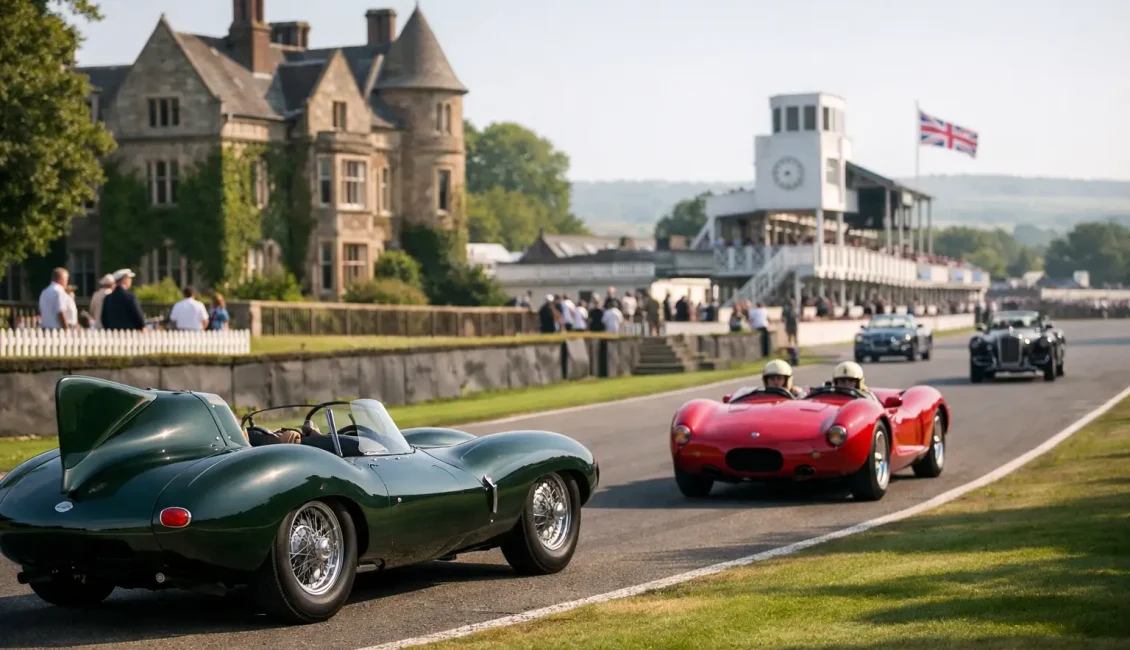
A superbly restored Jaguar, a row of period motorcycles and a modern supercar all look even better when they arrive beneath the gates of a grand estate. That is the appeal of the best historic venue motoring events: they turn a day spent looking at great machinery into a proper occasion, with heritage architecture, parkland and plenty of room for the whole motoring community.
For visitors, it is the difference between a quick car meet and a full day out. For owners, clubs, exhibitors and traders, a characterful setting gives every vehicle display more presence. Here is what makes these events worth putting in the diary – and how to choose the right one for your kind of motoring.
Why historic venues make motor shows better
Historic houses, country parks, halls and estates bring something that a conventional exhibition space cannot replicate. They have a sense of arrival. You drive through the grounds, spot the first line of classics on the grass and immediately know the day has started before you have even reached the main display.
The setting also gives vehicles a useful sense of context. Pre-war cars, British sports cars and elegant grand tourers naturally suit an estate backdrop, but the contrast can be just as striking with modified builds, rally-inspired machinery and the latest performance cars. A loud, low-slung modern car against an old stone hall is part of the spectacle. It reminds us that motoring culture has never stood still.
There is a practical upside, too. Larger venues can accommodate varied show fields, club stands, trade areas, food options and room for families to take a breather without the event feeling cramped. The strongest shows use that space well, creating a route through the day rather than simply parking cars in rows.
What the best historic venue motoring events have in common
A handsome venue matters, but it is only the starting point. The events that enthusiasts return to year after year combine a memorable location with good organisation and enough variety to keep every member of the group interested.
A broad and well-curated vehicle mix
The best displays do not rely on one category alone. A visitor might come to see concours-quality classics, then find a local car club with rare models they have never seen in the metal. Around the next corner there could be custom motorcycles, carefully built modified cars, American muscle, performance saloons or a supercar line-up drawing a crowd.
That mix needs balance. A show with too many similar vehicles can feel repetitive, while one with no clear structure can feel random. Strong events give all corners of the scene their moment, from meticulous restorations to proudly used weekend cars. It is not about whether a vehicle is expensive. It is about character, condition, story and the enthusiasm of the person who brought it.
Room for clubs and owners to shine
Car and motorcycle clubs are the heartbeat of venue-led shows. They bring knowledge, camaraderie and the displays that make people stop for a closer look. A neat line of similar models tells the story of a marque. A mixed club stand can show how one model has evolved through the decades.
For owners, the experience should feel welcoming rather than intimidating. Not every entrant has a concours winner, and that is exactly as it should be. Historic venue events work best when someone with a much-loved modern classic can park alongside a long-term collector and both feel part of the same gathering.
A destination atmosphere for everyone
An event at a heritage location should offer more than a car park and a ticket gate. The grounds, architecture and local character become part of the day. Visitors may want to photograph the cars, browse the traders, catch up with club friends, enjoy food in the sunshine and take in the venue itself.
Families benefit from this wider experience. A serious enthusiast can spend time studying an engine bay while others enjoy the surroundings and the changing display. It is why these shows often work brilliantly for people who are not necessarily committed petrolheads – although many leave with a new favourite car.
Easy arrival and clear event planning
Nobody wants the most memorable part of a motoring event to be the queue getting in. Good historic venues need careful traffic planning, especially where country roads and limited entrances are involved. Clear joining instructions, sensible arrival times, marshals on site and well-marked parking make a major difference.
This applies just as much to exhibitors and traders. Owners need to know when to arrive, where to go and what facilities are available. Traders need enough access to set up properly. The show may take place in a historic setting, but the event operation should feel current, clear and reliable.
Choosing the right event for your day out
Not every historic venue show is built around the same audience, so it pays to look beyond the venue photographs. If you are passionate about classics, seek an event known for car clubs, heritage displays and owner stories. If performance cars and modified builds are more your thing, look for a show with an open-minded vehicle mix and an atmosphere that welcomes newer metal.
Motorcycle fans should check that bikes are a meaningful part of the programme rather than a small add-on. The same goes for families: a beautiful setting is a great start, but practical facilities, food choices and enough to see across the day will shape the experience.
It is also worth considering how you want to attend. As a visitor, you may prefer the freedom of arriving, wandering and discovering something unexpected. As an owner, a club booking can turn the day into a social fixture. As a trader or exhibitor, the right audience and a professionally run site are every bit as important as footfall.
Making the most of a historic venue motor show
A little planning lets you enjoy more of the day without taking the spontaneity out of it. Book ahead where tickets are released in advance, check the event timings and arrive early if you want to see the display as it fills. Morning light across a show field is also hard to beat for photographs.
Wear comfortable footwear. Historic grounds can mean grass, gravel, slopes and plenty of walking between displays. Bring a light layer for a British day out, even when the forecast looks kind. If you are displaying a vehicle, pack the small things that make a stand look sharper: cleaning cloths, a discreet information board and anything needed to keep the cabin or bike tidy.
Most importantly, talk to people. The owner of a car you admired may have spent years sourcing parts, rebuilding an engine or preserving an original feature that is rarely seen now. Those conversations are often where the real value lies. You cannot get that from scrolling through photographs at home.
The value of a venue that matches the machinery
There is no single formula for a great motoring event. Some visitors want rarity and refinement. Others want noise, individuality and a lively modified scene. Some want to bring the children for a proper day out, while others plan their calendar around meeting fellow club members.
What historic venues do brilliantly is give all of those experiences a shared stage. They make room for the polish of a concours classic, the personality of a home-built project and the excitement of performance machinery, without losing the relaxed social feel that makes live events special.
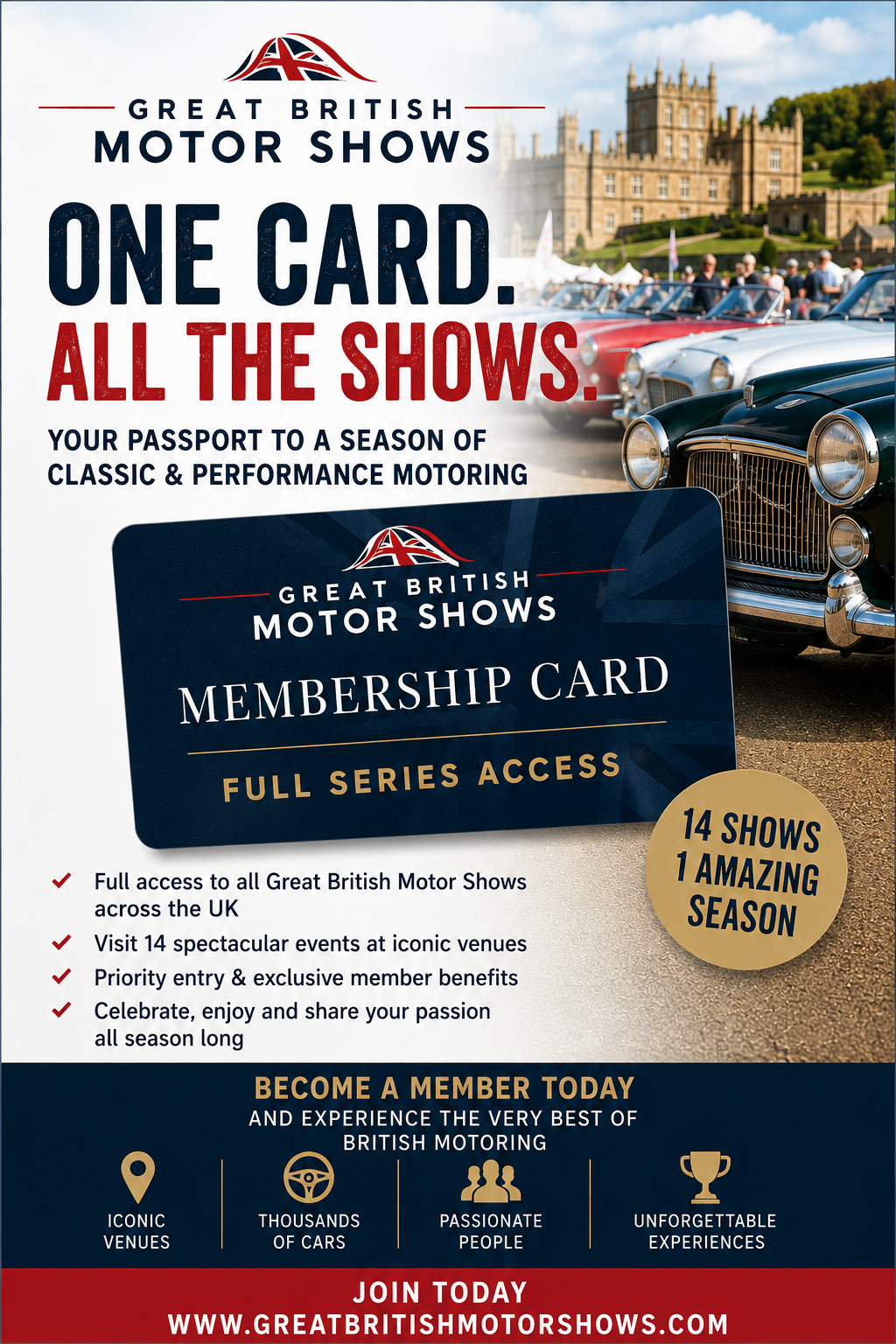
Great British Motor Shows is built around that combination of exceptional vehicles, welcoming communities and standout destinations. When you choose an event, look for the one that gives you a reason to stay a little longer, see one more row of cars and start planning the next show before you have left the grounds.