
The first crackle of an old racing engine through the paddock is enough to stop a conversation. Add the scent of hot oil, the sight of a beautifully liveried saloon being prepared for its next session and a grid full of machinery with real competition history, and you have a day out that goes far beyond watching cars circulate a circuit. For anyone searching historic racing car events UK, that atmosphere is the real prize.
Britain’s historic motorsport scene is remarkably broad. One weekend might bring pre-war racers, GT legends and single-seaters to a grand circuit; the next might put rally cars, racing motorcycles and club displays in front of a historic house. The best choice depends on whether you want wheel-to-wheel action, close access to the cars, a family-friendly motoring day or a little of everything.
What makes historic racing special?
Modern racing is an extraordinary technical spectacle, but historic competition puts the story in plain sight. You can see the engineering eras change from one car to the next: narrow-bodied sports racers, thunderous touring cars, analogue Formula machinery and production-based machines that once graced Britain’s roads before being transformed for the track.
These cars are not simply museum pieces. At the right event, they are used as intended. Drivers work hard, tyres move beneath the arches and period engines are pushed through the gears. That sense of occasion is heightened by the variety. A mixed programme can move from nimble 1960s saloons to powerful GT cars and then onto a grid of historic single-seaters, each with a distinct soundtrack and character.
It is also one of the more approachable forms of motorsport. At many meetings, visitors can walk through the paddock, speak to owners and teams, study the detail of a restoration and watch the pre-race preparation at close quarters. For enthusiasts, that access is invaluable. For younger visitors, it is often the moment that turns a good day out into a lasting fascination with cars.
Historic racing car events UK fans should put on their radar
The UK has no shortage of landmark circuits and destination venues with motorsport heritage. Historic race meetings at established tracks deliver the purest competition experience, with qualifying, races and busy paddocks forming the heart of the day. These are ideal when the priority is seeing significant machinery driven in anger.
Goodwood is often the first name that comes to mind, and for good reason. Its flagship historic motorsport gatherings are known for period dress, carefully curated grids and an unmatched sense of theatre. They can be hugely popular, so they reward early planning, particularly if you want grandstand views, accommodation nearby or tickets for a specific day.
Silverstone, Donington Park, Brands Hatch, Oulton Park and Cadwell Park each offer a different flavour of historic racing. The circuit matters. Silverstone brings scale and famous corners; Donington has deep racing heritage and an atmospheric parkland setting; Brands Hatch puts spectators close to dramatic elevation changes; Oulton Park and Cadwell Park feel wonderfully involving, with their flowing layouts and strong club-racing character.
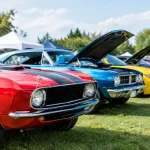
Not every standout historic motoring event is a race meeting, however. Shows at country estates, halls and parks can pair classic and competition cars with club displays, trader villages, food, family entertainment and relaxed opportunities to admire vehicles at length. You may not see a full race programme, but you can often enjoy a wider spread of cars, from restored road classics to track-prepared specials and genuine competition machinery.
That is where a venue-led show has its own appeal. The backdrop adds occasion, the pace is more flexible and there is usually something for every member of the group. Great British Motor Shows events are designed around this wider motoring experience, bringing enthusiasts, clubs, exhibitors and visitors together in memorable heritage settings.
Choose the event that suits your kind of day
A race meeting is the right call if you want the full sensory hit: qualifying laps in the morning, close battles in the afternoon and the chance to follow a favourite championship across the day. Check the timetable before travelling, as the classes on track can vary significantly. An event headlined by historic touring cars feels very different from one centred on vintage sports racers or single-seaters.
A concours-style or display-led show is better if the car park and show field are as interesting to you as the action. These events suit owners who want to exhibit, club members planning a group outing and families who prefer to wander at their own pace. They are also brilliant for photographers, provided you arrive early before the busiest periods.
Then there are mixed-format weekends, which offer a strong compromise. A sprint, demonstration run, parade or live arena activity can give the day momentum, while hundreds of display vehicles provide plenty to explore between sessions. If your party includes both dedicated petrolheads and casual visitors, this balance often works best.
How to get more from the paddock
The paddock is where historic racing becomes personal. Do not rush straight for the grandstand and stay there all day. Allow time before the first race or between sessions to walk the garages and support areas, always respecting barriers, working teams and any restricted zones.
Look for the details that tell a car’s story. Period decals, scrutineering markings, safety modifications, hand-fabricated components and battle scars can reveal as much as a polished bodywork finish. Owners and teams are often generous with their knowledge when they are not preparing for track time. A thoughtful question about the car, rather than a demand for a photograph, is usually the best way to start a conversation.
If you are taking children, explain what they are seeing. Point out the difference between a road-going classic and a purpose-built racer, or compare a manual gear lever, carburettors and exposed suspension with the systems found on a modern performance car. Historic motorsport makes engineering visible, and that is part of its magic.
Plan for comfort, noise and the British weather
A little preparation makes a big difference. Circuits are large, showgrounds can be uneven and the best viewing points may involve a decent walk. Comfortable footwear is essential, and layers are sensible even in summer. A waterproof is more useful than an umbrella in crowded paddocks and beside trackside fences.
Hearing protection is a wise addition, especially around race starts and for children. Historic engines can be properly loud, particularly when a field of big-capacity touring cars or sports racers launches together. Bring a small bag with water, sun cream and a portable charger, but check the event rules before packing folding chairs, gazebos or large camera equipment.
Arriving early has two advantages: easier parking and a calmer first walk around the venue. It also lets you catch the paddock before the racing schedule becomes intense. If the event offers advance tickets, parking options or exhibitor passes, book ahead where possible. Popular historic meetings can sell out, and advance planning leaves more time for the cars on the day.
Bring a car, join a club or simply turn up
Historic motoring events are at their best when they feel like a shared celebration rather than a closed circle. You do not need to own a rare classic to belong there. Come as a keen spectator, bring the family, meet friends or make a day of it with your local club.
If you do have a classic, performance car, motorcycle or interesting modified build, look for display opportunities and club areas. Showing your vehicle can be a rewarding way to meet like-minded owners, swap restoration advice and become part of the spectacle visitors have come to enjoy. The standard of the car matters, but the story behind it often matters just as much.
Whether your perfect day is a packed grid charging towards the first corner or a slow walk among beautifully kept machines on a summer show field, make room in the calendar for an event that gets you closer to the action. The best historic motoring days do not just remind us where racing has been – they send everyone home talking about the next one.