One weekend you are standing beside concours-level classics on the lawn of a country estate. The next, you are in a packed showground surrounded by modified builds, club displays and the sound of engines turning heads all afternoon. That is exactly why knowing how to choose car shows matters. Not every event is built for the same crowd, and the best day out is usually the one that matches your tastes, your travel plans and the kind of atmosphere you actually enjoy.
For some visitors, the ideal show is all about heritage – pre-war machinery, chrome, careful restoration and the chance to talk to owners who know every nut and bolt. For others, it is performance cars, modern prestige marques, bikes, supercars and plenty of movement throughout the day. There is no single right answer, but there is a smart way to narrow the field so you spend more time enjoying the event and less time wishing you had picked a different one.
How to choose car shows by type of vehicle
The first filter is the most obvious one, and often the most useful – what do you actually want to see?
A broad, mixed-format motor show can be brilliant if you like variety. You might get classics, modified cars, sports cars, bikes and prestige vehicles all in one setting, which makes the day feel full from start to finish. These events are ideal if you are visiting with friends or family who all have different interests. Someone may come for the classic Fords, someone else for the supercars, and everyone still gets a proper day out.
If your interests are more focused, a specialist event may suit you better. A classic-only gathering usually offers more depth, more period detail and stronger conversations around restoration, originality and ownership history. A modified or performance-led show often brings bigger energy, more club presence and a younger, louder feel. Neither is better – it depends on whether you are after range or depth.
That same logic applies if you are bringing your own vehicle. If you exhibit a carefully restored MG, you may prefer a show where presentation, heritage and marque appreciation are front and centre. If you own a tuned hot hatch or a modern performance build, you will probably want an event where that scene feels welcomed rather than tucked away.
Look at the venue, not just the car list
Venue can completely change the feel of a motor show. Two events may feature strong vehicle line-ups, but the experience on the ground can be very different.
A historic house, hall or landscaped park tends to create a more aspirational setting. Cars photograph beautifully, the pace can feel more relaxed, and there is often a sense that the venue is part of the attraction. For many enthusiasts, that combination of motoring culture and heritage location is a big part of the appeal. It feels like more than a meet. It feels like an occasion.
By contrast, a large open showground or events field may offer more room for displays, traders, live features and club areas. That can mean more action and more variety, especially at bigger regional events. The trade-off is that it may feel less intimate or less polished visually, depending on the layout and weather.
If you are choosing between shows, ask yourself what sort of day you want. Are you after a scenic destination where the cars are framed by the venue? Or do you want scale, movement and a busier programme? Both can be excellent. The key is knowing which one suits your mood and your group.
Consider who the show is really for
Some shows are built squarely for die-hard enthusiasts. Others are designed to welcome everyone from collectors and club members to children seeing their first supercar up close.
If you are going as a family, look beyond the headline vehicle categories. Check whether the event sounds accessible, easy to navigate and broad enough to keep different age groups interested. A strong family-friendly motor show usually has enough variety that even casual visitors can enjoy it without knowing every model code and engine spec.
If you are a serious enthusiast, trader or exhibitor, you may care more about display quality, marque mix, owner participation and the calibre of the attending clubs. In that case, read the event description closely. The best shows are clear about what they are offering. If the messaging leans heavily into spectacle, shopping and general entertainment, that may suit some visitors better than others. If it talks about curated displays, feature vehicles and enthusiast attendance, that usually points to a more focused experience.
How to choose car shows by size and atmosphere
Big is not always better, and small is not always more authentic. Size affects everything from parking and queues to how much you can see without feeling rushed.
Larger events often deliver stronger variety. You can spend hours moving between clubs, trader stands, special displays and mixed vehicle sections. If you like making a full day of it, that scale is a real advantage. It also helps if you are travelling a fair distance and want the event to feel worth the journey.
Smaller shows can be more relaxed. There is often more time to chat, more chance of getting close to the cars and less of that stop-start crowd flow that can slow down a packed event. The downside is that if the mix is too narrow for your taste, you may have seen everything sooner than expected.
Atmosphere matters just as much as size. Some people want the buzz of a busy regional show with a constant sense of activity. Others prefer a calmer event where the enjoyment comes from the setting, the vehicles and the conversations. If you have had a great day at one sort of event before, that is usually a clue worth following.
Check the practical side before you book
A great line-up can be undone by poor planning on your part. Travel time, ticket value and timing all shape the experience.
Start with distance. A local event has obvious convenience, especially if you are visiting for half a day or travelling with children. A destination show can be worth it if the venue and vehicle mix are strong enough, but be realistic about the early start, fuel costs and the possibility of weather changing the day.
Then consider what is included. Some events justify the ticket through scale, venue access, feature displays and a packed field of cars and bikes. Others work best as a shorter, simpler outing. The point is not to find the cheapest event. It is to find one that offers the right value for the experience you want.
Timing also matters. Early-season shows often have a fresh, season-opening energy. Mid-summer events can feel bigger and busier, but also warmer and more crowded. Late-season gatherings can have a more relaxed atmosphere and draw enthusiasts keen to make the most of the final big weekends before autumn arrives.
Exhibitors, clubs and traders can make or break it
The best motor shows are not just rows of parked vehicles. They have a sense of participation.
Strong club attendance usually means more variety within each category and better owner knowledge on display. You are not just seeing cars – you are seeing communities around them. That makes a difference whether you are comparing restoration styles, looking for inspiration for your own project or simply enjoying the stories behind the metal.
Trader presence is another clue. A well-balanced event often mixes display vehicles with automobilia, detailing products, parts, memorabilia, clothing and food, giving the day a proper event feel rather than a static line-up. Too many traders can pull focus from the cars. Too few and the show can feel thin between display areas. Balance is everything.
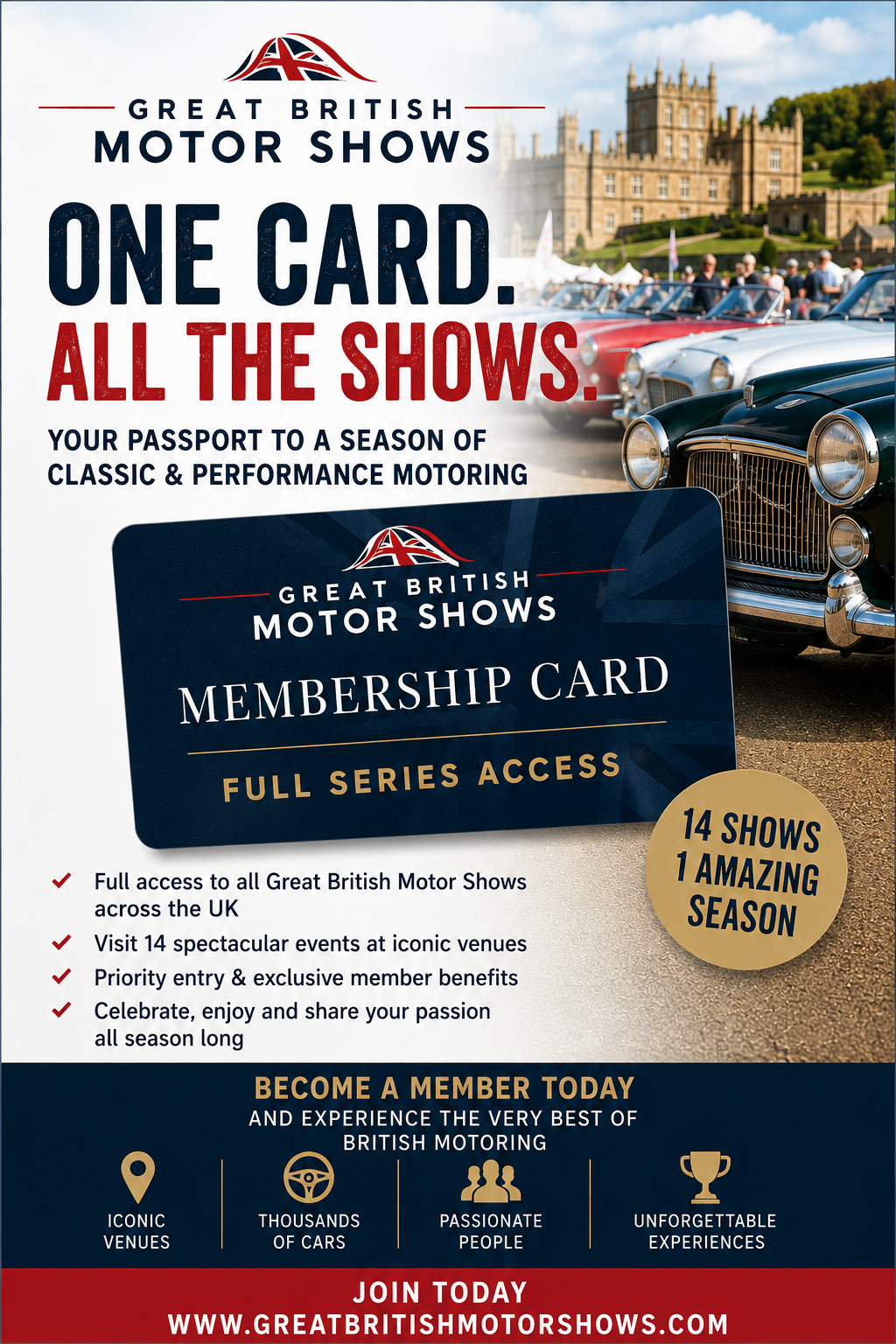
That is one reason regional events with a broad enthusiast following often work so well. When organisers understand how to blend clubs, exhibitors, traders and general visitors, the atmosphere feels lively without becoming chaotic. Great British Motor Shows has built much of its appeal around exactly that balance – variety on the field, strong venues and enough for different kinds of enthusiasts to enjoy in one visit.
Read the event wording carefully
If you want to know how to choose car shows with confidence, pay attention to the language organisers use. It tells you a lot.
Phrases around classics, performance, modified, prestige, heritage venues, club displays and family-friendly attractions are not filler. They signal who the event is designed for. If the description sounds broad and welcoming, expect a mixed audience and a varied show. If it leans into specialist detail, expect a more focused crowd and a narrower but deeper vehicle selection.
Photos from previous years can help too, but the wording often tells the real story. Ask yourself whether the event sounds like your scene. If the answer is immediately yes, that usually means you are on the right track.
The best car show is rarely the one with the loudest hype. It is the one that fits your interests, your pace and the sort of motoring day out you actually want to have. Choose with that in mind, and every event has a better chance of becoming one you look forward to returning to next year.