
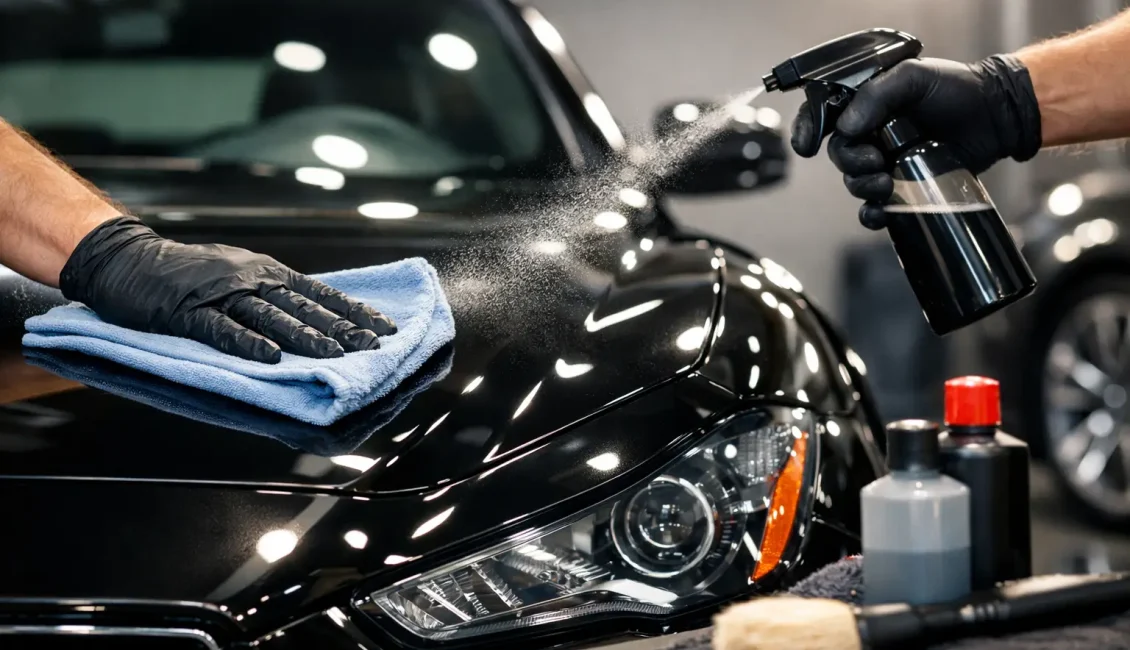
The difference between a good display car and a real head-turner is often in the last five feet. From a distance, plenty of cars look tidy. Up close, under venue lights or bright afternoon sun, every smear on the glass, every dusty vent and every missed bit of tyre dressing starts to show. That is why the best show car cleaning tips are never just about making a vehicle shiny – they are about preparing it properly for the way people actually view cars at a live event.
Whether you are bringing a cherished classic, a hard-worked modified build or a modern performance car, presentation counts. It reflects the care behind the car and helps it do justice to the setting, especially when it is parked among hundreds of other quality machines.
Show car cleaning tips start before wash day
The biggest mistake is leaving everything until the evening before. If your car needs more than a gentle freshen-up, a rushed wash can do more harm than good. Swirl marks, streaky polish residue and trapped dirt around trims all tend to happen when you are working too quickly.
A better approach is to split the job across a few days. Start with a proper inspection in daylight. Walk around the car slowly and look at the paint from different angles. Check the front bumper, lower sills, mirrors, number plates, wheel arches and around badges. These are the areas that collect the worst grime and also the spots visitors lean in to inspect.
If the paintwork has bonded contamination, old wax build-up or fine scratches, deal with those before event week if you can. A show finish is usually created in the preparation, not in the final 20 minutes with a spray detailer.
Wash gently or you will mark the finish
Any car that is heading to a show deserves a careful wash rather than a quick once-over with a sponge. Start by rinsing thoroughly to remove loose dirt. Pay attention to lower panels, behind the wheels and around the rear end, where road film tends to sit.
Use a dedicated wash mitt and clean water, ideally keeping your rinse water separate from your shampoo bucket. It is a simple habit, but it helps stop grit being dragged back over the paint. If your car has delicate paint, older lacquer or fresh correction work, this matters even more.
Shampoo choice depends on what is already on the car. If you have applied a quality wax or sealant recently, use a gentler shampoo that will not strip protection. If the finish has gone flat and you are starting again, a stronger clean may be the right call. It depends on where you are in the prep cycle.
Drying deserves just as much care as washing. A proper microfibre drying towel is far safer than an old chamois or household cloth. Pat and pull rather than scrub. Water trapped around mirrors, trim, fuel flaps and light clusters will almost always reappear later, so blow it out or catch it before it runs down the paint on the show field.
Wheels and tyres can make or break the whole car
You can have immaculate paintwork, but if the wheels are dusty and the tyres are patchy, the whole car looks unfinished. Wheels attract attention because they frame the stance of the car and show whether the owner has really gone the extra mile.
Clean wheels separately using tools that stay away from the paintwork. Brake dust is abrasive, and the last thing you want is to drag that onto a polished wing. Get into the barrel if the design allows it, and do not forget wheel nuts, valve stems and behind the spokes. Judges and enthusiasts notice these details.
Tyres should look clean and dark, not dripping wet. Too much dressing can look greasy and can sling onto the bodywork as you drive in. For most show cars, a satin finish looks smarter than a high-gloss one. It gives the rubber a fresh, well-kept appearance without looking overdone.
While you are there, clean the wheel arches. This is one of the most commonly missed areas, especially on performance and modified cars where larger wheels leave more visible arch space.
Glass, trim and brightwork need a different touch
One of the strongest show car cleaning tips is to treat each surface on its own terms. Glass, rubber, chrome, plastic and painted panels all behave differently, and using one product everywhere rarely gives the best result.
Clean the glass inside and out, and then check it again from the driver’s seat. Windscreens often look spotless from outside but show haze or smears from within. Side glass and rear screens can also reveal fingerprints once the sun hits them. Use two cloths if needed – one to clean, one to buff clear.
Exterior trim can quickly date an otherwise well-presented car. Faded plastic around grilles, scuttle panels and bumper inserts stands out badly on show day. A trim restorer can sharpen the look, but use it carefully. Heavy application can leave streaks on nearby paint if it rains or if the car picks up dew in the morning.
Chrome and metal finishes reward patience. Buff lightly and check for residue around edges, panel gaps and badge mounts. On classics in particular, brightwork often catches the eye before the paint does.
The interior matters more than many owners expect
Visitors do not only look at the bodywork. They peer through the windows, study the dashboard, notice dusty carpets and check whether the seats match the overall standard of the car. If the interior looks neglected, it weakens the impact of everything else.
Start by removing clutter completely. Old receipts, charging cables, water bottles and random bits from the boot have no place in a show car. Vacuum thoroughly, including under seats and around seat rails. Get into vents, switchgear and stitching where dust gathers.
Use products sparingly inside. A greasy dashboard finish can reflect badly in the windscreen and look unnatural. For most interiors, a clean matte or satin finish is far more convincing. Leather should look nourished, not lacquered. Cloth seats should look fresh and brushed through, not soaked.
Do not ignore the boot if it may be visible. On many classics, modified cars and restoration builds, the boot area is part of the story.
Engine bay cleaning needs common sense
A tidy engine bay adds real presence, especially if the bonnet is likely to be open on display. It tells people the standard of care goes beyond what is easy to see. But this is also where overenthusiasm can cause problems.
If you are cleaning an older vehicle, a classic or anything with exposed wiring and age-sensitive components, take a cautious approach. Degrease lightly where needed, use brushes rather than flooding the area, and avoid forcing water into electrical connections. Modern engine bays can also be sensitive, despite looking better sealed.
Dress plastics and hoses lightly so they look clean and well-kept, not artificially shiny. The aim is a smart, presentable bay that suits the car. A concours-style finish is brilliant when done well, but not every car needs to look like it has never turned a wheel.
Bring a final-finish kit to the venue
Even the best prep can be undone by the drive in. Road dust, a bit of drizzle, fingerprints from repositioning and the odd leaf on the scuttle are all part of event day. That is why practical show car cleaning tips always include what happens after you arrive.
Pack a small kit with clean microfibres, glass cleaner, a gentle quick detailer, tyre dressing applicator, interior cloth and bin bag. If your venue has grass parking areas or mixed surfaces, expect some dust by the time you are in place. A quick once-over after parking makes a noticeable difference.
What you should not do is start heavy polishing on site. It creates mess, risks marking the paint and usually means the car was not ready in the first place. Venue touch-ups should be light and controlled.
Presentation is not the same as overdoing it
There is a fine line between crisp presentation and trying too hard. Some owners chase maximum gloss on every surface, but a balanced finish usually looks better. Too much tyre shine, too much interior dressing or thick product build-up around trims can cheapen the look of an otherwise excellent car.
Think about the character of the vehicle. A period British classic wants a different finish from a modern supercar or a wide-arch modified build. The best presentation style is the one that suits the car naturally and lets its quality do the talking.
At Great British Motor Shows, that variety is part of the appeal. You might see a carefully restored saloon, a track-focused performance machine and a polished custom build all drawing crowds for completely different reasons. Cleanliness helps every one of them, but the right finish is never one-size-fits-all.
The details people always notice
If you want the car to stand out, spend the final few minutes on the bits others skip. Exhaust tips, number plates, door shuts, fuel filler area, wiper arms and the lower edges of the bumpers all make a difference. So do the simple things – straight floor mats, centred steering wheel, clean pedal faces and no streaks left on the sidewalls.
These are the touches that give a car presence. They show care, patience and pride, which is exactly what a strong show display should communicate.
The best event-day finish is not about chasing perfection until midnight. It is about arriving with a car that looks properly prepared, suits its style and still has enough life left in the owner to enjoy the day. Clean it thoughtfully, present it honestly, and let the car earn the attention it deserves.