
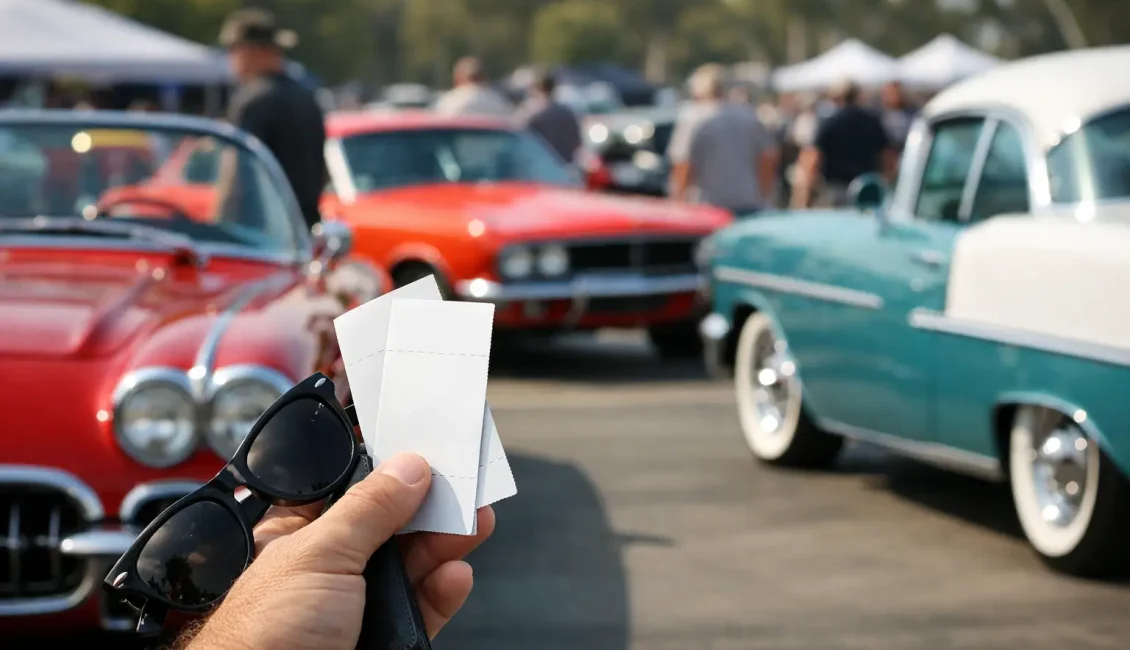
The best shows start long before the gates open. If you have ever turned up to a packed venue, heard someone say advance entry sold out, and realised you could have saved money by booking earlier, you will know that classic car show tickets are not just a formality. They are part of planning the day properly.
For many visitors, the ticket is the first decision that shapes the whole experience. It affects when you arrive, how much you pay, whether the family comes along, and how relaxed the day feels once you are on site. At a good motoring event, that matters. You are not only buying entry. You are buying access to rare machinery, club displays, trade stands, live atmosphere, and the simple pleasure of spending a day surrounded by people who get why these cars still matter.
Why classic car show tickets are worth booking early
There is a practical reason to buy early, and there is an enthusiast reason. The practical one is obvious – advance tickets are often better value than paying on the day, and some events cap attendance or release parking and admission information in stages. Booking ahead takes the guesswork out of it.
The enthusiast reason is just as important. A classic show is better when you can treat it as an occasion rather than a last-minute outing. Once the ticket is sorted, you can focus on the enjoyable bits: which display cars might appear, whether your favourite clubs are attending, which traders you want to visit, and how much time you want to spend around the concours line-up versus the general display areas.
That is especially true when events are held at major country estates, showgrounds, and destination venues. A strong venue adds real character, but it also means more moving parts, from arrival windows to parking zones and family facilities. Booking in advance usually makes the day smoother.
What affects the price of classic car show tickets
Not every ticket is priced the same way, and that is not just about demand. Venue size, parking arrangements, entertainment, feature displays, and the scale of the event all play a part. A compact regional gathering will feel different from a large-format weekend show with multiple vehicle categories, club areas, live commentary, and a wide trader village.
The venue itself can also shape pricing. Historic houses, landscaped parks, and destination locations bring a different atmosphere to a classic car event. They can turn a simple car day into something broader – part motoring spectacle, part day out. For plenty of visitors, that extra setting is part of the appeal.
Then there is timing. Early release ticketing often rewards people who plan ahead. Family tickets, child entry policies, exhibitor passes, and weekend options can all shift the value depending on who is attending. If you are travelling with children, or making a full day of it with friends from the club, checking the ticket types properly is worth doing before you hit buy.
Choosing the right ticket for your day
The right ticket depends on what sort of visitor you are. If you want a relaxed wander through a varied display, standard visitor admission is usually all you need. If you are bringing a car to show, joining with a club, or arriving as part of a display package, the ticketing route may be different and often comes with separate arrival instructions.
That distinction matters because show days run on timing. General visitors want efficient entry and easy parking. Exhibitors want to know where to queue, when to arrive, and how vehicle placement will work on the field. Traders need access windows and set-up details. A well-run event keeps those journeys clear, but only if everyone books through the correct route.
For families, comfort tends to be the deciding factor. Look at how long you are likely to stay, whether there is enough variety beyond static displays, and whether the venue has the space and facilities to make the day easy. For marque loyalists and serious enthusiasts, the bigger question is usually depth. Are you going for a broad mix of classics, or are you chasing a particular era, style, or club presence?
How to get more value from classic car show tickets
Value is not only about the lowest price. It is about whether the day delivers what you wanted from it. A cheaper ticket to a smaller event may be perfect if you want a local morning out and a good browse of club cars. A larger show may cost more, but if it gives you hundreds of display vehicles, a stronger trader line-up, better catering, and a venue worth exploring in its own right, the extra spend can feel entirely justified.
The smart approach is to think about the full day, not just the gate price. Travel time, parking, food, and whether you are staying for several hours all feed into the overall experience. If advance booking saves money and gets you through the entrance faster, that has value too.
It also helps to be realistic about what kind of show you enjoy. Some visitors love high-volume events with everything from pre-war classics to supercars and modified builds. Others prefer more focused gatherings where they can spend longer chatting to owners and taking in the detail. Neither is better. It depends on whether you want scale or specialism.
What makes a classic car show worth attending
The strongest events understand that the cars are the headline, but not the whole story. People come for the atmosphere as much as the machinery. They want to see beautifully restored saloons, roadsters, grand tourers, and working classics, but they also want movement, personality, and that sense that every row has something different waiting in it.
A good show mixes heritage with energy. You might spend one hour admiring coachwork and period detailing, then the next looking over club stands, browsing automobilia, or talking to a trader about parts, tools, or garage kit. That range is what gives classic motoring events their pull. They work for collectors and restorers, but they also work for families and casual visitors who simply enjoy the occasion.
This is where event curation matters. A varied field, a strong venue, and a sensible layout can turn a decent car show into a memorable one. That is why established organisers tend to draw repeat visitors. If people know they will get quality displays, accessible locations, and a day that feels well put together, they are far more likely to book early the next time.
Before you book: a few things to check
It is worth spending two minutes on the practical details before buying. Look at the event date, opening times, and venue access first. Then check whether the ticket is advance-only, available on the gate, or part of a phased release. Popular dates can gather momentum quickly, particularly when the weather looks promising and the venue has a strong reputation.
If you are travelling a fair distance, parking and arrival guidance matter just as much as admission. A well-organised event should make it clear where visitors, exhibitors, and clubs need to go. If you are bringing children or older relatives, it is sensible to think about walking distances and how long you plan to stay on site.
And if you are the sort who likes to make a proper day of it, go beyond the ticket page in your own planning. Decide whether you want to arrive early for the quieter period, which display areas matter most to you, and whether you are going to spend time with traders or club stands. The more intentional you are, the more rewarding the day tends to be.
The role of advance ticketing in bigger motoring events
Advance ticketing is not just convenient for visitors. It helps organisers shape a better event. Knowing likely attendance supports everything from stewarding and catering to traffic flow and exhibitor planning. That may sound behind the scenes, but it has a direct effect on what visitors experience when they arrive.
For established event brands such as Great British Motor Shows, early ticket demand is often part of the momentum that builds around a show date. It tells clubs, traders, and enthusiasts that the event is live, active, and worth showing up for. That matters in a crowded calendar. People have choices, and the strongest shows create confidence well before the first engine starts on the morning.
A ticket, then, is more than a receipt in your inbox. It is your place in a shared day out built around heritage, engineering, and the pleasure of seeing these machines where they belong – out in the open, admired properly, and surrounded by people who still care. If a show catches your eye, do not leave it until the last minute. Book early, plan well, and give yourself something worth looking forward to.