Pull into a good showground early and you can feel it before you see it – the rumble of V8s arriving, the chatter around polished classics, and the steady stream of visitors making straight for the display fields. If you have ever wondered what happens at motor shows, the short answer is plenty. The better answer is that a proper motor show is part exhibition, part social event, part shopping trip, and part celebration of everything people love about cars, bikes and motoring culture.
That is why no two shows feel exactly the same. Some lean heavily into heritage and concours presentation, while others bring modified builds, performance machinery and a louder, more modern atmosphere. The best events manage to do both, giving visitors a day out with genuine variety rather than a row of similar vehicles parked in silence.
What happens at motor shows from the moment the gates open
Long before the general public arrives, exhibitors, clubs, traders and event teams are already on site. Display cars are guided into position, trade stands are set out, catering teams are preparing for the rush, and marshals are helping everyone find their place. By the time visitors walk in, the show has been carefully staged so it feels lively, easy to navigate and worth spending a full day exploring.
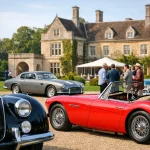
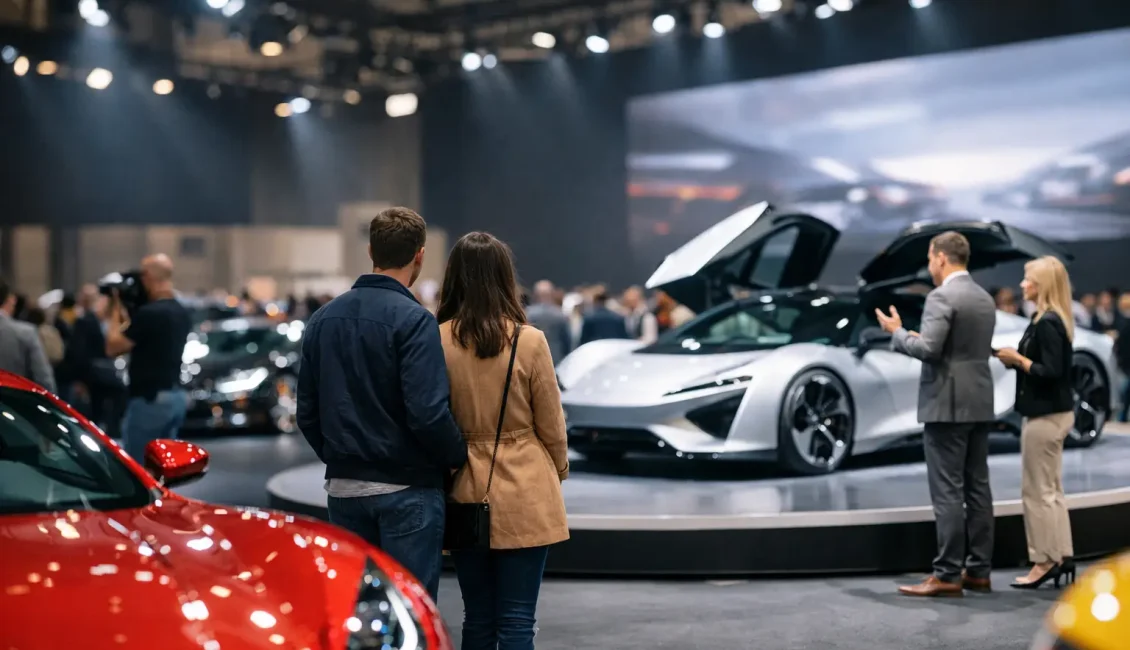
For most visitors, the first impression comes from the display vehicles. This is the centrepiece. Depending on the event, that could mean rows of classic British icons, rare sports cars, modern supercars, heavily modified builds, restored motorcycles, retro daily drivers, or all of the above. Seeing them in person is the point. Photographs flatten details, but on the show field you notice paintwork, coachlines, wheel choices, engine bays, trim quality and the sheer presence of a car you may only have seen online.
There is also the simple appeal of comparison. At a motor show, you can stand between a concours-condition classic, a patinated survivor and a freshly modified project and appreciate the different ways enthusiasts approach ownership. That mix is part of what keeps shows interesting for seasoned visitors as well as first-timers.
More than parked cars
A strong event does not rely on static displays alone. It gives people reasons to keep moving and keep discovering. That might include live arena features, club displays, special guest vehicles, judging areas, autojumble sections, trade villages and family entertainment. The exact format varies, but the best shows build momentum across the day.
Club stands are often where the real personality of the event comes through. Owners bring vehicles not just to show them off, but to talk about them. You can hear the story behind a restoration, ask how a modification was done, or learn why someone has stayed loyal to the same marque for decades. For many visitors, that access is one of the biggest draws. It is far easier to connect with a car when the person who rebuilt it, imported it or has cared for it for twenty years is standing right beside it.
Trade areas add another layer. These are where visitors browse detailing products, automobilia, parts, clothing, artwork, tools and all the other things that orbit motoring enthusiasm. Some people arrive intending to buy something specific. Others leave with a garage sign, a model car or a product they did not know they needed. Either way, traders help turn the show into an active experience rather than a passive one.
The role of clubs, collectors and exhibitors
If you want to understand what happens at motor shows behind the scenes, start with the people who bring the metal. Clubs and private exhibitors are not background decoration. They are a huge part of what gives an event its scale and quality.
Car clubs create structure and community. They gather like-minded owners together, present themed displays, and often raise the standard of presentation across the field. One stand might focus on original-condition classics, another on modified hot hatches, another on performance saloons from a particular era. For visitors, this makes it easier to explore by interest rather than wandering at random.
Private exhibitors and collectors add the unexpected element. These are the rare finds, unusual projects and low-volume cars that stop people in their tracks. Sometimes it is a beautifully restored machine. Sometimes it is a work-in-progress with a great backstory. Sometimes it is simply a car you have not seen for years and did not expect to encounter on a Sunday morning in a stately setting.
That is also why venue matters. A broad show at a strong location feels like more than a meet-up. Historic houses, estate grounds and destination sites give the day a sense of occasion. For visitors travelling with family or friends who are not hard-core enthusiasts, that setting can make all the difference.
What happens at motor shows for families and casual visitors
Not everyone arrives with a checklist of chassis codes and factory options. Plenty of people come because they want a good day out, and the best events are built for that too.
There is usually enough variety to hold the attention of different age groups and interests. One person wants pre-war charm, another wants modern supercars, someone else wants motorcycles, and the children are happy as long as there is movement, noise and something eye-catching every few minutes. Food and drink areas, open spaces, live attractions and the chance to stroll at your own pace all help make the day feel welcoming rather than specialist.
That inclusive side matters. A motor show should feel accessible whether you arrive in a cherished classic, a daily hatchback or with no particular loyalty to any marque at all. The atmosphere is one of the biggest reasons people come back. When the event is well organised, there is a shared sense of enthusiasm without any pressure to be an expert.
Why people buy tickets in advance
A lot of visitors ask what they should expect before committing to a show. The answer is not just the vehicles. It is the convenience of knowing the day has been planned properly.
Advance ticketing, clear arrival information and a reliable event format all make the experience smoother. For exhibitors, pre-registration helps secure space and shape display areas. For traders, it creates confidence in footfall. For visitors, it means the show can be laid out in a way that feels balanced rather than crowded or improvised.
There is also a practical point here. Popular regional events can draw large numbers, especially when the weather is on side and the venue itself is a draw. Booking early is often the easiest way to avoid missing out and to make the day feel straightforward from the start.
The business side you only half see
Motor shows may feel relaxed on the surface, but there is a lot happening behind the scenes. Event teams coordinate vehicle entry, trader logistics, parking, signage, safety, catering, timing and on-site support. Partners and sponsors may activate around the show, helping fund features or add extra interest for visitors.
Done well, none of this feels intrusive. It simply creates a better event. More variety on the field, better facilities, a stronger trader line-up and a more polished visitor journey all come from proper planning. That is one reason established events tend to build loyal followings year after year.
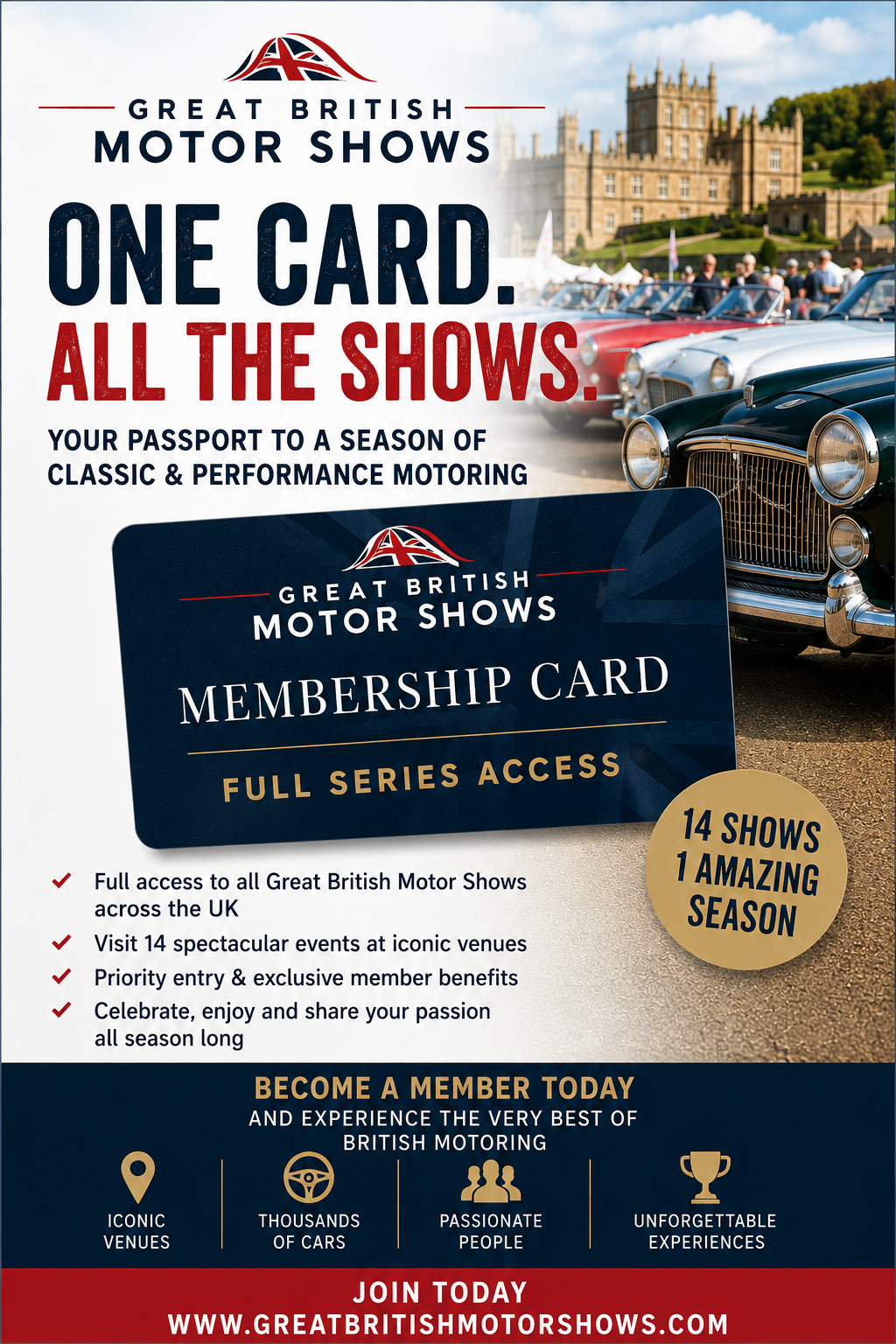
For brands like Great British Motor Shows, that recurring calendar matters. It gives enthusiasts something to look forward to across the season, and it gives clubs, exhibitors and traders a dependable platform to return to.
What makes a motor show worth attending
The honest answer is that it depends on what you want from the day. If you are chasing a highly specialist concours experience, a broad enthusiast event will feel different. If you want variety, atmosphere and the chance to see everything from classics to supercars in one place, a well-curated regional show is hard to beat.
The strongest events strike a balance. They respect heritage without becoming stuffy. They welcome modified and performance culture without losing the wider audience. They offer enough to interest serious enthusiasts while still feeling easy for families and casual visitors to enjoy.
That is really what happens at motor shows when they are done properly. People arrive to look at cars and leave having had conversations, spotted something unexpected, bought something for the garage, taken far too many photos and already started talking about the next event. If that sounds like your sort of day, it usually is.