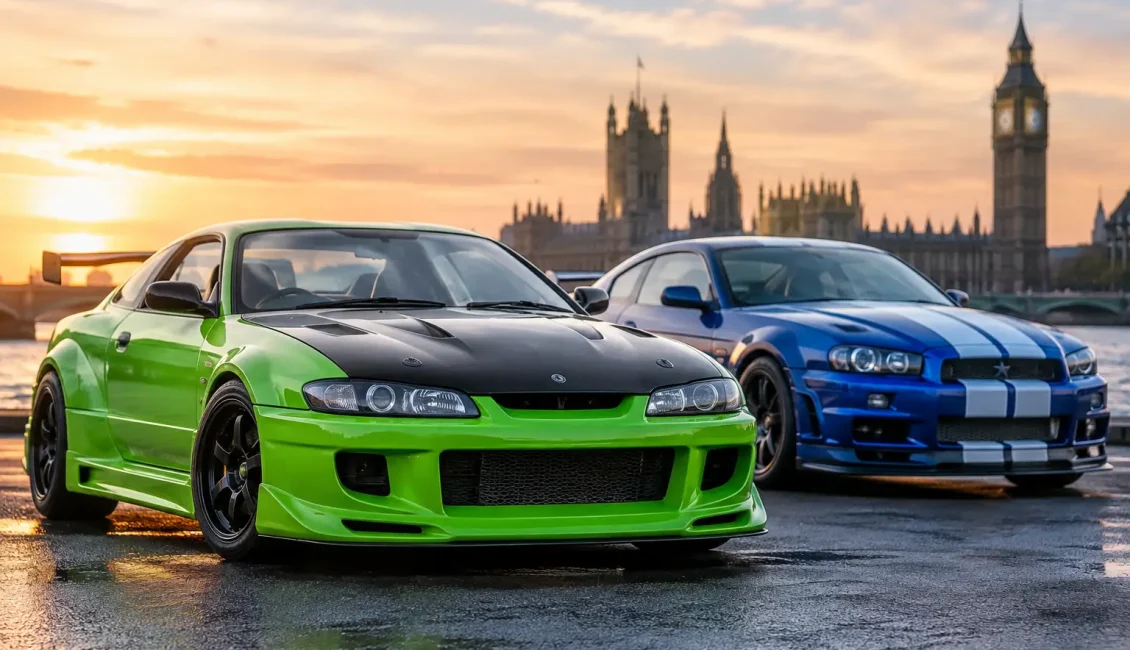
A brightly wrapped Supra, a lowered Civic on period-correct wheels, the bark of a V8 arriving at a show ground: you can spot the fast and furious influence long before anyone mentions the films. For many enthusiasts, the franchise was not simply entertainment. It was the first time modified cars, tuning garages and night-time car culture were presented on a huge, unapologetically exciting scale.
That impact still runs through UK motoring culture. It can be seen in the cars people build, the friends they meet through clubs, and the confidence with which a younger generation brings its own taste to a show field. The films did not invent performance tuning or the modified scene, but they gave both a global spotlight and made the idea of personalising a car feel within reach.
The fast and furious influence: more than a film franchise
The original film arrived at a moment when Japanese performance cars had already earned serious respect among drivers who knew what they were looking at. The Toyota Supra, Nissan Skyline GT-R, Mazda RX-7, Honda Civic and Mitsubishi Eclipse had real engineering credibility, while turbocharging, suspension upgrades and aftermarket styling were already part of established tuning culture.
What the franchise changed was the scale of the invitation. It made a new audience notice the details: a polished intercooler behind the bumper, a deep-dish wheel, an aggressive body kit, a gear change at full boost. Cars were characters, not background props. That was a powerful message for teenagers saving for their first hatchback and owners keen to make a familiar model feel like their own.
In Britain, that enthusiasm met a scene with its own strong identity. Max power-era modified cars, hot hatches, cruise culture, club meets and specialist tuning businesses were already here. The fast and furious influence did not replace that history. Instead, it added fresh reference points, from vinyl graphics and neon-lit show builds to a renewed fascination with Japanese imports.
Why the look still lands at car shows
The visual language of the franchise is immediate. Bright paint, low ride heights, bold wheels and purposeful stance make a car easy to notice in a busy display. At a live event, that matters. A tasteful concours restoration may reward close inspection, while a modified build can stop visitors in their tracks from the other side of the lawn.
That does not mean every build needs a towering rear wing or a film replica livery. In fact, the most memorable cars often take the spirit rather than the exact recipe. One owner may fit subtle period wheels to a clean Nissan 200SX. Another may build a turbocharged BMW with carefully chosen motorsport touches. Someone else might create a full tribute car because it puts a smile on people’s faces. There is room for all three approaches.
The appeal is also generational. Parents who watched the early films on DVD can now bring their children to see the cars that caught their imagination. Younger visitors may know the later instalments, gaming culture or social media builds better than the original line-up. A good motor show gives those groups something to talk about, whether they agree on the best film car or not.
A gateway, not a rulebook
For some purists, the franchise can be an easy target. Certain on-screen modifications are exaggerated, mechanical details are not always realistic, and the later films moved far beyond street-racing roots. Those criticisms are fair enough. Cinema is built to create spectacle, not to provide a workshop manual.
Yet the practical value of that spectacle is hard to dismiss. Plenty of respected owners, mechanics, fabricators and detailers first became interested in cars through a film, game or magazine feature. Curiosity is often the starting point. It can lead to learning how an engine works, attending a local meet, joining a club, restoring a project car or gaining the confidence to pick up the spanners.
The healthiest interpretation is to treat inspiration as a starting line. Copy the energy, then build knowledge. Research parts before buying them, understand the insurance implications, and make sure the car remains safe and legal for the road. A well-executed build earns attention for more than its paintwork.
From screen heroes to real-world favourites
Some models have become inseparable from the franchise in the public imagination. The orange Toyota Supra is the obvious example, but the Nissan Skyline GT-R, Mazda RX-7, Dodge Charger and Mitsubishi Eclipse all carry that connection. Their values, availability and desirability vary wildly, particularly in the UK, where importing, parts supply and right-hand-drive status can affect the ownership experience.
That is why the influence is not limited to buying an iconic model. The spirit has filtered into more accessible cars. A Fiesta ST, Corsa VXR, MX-5, Clio Renaultsport or BMW 3 Series can become a personal project without pretending to be something it is not. The strongest builds make the most of their platform, budget and intended use.
There is a useful distinction between a show car and a car built for regular driving. Air suspension, extreme wheel fitment and intricate audio installations can create a dramatic display, but may demand compromise on rough roads or long journeys. Track-focused modifications can sharpen a car on circuit while making it less relaxed on a Sunday run. Neither choice is wrong. The point is to decide what the car is for before the parts start arriving.
The value of seeing builds in person
Photos can make every build look perfect. A motor show tells a fuller story. You can see panel fit, paint depth, tyre choice, engine-bay detailing and the small decisions that separate a quick makeover from years of committed ownership. Better still, owners are often happy to talk through what worked, what cost more than expected and what they would do differently next time.
That exchange is one of the best parts of enthusiast culture. It shifts the focus from chasing likes to sharing experience. A visitor might arrive to see a famous replica, then leave inspired by a carefully restored Japanese coupe, a home-built track car or a modified classic that has been in the same family for decades.
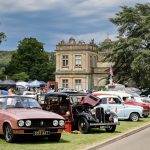
Great British Motor Shows brings these worlds together in a setting where performance cars, classics, bikes, modified machinery and prestige vehicles can share the same conversation. That variety matters because car culture is rarely as tidy as categories suggest. The owner of a vintage Ford may appreciate the engineering in a modern tuned Golf, while a young JDM fan may find themselves drawn to the craftsmanship of a beautifully presented classic.
Keeping the culture moving forward
The fast and furious influence has endured because it celebrates participation. It says that a car can be more than transport: it can be a project, a social connection and a reflection of the person behind the wheel. That idea remains as relevant to a first-time modifier as it does to an experienced collector.
The responsibility now is to keep that enthusiasm pointed in the right direction. Respect venue rules, drive sensibly on public roads, support local businesses and give new owners good advice rather than gatekeeping the hobby. A welcoming scene will always outlast a passing trend.
At your next show, take time to look beyond the headline cars. Ask an owner why they chose that wheel, that engine, that colour or that model. The answer may be a childhood film, a family memory, a hard-won restoration or simply the joy of building something different. That is where motoring culture really comes alive.