

A great collector car event is not just a line of polished bonnets and period number plates. It is the moment a rare homologation special rolls into a historic venue, the sound of an engine that has been cared for properly, and the conversations that begin when someone spots a car they owned, wanted or restored years ago. This collector car event guide will help you choose the right show and make the most of the day, whether you are arriving in a cherished classic, bringing the family, or simply looking for some serious motoring theatre.
Choose an event with real variety
The best events offer more than one idea of what makes a vehicle special. A pre-war tourer, a 1990s Japanese performance icon, a beautifully detailed modified build and a modern supercar can all draw a crowd for very different reasons. That variety matters, particularly if you are planning a day out with people whose interests do not perfectly match your own.
Start by looking at the vehicle categories invited to attend. A marque-focused gathering can be brilliant when you want deep knowledge, parts advice and rows of closely related cars. A broader collector car show tends to deliver more surprises, with classics, motorcycles, sports cars, performance machinery and club displays sharing the same grounds.
The venue also changes the character of the day. A heritage estate or park gives owners room to present their cars properly and gives visitors space to wander without feeling rushed. It can turn a few hours around the show field into a full day out, especially when there are food options, trade stands and scenic grounds to enjoy between displays.
Check the practical details before buying tickets
There is nothing glamorous about planning parking or checking the weather, but it is what separates a relaxed show day from a frustrating one. Read the event information before you set off, particularly if you are travelling with children, arriving in a display vehicle or carrying camera equipment.
Advance tickets are often the simplest option. They can save time at the gate and help you plan your arrival around the busiest periods. If the show has separate entry arrangements for visitors, exhibitors, car clubs and traders, make sure you select the right one. A vehicle pass is not always the same as admission for everyone in the car.
If you are displaying a collector vehicle, look beyond the booking confirmation. Check the arrival window, display location, vehicle eligibility and whether you need to remain on site until a set time. These rules protect the experience for everyone, particularly at busy events where people are walking between cars all day.
For a straightforward day out, a small amount of preparation pays off. Bring the following if the forecast or venue calls for it:
- Comfortable footwear for grass, gravel and plenty of walking
- A light waterproof and an extra layer for changeable British weather
- Sunscreen, water and a portable charger for a long day outdoors
- A camera or fully charged phone, plus a small notebook for vehicles you want to research later
Do not overload yourself. A large rucksack can make it awkward to move through popular display areas, and most events have traders or food outlets on site if you need a break.
Arrive early, then slow down
Early arrival has obvious benefits: easier parking, quieter display rows and a better chance to photograph cars before the busiest part of the day. It also gives you time to get your bearings. Find the main display areas, club stands, traders, catering and facilities before deciding where to begin.
But there is no prize for racing around every row. Collector car events reward curiosity. Spend time with the cars that make you pause, even if they are not the obvious headline machines. The immaculate family saloon with a complete history file can be as compelling as the six-figure exotic parked nearby. Often, the owner standing beside it has the best story of the day.
A useful approach is to do one broad lap first, then return to the vehicles that stayed in your mind. The second look is where you notice the correct wheel trims, the unusual factory options, the period accessories or the restoration details that tell a bigger story.
Talk to owners with genuine interest
Most owners bring their cars because they enjoy sharing them. A thoughtful question is usually welcome, especially when it goes beyond “How much is it worth?” Ask how long they have owned it, what the restoration involved, whether it is used regularly, or why they chose that particular model.
There is a little event etiquette worth remembering. Do not touch a car, lean on it or place bags on it without permission. Keep children close around tight display lines, and give owners space if they are manoeuvring in or out. If you would like a photograph with a car, ask first if the owner is nearby.
For prospective buyers, events are a valuable reality check. Seeing several examples of the same model in person reveals far more than a screen can. You can compare panel gaps, interior wear, paint finishes and specification, then listen to experienced owners describe the parts that are hard to source or the jobs that cost more than expected. A show is not a replacement for a proper inspection, but it can make your shortlist much sharper.
Make time for clubs, traders and the unexpected
Car clubs are one of the strongest reasons to attend a collector event. They bring together people who know the ownership experience inside out, from insurance and maintenance to finding the right specialist. If you have a project in the garage or a model on your wish list, a club stand can be more useful than hours of online searching.
Trade areas deserve time too. The best finds are not always dramatic. You may come across workshop tools, model cars, period clothing, artwork, cleaning products, manuals or that small trim piece that has been missing from your restoration for years. Set a budget before you arrive if you are prone to impulse purchases. A rare part is only a bargain if it is actually right for your car.
Keep an eye on event announcements during the day. Demonstration runs, judging, special displays and interviews often create the moments people remember longest. At Great British Motor Shows, the appeal lies in that mix: the machinery, the people behind it and the setting that makes every arrival feel like an occasion.
Photograph cars without missing the show
Photography is part of the enjoyment, but a good gallery should not come at the cost of actually experiencing the event. Take a few considered images, then put the phone away and look properly. Details such as the smell of an old leather interior, an engine note or an owner’s story do not fit in a camera roll.
For cleaner photographs, shoot early or wait for a gap rather than stepping over ropes or blocking pathways. Look for angles that show the vehicle’s shape, badges, wheel design and interior craftsmanship. Avoid photographing children closely without a parent’s consent, and be mindful that owners may not want registration plates shared widely online.
If you post after the event, identify the vehicle accurately where possible. Enthusiasts will appreciate the effort, and the owner may spot their car in your images. A simple caption about what caught your attention is usually more engaging than claiming every vehicle was “the best one there”.
Bring the right car if you are displaying
Taking your own vehicle transforms the day. You become part of the show rather than simply a visitor, and you will almost certainly meet people with useful knowledge, shared memories and strong opinions about your chosen model.
Preparation need not mean concours-level perfection. A clean car, safe tyres, working fluids and a quick check of lights and battery connections are sensible foundations. If it is a long journey, carry the basics appropriate to your vehicle. Older cars can be wonderfully dependable, but a few tools, fluids and recovery details offer peace of mind.
Be honest about the condition of your vehicle. A well-used survivor, an ongoing restoration and a freshly rebuilt show car all have a place when the event welcomes them. In fact, project cars often attract the most rewarding conversations because other enthusiasts can see the work, the choices and the passion involved.
Leave with ideas for the next one
Before heading home, take a final walk through the displays. The crowds often thin later in the day, and you may finally get a clear view of the car that caught your eye on arrival. Make a note of the club you want to contact, the specialist you want to remember, or the model that has just moved up your future-garage list.
A properly planned collector car event should leave you with more than photographs. It should send you home with a new story, a fresh idea for your own car and a good reason to check the next date on the calendar.
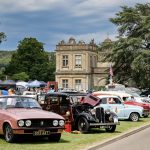


 Image: CORGI
