
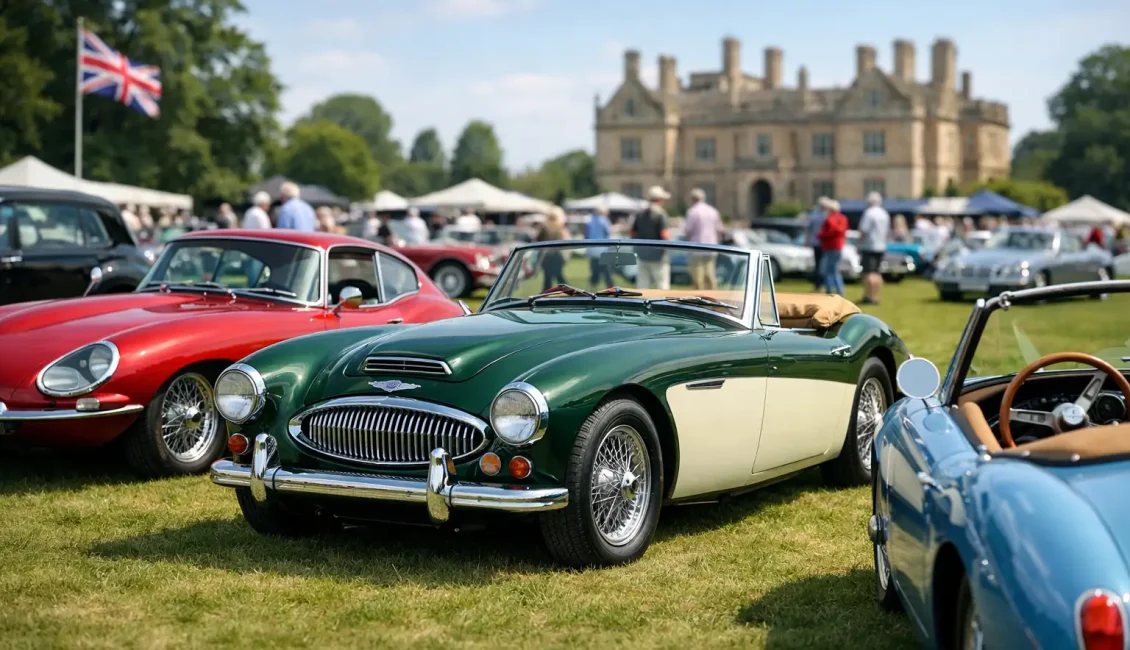
The first glimpse across a show field can stop even the most seasoned enthusiast in their tracks: polished chrome catching the morning light, a row of British sports cars, the unmistakable burble of a V8 and a rare motorcycle drawing a crowd. This visitor guide to classic motor shows will help you make the most of it all, whether you arrive with a detailed wish list of cars to find or simply want a memorable day out with the family.
Classic motor shows are not museums where everything sits behind a rope. They are living gatherings of owners, restorers, clubs, traders and fans, set against some of Britain’s finest estates, parks and heritage venues. The best approach is to give yourself time, bring a little curiosity and accept that the car you remember most might be one you had never expected to see.
Plan your classic motor show visit before you set off
A good show day starts before the gates open. Buying tickets in advance is often the simplest way to secure your place and avoid spending the first part of the day in a queue. Check the event information for opening times, parking arrangements, entry points and any guidance for dogs, accessibility or picnic areas. Historic venues can be wonderfully atmospheric, but their grounds are often large, so a little preparation saves a lot of walking back and forth.
Think about what you want from the event. If your priority is photographing display cars while the light is soft and the crowds are lighter, arrive early. If you are visiting with children or friends who are less interested in reading every vehicle card, build in pauses for food, a walk around the venue and a chance to browse the trade stands. There is no single right way to enjoy a show.
Weather deserves proper consideration at an outdoor motoring event. Britain can offer sunshine, wind and rain in the same afternoon. Comfortable footwear is more valuable than trying to look the part, particularly on grass, gravel or uneven paths. A light waterproof, sun cream and a refillable water bottle cover most eventualities. If rain is forecast, do not assume the day is ruined – wet paintwork, umbrellas and the occasional muddy boot are all part of the character of a proper British show.
Bring enough room for finds
Trade areas can be a treasure hunt. You may come home with a workshop sign, a period brochure, a model car, a piece of automobilia or the exact obscure part your project has needed for months. A reusable bag is useful, and some cash can still be handy for smaller purchases, although card payments are widely accepted. For a larger item, ask the trader about collection arrangements before committing.
What to look for beyond the headline cars
The obvious stars are often easy to spot: the immaculate E-type, the concours Ford Escort, the muscular American coupe or the supercar with a crowd gathered around it. Make time for them, of course. But some of the best stories are found a few rows away in the cars that have been loved, used and kept on the road by the same family for decades.
Look closely at the details. Original dealer stickers, hand-painted pinstripes, a carefully repaired seat bolster or a stack of old tax discs can tell you more about a vehicle than a perfect paint finish. A classic car does not need to be flawless to be special. In fact, the cars with honest patina and a well-told ownership story are often the ones that spark the longest conversations.
Motorcycle displays reward the same attention. Notice the engineering differences between eras, from exposed mechanical simplicity to the purposeful lines of later performance machines. Modified vehicles bring another dimension, showing the skill, imagination and personal taste that keep Britain’s enthusiast scene moving forward. A show that brings classics, bikes, performance cars and modern prestige machinery together offers a fascinating contrast in design and technology.
Speak to owners with respect
Most exhibitors are delighted when someone takes a genuine interest in their vehicle. A simple question such as, “How long have you owned it?” can lead to a story about a barn find, a difficult restoration or a memorable road trip. Avoid leaning on cars, touching paintwork or opening doors unless invited. If an owner is busy parking up, eating or talking with someone else, give them space and return later.
For anyone considering buying or restoring a classic, owner conversations are particularly valuable. You will hear the realities behind the romance: parts availability, storage, insurance, specialist knowledge and the jobs that always take longer than planned. That honesty is part of the appeal. Classic ownership can be hugely rewarding, but it is rarely effortless.
How to enjoy classic motor shows with children
A family visit works best when children have a role in the day rather than being asked to follow an adult’s route from one display plaque to the next. Let them choose their favourite car, look for vehicles in a particular colour or vote on the best number plate, loudest engine or most unusual interior. These small challenges turn a long walk around the showground into an adventure.
Keep expectations realistic. A dedicated enthusiast may happily spend an hour comparing variants of the same model; younger visitors may prefer variety, movement and regular breaks. Food areas, live entertainment, demonstrations and open space all help create a balanced day. Ear defenders can be sensible for very young children when engines are being started or demonstrations are taking place.
Classic motor shows are also a brilliant way to share family stories. A grandparent may recognise the car they learned to drive in, while a parent spots the model that once appeared on a bedroom poster. Those connections make the day more than a collection of vehicles. They give the machines a place in people’s lives.
A visitor guide to classic motor show etiquette
The relaxed atmosphere of a motoring show depends on visitors and exhibitors looking after the setting together. Keep clear of display entrances and moving vehicles, especially during arrival and departure periods. Follow marshals’ directions in car parks, even if there seems to be an easier route. They are managing large numbers of vehicles and pedestrians in spaces that were not designed as modern car parks.
Photography is welcome at most events, but a little awareness goes a long way. Do not block walkways for a long photo session, and check before photographing people closely, especially children. If you share photos online, crediting a club or tagging an event can be a generous way to support the people who put in the work to attend.
Dogs are welcome at some venues and restricted at others, so always check first. Where they are permitted, keep them on a lead, bring water and be mindful that hot tarmac, engine noise and busy crowds can be tiring. The same principle applies to everyone: a good day is one where visitors leave with great memories and exhibitors leave wanting to return.
Make the most of the venue as well as the vehicles
The setting is a major part of the experience. A classic Bentley beneath mature trees, a line of Italian sports cars on the lawn of a country estate or motorcycles gathered outside a historic hall creates a scene that no supermarket car park meet can match. Take a moment to walk beyond the busiest display areas, appreciate the grounds and find a quieter viewpoint.
Food and drink can be part of the occasion rather than an afterthought. Peak lunchtime queues are common, so eating a little earlier or later can buy you more time with the cars. If the event permits a picnic, it can be an excellent option for families and groups, particularly on a warm day. The trade-off is carrying it around, so plan where you will leave bags and whether returning to the car is practical.
At Great British Motor Shows, the aim is to make that full day-out feeling easy to find: quality vehicles, welcoming people and venues worth the journey in their own right. You do not need encyclopaedic knowledge to belong there. Enthusiasm is enough.
Before you leave, take one final circuit. The crowds may have shifted, an owner may now be free to chat, and the car that caught your eye at 10am can look completely different in the late-afternoon light. Leave with a few photographs, a favourite story and a plan to return – because there is always another machine, another owner and another show waiting to surprise you.