
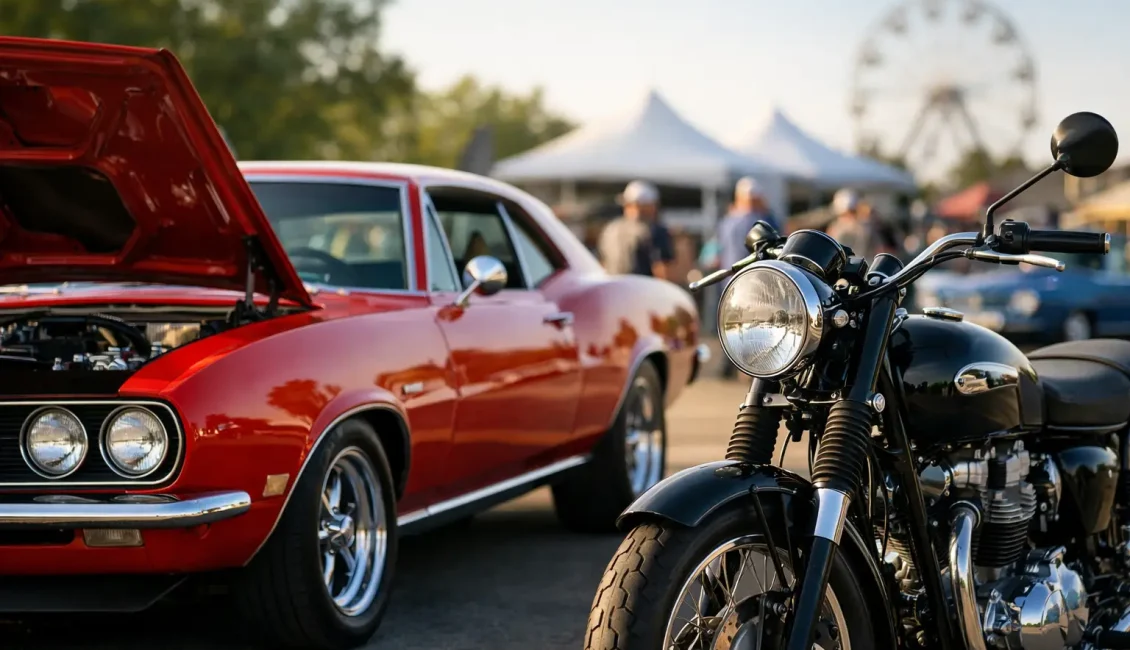
The best shows announce themselves before you reach the gate. You hear a V8 settle into an idle across the grass, catch the scent of warm oil and bacon rolls, and spot a line of polished paintwork leading towards a grand house or country park. That is the real appeal behind any classic car and bike show review: it is not simply about counting vehicles. It is about whether the whole day gives enthusiasts something worth talking about on the drive home.
A strong regional motoring event has to satisfy several audiences at once. The owner who has spent years restoring a rare machine wants knowledgeable interest. The family visiting for a day out needs variety, space and a welcoming atmosphere. The casual fan wants headline cars and bikes they might never otherwise see. Get that balance right and a show becomes a proper gathering of motoring people, rather than a car park with a ticket desk.
What makes a classic car and bike show worth the trip?
Display quality matters, but character matters just as much. A concours-standard Jaguar, a beautifully weathered Land Rover, a row of Japanese sports cars and a lovingly used British motorcycle all have a place when they are presented with pride. The strongest shows avoid making every line-up feel identical. They create moments of discovery, whether that is an immaculate pre-war saloon, a modified hatchback built in a home garage or an unusual motorcycle with a story attached to it.
Variety is especially valuable because classic motoring means different things to different people. One visitor may arrive hoping to see Austin-Healeys and Norton twins; another may be looking for Ford RS models, American muscle, modern supercars or a carefully judged restomod. A well-curated event gives each group a reason to keep walking, while still making the displays feel connected.
The venue can lift that experience considerably. Historic estates, landscaped parks and landmark halls provide a backdrop that a standard exhibition site cannot quite match. They make the photographs better, give families room to enjoy the day and turn a vehicle display into a destination. There is a practical trade-off, of course: grass venues depend more heavily on weather, and large sites demand comfortable footwear. But when the forecast plays along, few things beat seeing chrome, coachwork and motorcycles arranged against a proper British heritage setting.
The vehicles should start the conversation
A memorable display is not always the one with the highest price tag. Rare machinery draws a crowd, and rightly so, but the cars and bikes that hold attention are usually those with a clear story. Perhaps the owner found the car in a barn, completed the restoration with a family member or has ridden the bike to shows for decades. Those details turn a handsome vehicle into something personal.
Car clubs are central to this. A club stand gives visitors an immediate view of how a model has evolved, from early examples to later special editions and individual interpretations. It also gives owners an easy way to share knowledge without the stiffness sometimes associated with concours events. Ask a question and you may get advice on sourcing trim, diagnosing an old ignition system or choosing the right route for a weekend run.
Motorcycles bring their own energy. They reward a closer look, from the engineering of a classic single to the compact aggression of a two-stroke or the detail of a custom build. A mixed car and bike show works best when the two are treated as equally important parts of the programme, not when bikes are tucked into a distant corner. Both communities value craft, history and the pleasure of machinery that asks to be used.
A proper day out needs more than polished paint
The best classic car and bike show reviews tend to mention the atmosphere as often as the vehicle list. That is because the atmosphere is what makes a show accessible to everyone. It comes from owners chatting beside their displays, children picking a favourite car, friends comparing notes over lunch and the occasional engine note bringing a whole row of heads round at once.
Traders add another useful layer. A good selection can mean period automobilia, workshop tools, model cars, clothing, detailing products, parts and pieces of garage décor that would look right at home above a workbench. For restorers, a conversation with a specialist can be as valuable as a purchase. For visitors who are not currently rebuilding anything, browsing still adds to the sense that the show has been built for enthusiasts rather than just spectators.
Food and refreshment deserve more credit than they often receive. Nobody expects a country motoring event to be a fine-dining experience, but sensible queues, enough choice and somewhere to sit can make a material difference to the day. The same applies to toilets, signposting, parking and entry arrangements. These details are not glamorous, yet they allow visitors to spend more time enjoying the vehicles and less time wondering where to go next.
How to judge the show experience fairly
Every event has a slightly different personality. A smaller local gathering may not have hundreds of entries, but it can offer time to speak with owners and a wonderfully relaxed feel. A large venue-led show may provide more categories, traders and spectacle, but naturally involves more walking and busier periods around the most popular displays. Neither approach is automatically better. It depends on what you want from the day.
When assessing an event, look beyond the headline attractions. Were the clubs well represented? Did the layout make it easy to move between cars, bikes and traders? Was there enough for a non-enthusiast partner, friend or child to enjoy? Did the setting add to the occasion? And, perhaps most tellingly, did owners and visitors look pleased to be there?
The weather can affect any outdoor event, and it is worth being realistic about that. A wet morning may reduce turnout or make parts of a field harder to navigate, while a hot afternoon can make shaded areas and water points very welcome. Good organisation cannot control the skies, but it can make sensible provisions and communicate clearly when conditions change.
For exhibitors, the experience is judged through a different lens. Clear arrival information, helpful marshals, a sensible display plan and enough time to settle in set the tone from the start. Owners put genuine effort into bringing vehicles out, often travelling early and preparing their pride and joy for public view. A show that respects that commitment tends to attract better displays year after year.
Why the community is the main attraction
Classic and performance motoring has always been about more than ownership. It is about shared reference points: the first car someone drove, the bike they wanted at 17, the model their dad had, the poster that stayed on a bedroom wall for years. Shows create space for those stories to surface.
That shared enthusiasm is why broad events work so well. A visitor might arrive for the classics and leave talking about a modified build. A sports car owner may spend half an hour studying a vintage motorcycle. A child who thought they were only there for an ice cream may go home with a new favourite marque. Great British Motor Shows is built around that kind of crossover, bringing different corners of motoring culture together without asking anyone to fit a narrow definition of an enthusiast.
There is also real value in seeing vehicles used and enjoyed rather than hidden away. Perfection has its place, but so does the stone chip, the road grime and the owner who has driven three hours to be part of the display. These are machines with lives behind them, and a good show gives them a stage without making them feel untouchable.
Make your next visit count
Arrive with enough time to explore beyond the first row that catches your eye. Talk to owners respectfully, take photographs where permitted and let yourself follow the unexpected finds – the unusual badge, the clever restoration detail, the machine you have not seen since childhood. If you are bringing a vehicle, display it with pride and make room for the conversations that make these events special.
The cars and bikes may bring everyone through the gate, but it is the people, setting and shared enthusiasm that turn a Sunday out into a date for next year’s diary.