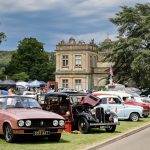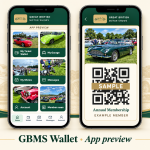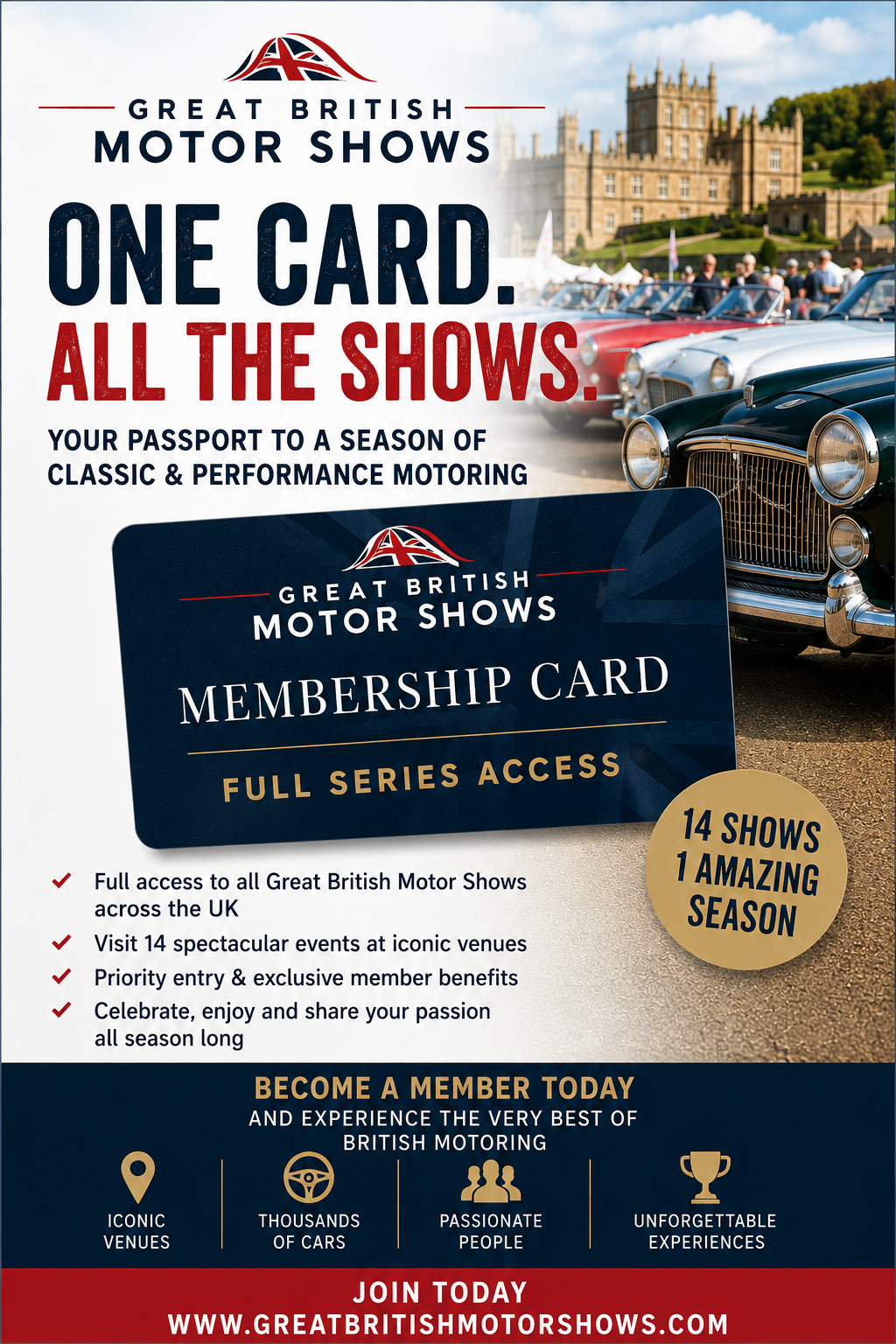
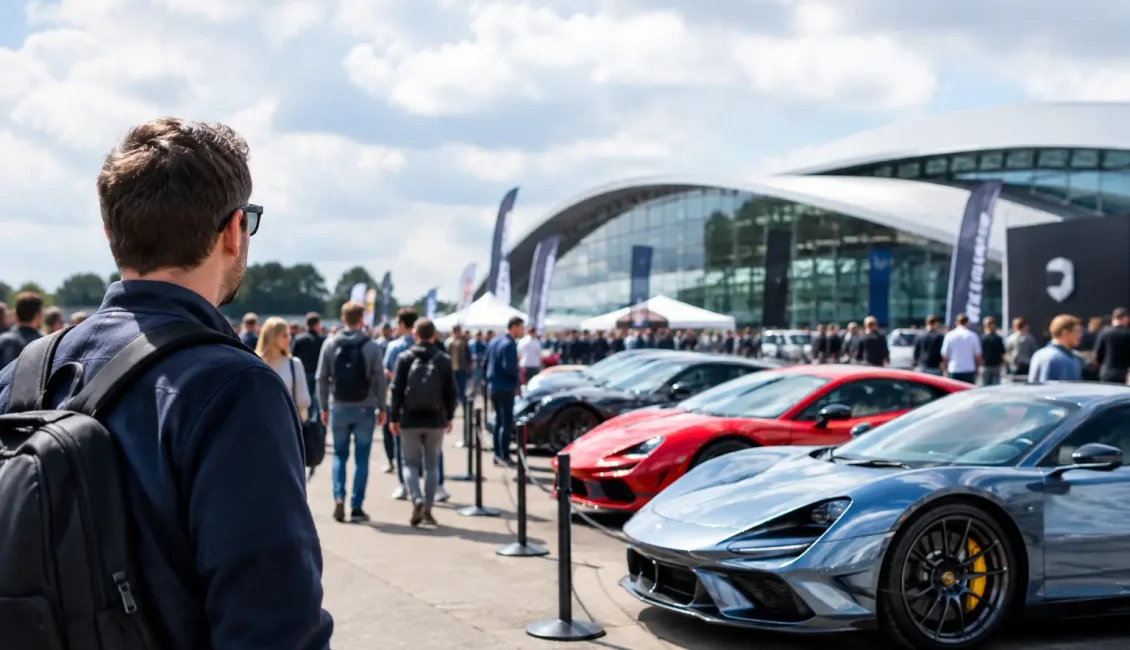
A rare Ferrari drawing a crowd, a line of beautifully restored classics across a country estate, the sound of performance engines arriving before the gates open – the best motor shows create momentum long before show day. If you are asking, “when do motor show tickets sell out?”, the honest answer is that it depends on the event, the venue and how many people want to be part of it.
Some shows retain good availability right up to the week before the gates open. Others, particularly those at popular heritage venues or on peak summer weekends, can become busy much earlier. The safest move is simple: if a show is already in your diary, buy your tickets when you see them released.
When do motor show tickets sell out?
Motor show tickets do not follow one fixed timetable. A large event with generous grounds, multiple display areas and plenty of visitor capacity may have tickets available for weeks or months. A more intimate venue, a special anniversary gathering or a show on a bank holiday weekend can see demand build quickly.
The strongest sales periods are usually the first ticket launch, the weeks after major exhibitor announcements, and the final run-up to the event. Enthusiasts are more likely to commit once they know a favourite marque, car club, celebrity guest, competition display or special vehicle feature is taking part. Good weather forecasts can also spark a late surge, especially for outdoor shows.
That is why waiting for a last-minute decision can be a gamble. A show may not sell out completely, but selected ticket types, early-entry places, vehicle display passes or on-site parking can become limited first. If you are travelling with family, meeting a club or planning a proper day out, booking ahead removes a lot of unnecessary uncertainty.
The events most likely to become busy early
A great venue changes the character of a motor show. Historic houses, landscaped parkland and destination locations give visitors far more than a row of cars in a field. They also have practical capacity limits, from parking arrangements to gate throughput and the number of people who can comfortably enjoy the grounds.
Demand tends to rise earlier when an event has a combination of a well-known venue, a strong regional following and a broad mix of vehicles. Classic car owners, bike fans, modified-build enthusiasts, supercar followers and families may all be drawn to the same date. That variety is part of the appeal, but it can make popular shows feel busy before tickets become scarce.
The calendar matters too. Shows held during school holidays, bank holiday weekends or the heart of the summer season often attract visitors who are looking for a full day outdoors. A date that avoids major motorsport clashes may also appeal to people who would otherwise be at home watching the racing.
Special features can have a noticeable effect. A landmark model anniversary, a major club gathering, a concours-style display or an exceptional line-up of sports and supercars gives people a reason to book rather than merely think about booking. For collectors and owners, an announcement that their community is well represented can turn a tentative plan into an immediate ticket purchase.
Book early for the best show-day choices
Buying early is not just about avoiding a sold-out notice. It gives you more control over the day you want to have.
If you are bringing a display vehicle, early registration is especially worthwhile. Vehicle spaces, club areas and entry arrangements take planning, and organisers need time to create a well-balanced show. The earlier enthusiasts commit, the stronger the display can become for everyone attending.
Visitors benefit too. Advance tickets often mean less to think about on the morning of the event. You can organise your route, arrange to meet friends and spend your time looking forward to the cars rather than wondering whether admission will still be available. For groups, booking together also keeps the plan simple – particularly when several households are travelling from different parts of the country.
There is a financial consideration as well. Many live events use advance pricing or timed ticket phases, so the earliest ticket may offer the best value. This is not guaranteed at every show, and the right choice always depends on your plans, but leaving it until the gate rarely gives you more options.
How far ahead should you buy?
For a motor show you would be genuinely disappointed to miss, book as soon as tickets go on sale. That is the right approach for major dates, popular venues and any event you are travelling a significant distance to attend.
For a local show with a flexible schedule, booking a few weeks ahead will often be enough. Keep an eye on event updates rather than assuming availability will remain unchanged. Interest can pick up rapidly after a warm forecast, a new display announcement or a burst of social media coverage from car clubs and exhibitors.
If you need to coordinate children, work rotas, hotel stays or a convoy with fellow owners, aim to book at least a month ahead where possible. It gives you time to make the occasion feel like an event, not a rushed Sunday plan. It is also kinder on the people organising the show, as advance demand helps them prepare parking, catering, facilities and visitor services properly.
The one situation where waiting can make sense is when your attendance genuinely depends on something uncertain, such as vehicle repairs or a changeable work schedule. Even then, check the ticket terms before delaying. Flexibility is useful, but it is only useful while tickets remain available.
Watch for the signs that demand is rising
You do not need insider information to spot a show gaining pace. Ticket updates, exhibitor announcements and social posts showing club attendance are all useful signals. When people start sharing which cars they are bringing, discussing meeting points and posting their plans for the day, interest is no longer theoretical.
A growing vehicle list is another good indicator. The more variety confirmed across classics, motorcycles, modified machines, performance cars and prestige metal, the wider the event’s appeal becomes. One visitor may come for a cherished British sports car; another may arrive for the Japanese builds, American V8s or modern supercars. A balanced line-up draws them all.
Do not overlook practical notices either. If an organiser highlights advance booking, parking guidance or limited availability, treat it as useful advice rather than background noise. These messages are usually shared to help visitors avoid disappointment and to keep arrival smooth for everyone.
What happens if tickets are still available close to the date?
Availability close to show day is good news, but it is not a reason to assume there is no urgency. Outdoor motoring events can see their biggest rush in the final days, when the forecast firms up and people decide that a weekend spent among exceptional vehicles is far better than another afternoon on the sofa.
Booking online before travelling remains the sensible choice whenever advance tickets are offered. It helps you arrive prepared and allows the event team to anticipate attendance. If the event has any specific arrival slot, parking instruction or vehicle-entry requirement, read it carefully before setting off.
And remember that a busy show is usually a positive sign. It means more owners have brought out their pride and joy, more clubs have made the journey, and more enthusiasts are sharing the atmosphere. The goal is not to avoid popular events – it is to be ready for them.
Make the date part of your motoring calendar
The best shows reward a little forward planning. Put the dates that matter to you in the calendar, especially if there is a venue you have always wanted to visit or a gathering that suits your particular corner of the motoring world. Whether you arrive in a concours-ready classic, a carefully modified build, a modern performance car or simply with the family, the anticipation is part of the experience.
Great British Motor Shows are built around that shared enthusiasm: remarkable vehicles, memorable settings and the conversations that start in car parks, club stands and show fields. Secure your place early, then enjoy the far better question – which car are you most looking forward to seeing?