
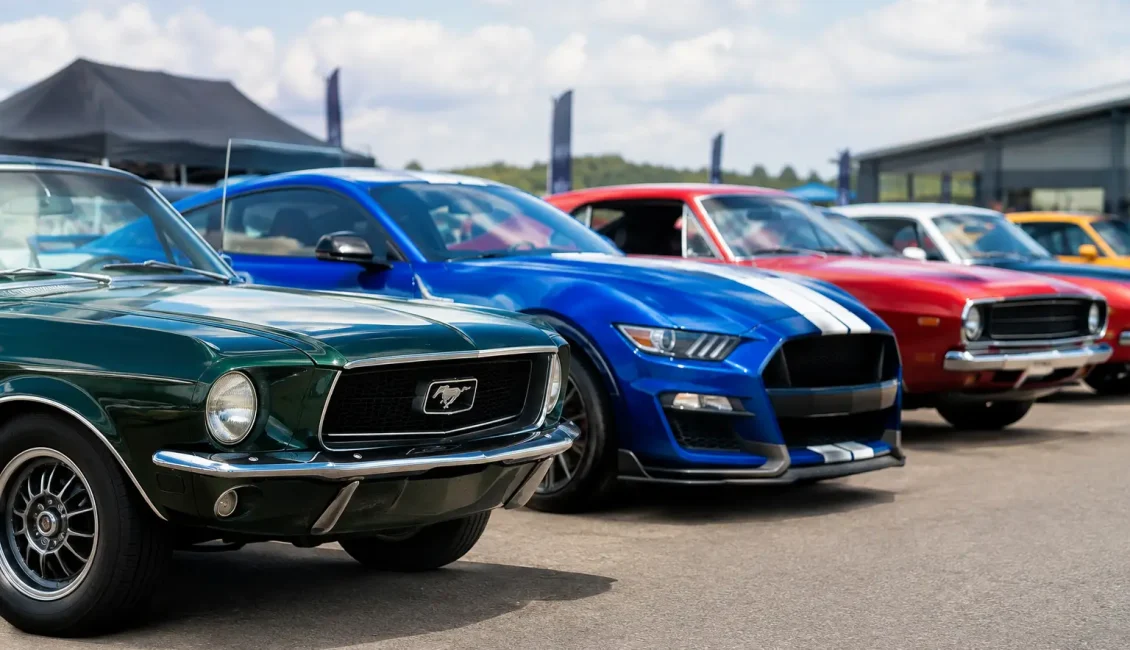
A great club stand is never just a row of parked cars. It is the unmistakable sight of members arriving together, bonnets up, stories flowing and visitors stopping because something special has caught their eye. This guide to car club entries will help your club prepare for a brilliant show day, from choosing the right event to creating a display that does your cars, members and community proud.
Why bring your club to a motor show?
Car clubs are at the heart of a proper British motor show. They bring depth, personality and knowledge that no static display board can match. Whether your members run immaculate classics, modified favourites, modern performance cars, rare bikes or a wonderfully varied mix, a club area gives visitors a reason to linger and talk.
For members, the appeal is just as strong. A show entry turns an ordinary Sunday drive into a shared occasion, often at a memorable venue with thousands of fellow enthusiasts nearby. It is a chance to meet owners from outside your local patch, recruit new members and give long-standing members a date in the diary worth looking forward to.
The best club displays also tell a story. It might be the evolution of one iconic model, a celebration of a marque anniversary or simply a gathering of cars that make people smile. You do not need a concours-winning line-up to create an impact. Well-presented vehicles, friendly owners and a clear club identity usually matter more than chasing perfection.
Guide to car club entries: start with the right event
Before registering, take a close look at the event itself. The strongest fit depends on your club’s cars, where members are travelling from and what sort of day you want to create. A heritage estate may suit a classic marque club beautifully, while a performance-led show could be ideal for a modern sports car or modified scene.
Check the date early and ask members for a realistic commitment. It is tempting to enter a large number of spaces, but a compact, full display always looks better than an area with gaps. Aim for confirmed cars first, then keep a reserve list in case plans change. Family commitments, mechanical hiccups and British weather can all affect attendance, so a little flexibility helps.
Also consider journey times. A show might be an excellent match on paper, but a 200-mile early-morning run can reduce the number of members willing to take part. Regional events make it easier for a wider mix of owners to attend, especially those with older cars that are more enjoyable on a relaxed cross-country route than a long motorway slog.
When booking opens, read the entry information carefully. Organisers need accurate numbers, vehicle details and contact information to plan parking, arrival routes and space allocations. Submit details promptly, keep copies of any confirmation emails and make sure one person is responsible for communicating with the event team.
Appoint a club coordinator
Every successful stand benefits from one calm, organised point of contact. This does not mean one person has to do everything. It means members know where to get reliable answers about arrival times, display rules, passes and last-minute changes.
The coordinator should maintain a simple list covering each vehicle, registration number, driver’s mobile number, passenger details where required and whether the car is definitely attending. They should also pass on the event’s instructions exactly as received. Small details such as the correct gate, latest arrival time or windscreen pass can make the difference between a smooth arrival and a frustrating start.
Build a display people want to explore
A club stand works best when it feels intentional rather than accidental. Start with the basics: park vehicles neatly, leave enough room for visitors to look without squeezing between bumpers, and keep any shared equipment tidy. If the organiser sets out a display layout, follow it. They are balancing safety, access and the overall look of the show.
Think about variety too. If your club covers several generations of a model, consider arranging cars in date order. A colour-themed line-up can look superb in photographs, but a mix of colours and specifications often gives visitors more to discover. If there is a particularly rare, restored or competition-prepared vehicle, place it where it can become a natural talking point.
Clean cars matter, although they do not have to be flawless. A good wash, clean glass, presentable wheels and a quick interior tidy make a huge difference. Bring detailing spray and microfibre cloths for final touches after the journey. On a wet morning, accept that some road grime is part of the story – obsessing over every splash can take the enjoyment out of the day.
A small club banner or flag helps visitors identify you from across the field, provided it is permitted and safely secured. Simple information sheets can also be useful, particularly for unusual models. Avoid turning the stand into an advertising hoarding. The cars and the conversations should remain the main attraction.
Prepare members for a smooth arrival
Show mornings begin earlier than most people expect. Members should know the meeting point, convoy plan if you have one, entry gate and arrival window well in advance. Convoys create a fantastic sense of occasion, but they are not always the best answer. Busy roads, different fuel stops and varying vehicle reliability can split a group quickly. For some clubs, agreeing a meeting point near the venue is less stressful than trying to travel in formation for hours.
Make sure everyone has their entry pass or knows how it will be issued. Remind drivers that display vehicles usually need to arrive before public opening, and that leaving early may not be possible without organiser approval. These arrangements protect visitors moving around the site, so they are not rules to treat casually.
It is also worth agreeing a basic standard of behaviour. Engines, exhaust notes and exciting machinery are part of the spectacle, but a family-friendly event is not the place for burnouts, racing around access roads or repeated revving. A well-run club earns the confidence of organisers and makes future invitations easier.
Bring practical essentials: a small toolkit, fluids suitable for your vehicle, tyre inflator, cleaning kit, folding chairs, waterproofs, sunscreen and something to eat or drink. Historic venue grounds can be uneven, and weather can change before lunchtime. Preparation means members can spend more time enjoying the show and less time searching for a spare fuse or shelter.
Make the day welcoming for visitors
The most memorable club stands are staffed by people who genuinely enjoy talking about their cars. You do not need an encyclopaedic answer to every question. A simple explanation of why you bought the car, what it is like to own and the odd restoration challenge is often far more engaging than a list of specifications.
Try not to sit with backs turned to the public all day. Take breaks, explore the event and catch up with friends, but make sure there are usually a few members around to welcome visitors. If someone shows a real interest in joining, have a clear way to share your club details after the event. A card, a printed contact sheet or a note of upcoming meets can be enough.
Families and younger enthusiasts deserve a warm welcome too. The person admiring a car today may be restoring one in ten years’ time. Let them ask questions, celebrate their enthusiasm and remember that not every visitor will know the difference between a carburettor and fuel injection. A good club makes knowledge accessible without talking down to anyone.
Handle changes without losing momentum
No matter how well you plan, a club entry can change at short notice. A car may develop a fault, a member may be unwell or bad weather may alter travel plans. Let the organiser know as soon as you can, particularly if several spaces will be affected. Clear communication allows the team to adapt the layout and may enable another enthusiast to take part.
If a member’s main display car cannot make it, a suitable replacement may be possible, but do not assume. Check the event rules first. Vehicle categories, registration details and access passes can all be linked to the original application.
After the show, send a quick message to thank your members and gather feedback while the day is fresh in everyone’s mind. Which meeting point worked? Was the arrival window realistic? Did visitors respond well to the display? Those answers make the next outing stronger.
Great British Motor Shows are built around the excitement of seeing enthusiasts bring their machines together in remarkable settings. Get the practical details right, then let your club’s character do the rest. The best entry is one where every member drives home already talking about the next show.



 Image: CORGI