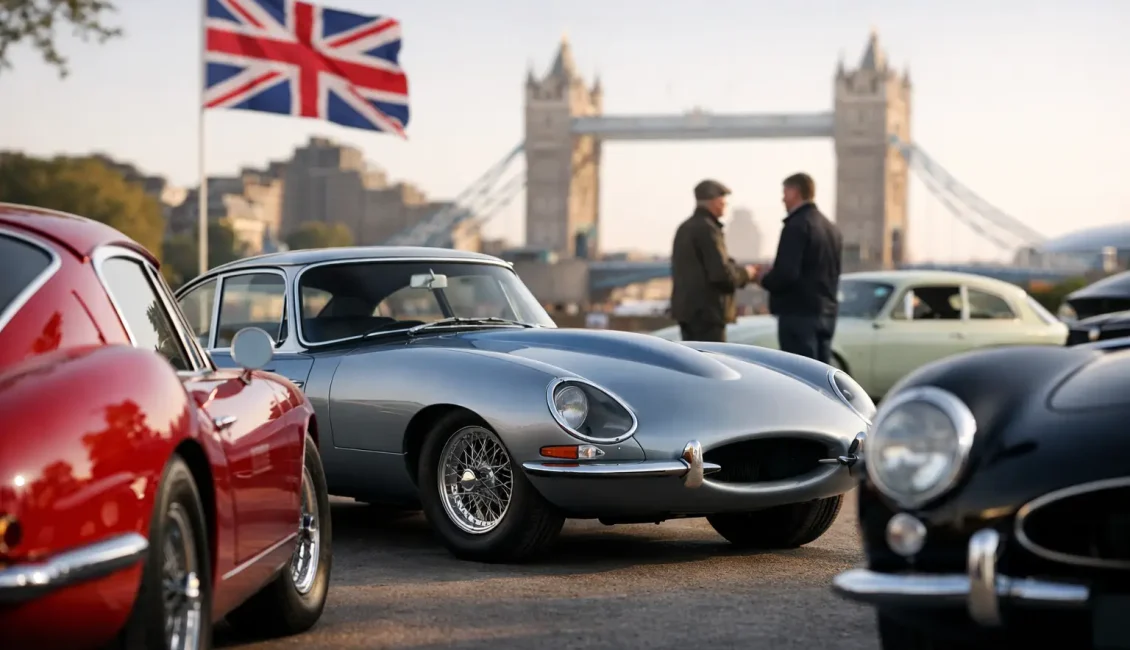
A concours-perfect E-Type will always stop a crowd, but the most interesting collector car trends are no longer confined to the familiar blue-chip names. Across the UK, enthusiasts are looking again at cars that feel engaging at sensible speeds, have a story to tell and can still be enjoyed on a proper Sunday run. That is changing the mix on club stands, show fields and private driveways alike.
The appeal is not simply about investment. For many owners, the best collector car is one that creates a reason to get out, meet fellow enthusiasts and arrive at a great venue with a grin already in place. Provenance and condition still matter, of course, but usability, community and the right kind of character are carrying more weight than ever.
Collector car trends are broadening the definition of desirable
For years, the collector market was often discussed as if it followed a fixed hierarchy: pre-war machinery at one end, landmark sports cars and limited-production exotica at the other. Those cars remain important, but the middle is becoming far more exciting.
Buyers are increasingly drawn to the cars they remember from childhood, the posters on their bedroom walls and the vehicles they saw their parents driving. That puts 1980s, 1990s and early-2000s machinery firmly in the spotlight. A clean hot hatch, a well-kept fast Ford, a characterful Japanese coupé or an early luxury performance saloon can attract as much conversation as a far more expensive classic.
This is not nostalgia without standards. Enthusiasts know the difference between a cherished, original example and a tired car wearing a fashionable badge. Service history, honest condition, factory specification and the quality of any restoration are increasingly central to value. A car does not need to be flawless, but it should be understood.
Modern classics have come of age
The term “modern classic” is now used with more confidence. Cars from the late 1980s onwards combine a recognisable analogue feel with enough comfort and reliability for regular use. Many also offer something collectors value highly: a direct connection between driver and machine.
Manual gearboxes, naturally aspirated engines, hydraulic steering and simple cabin layouts have become part of the attraction. This does not mean every automatic or turbocharged car is overlooked. It means buyers are paying closer attention to the experience a car delivers rather than just its headline performance figure.
There is a practical side, too. Some modern classics can be easier to live with than older vehicles, with better corrosion protection, more available parts and the ability to keep up confidently on a motorway journey. However, rising values mean it pays to buy carefully. Repairing neglected trim, obsolete electronics or hidden rust can quickly turn a tempting purchase into an expensive project.
Originality is prized, but sympathetic upgrades still have a place
One of the liveliest debates in collecting is whether a vehicle should remain exactly as it left the factory. Originality has a powerful pull, particularly for rare models, low-mileage survivors and cars with exceptional history. Period details such as original wheels, dealer stickers, handbook packs and correct interiors can make a meaningful difference.
Yet the UK scene has always had room for thoughtful modification. A well-executed restomod, a period-style rally build or a subtly improved classic can be a deeply personal and highly usable machine. Better brakes, improved cooling and discreet electronic ignition may make a car more enjoyable on modern roads without erasing its character.
The key is intent and quality. Modifications that are reversible, well documented and suited to the car tend to win greater respect than changes made purely to chase fashion. For anyone buying a modified vehicle, workmanship matters more than the length of the specification list. Look for evidence of who carried out the work, what components were used and how the car has been maintained since.
Preservation is becoming its own form of restoration
A growing number of owners are resisting the urge to make every classic look newly restored. Instead, they are preserving original paint, aged upholstery and the honest signs of a life well lived. This approach is especially compelling when the vehicle has strong provenance or a rare, intact specification.
Patina is not a substitute for structural soundness. Rust, poor repairs and unsafe mechanicals still need proper attention. But there is a difference between conserving a car’s history and stripping it away. At a show, a wonderfully original vehicle with its first dealer number plates and a stack of old MOT certificates can draw enthusiasts in for far longer than a freshly polished car with no story behind it.
Younger collectors are looking beyond traditional marques
The next generation of collectors is bringing new energy to the market. Their favourites are shaped by touring car racing, rally stages, video games, Japanese performance culture and the modified scene, as well as traditional British and European heritage.
That is why models once viewed as ordinary are being reassessed. Well-preserved family saloons, sporty estates, compact coupés and small-capacity performance cars are finding an audience. Rarity helps, but emotional connection can be just as powerful. A car that was commonplace in its day may now be notable precisely because so few have survived unmodified and in good condition.
Japanese cars are a clear example. From lightweight roadsters to turbocharged legends, they offer engineering personality and a strong enthusiast following. Still, not every imported performance car is automatically a collector piece. Buyers should pay close attention to insurance, parts supply, corrosion, modifications and the quality of any import paperwork. The right car can be a brilliant ownership experience; the wrong one can demand more specialist knowledge than expected.
The best collections are being driven, not hidden away
The notion that a valuable car must live permanently under a cover is losing ground. Owners increasingly want to use their vehicles for breakfast meets, road trips, charity runs, club gatherings and motoring shows. A car seen and enjoyed becomes part of the wider enthusiast story.
This does not mean every rare vehicle should be treated like a daily driver. Mileage, weather, insurance and mechanical sympathy all matter. But regular, considered use can be healthier for many classics than years of inactivity. Fluids circulate, seals are exercised and small issues are spotted before they become major ones.
For collectors, the sweet spot is often a car they are proud to display but not frightened to drive. That may be a crisp Mk1 Golf GTI, a beautifully kept MGB, a V8-powered grand tourer or an early 2000s performance hero. The badge is less important than the feeling it creates when the garage door opens.
Events are influencing what people collect
Digital listings make buying easier, but they cannot replace seeing vehicles in person. At live events, enthusiasts can compare models, inspect details, hear engines fire up and speak to owners who have lived with the cars. That real-world contact shapes tastes quickly.
A packed display of one marque can introduce visitors to variants they had never considered. A club row can reveal the appeal of preserving a standard car. A modified build can show how much craftsmanship sits behind a personal project. The result is a healthier, broader collector scene where knowledge is shared rather than guarded.
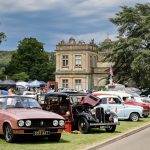
This is also why venue-led shows matter. A line of classics, performance cars, motorcycles and supercars set against a historic estate or park creates more than a photograph. It gives every kind of enthusiast a place in the conversation, from the serious collector chasing originality to the family discovering a future favourite for the first time.
Buy the story as well as the car
The strongest purchases usually begin with research, not urgency. Before viewing a car, understand its common faults, assess what originality means for that particular model and decide whether you want a showpiece, a driving car or a project. Those are different briefs, and the price should reflect them.
Paperwork can be as revealing as paintwork. A thorough history file, invoices from recognised specialists, photographs of restoration work and long-term ownership all help build confidence. So does a careful inspection by someone who knows the model. An attractive asking price is rarely a bargain if it conceals poor repairs, missing parts or years of deferred maintenance.
Most of all, buy something you genuinely want to be seen with and spend time maintaining. Markets rise and fall, fashions move on and predictions are never guaranteed. The cars that continue to matter are the ones that bring people together. Take time to walk a show field, talk to owners and notice which vehicles keep drawing you back – your next collector car may be the one you did not expect.