

A great car show calendar is more than a list of dates. It is the difference between hearing about a brilliant event after it has happened and spending a Sunday surrounded by V8s, rare classics, polished bikes and the people who understand why a clean engine bay deserves a second look.
For enthusiasts, a well-planned season creates something to look forward to from the first spring meet to the last autumn gathering. For families, clubs, traders and exhibitors, it makes the practical side easier too: tickets booked, vehicles prepared, routes planned and the right weekends kept clear.
Why a car show calendar belongs on your agenda
The best motoring events are not interchangeable. One weekend might be all about British classics on the lawn of a historic estate; the next might bring modified builds, modern performance machinery, motorcycles and supercars together at a major destination venue. Each show has its own character, crowd and reasons to make the journey.
That variety is exactly why planning ahead pays off. If your diary is left until the last minute, you may miss advance ticket periods, club display deadlines or the chance to secure a trader pitch. Popular events can also mean busy roads, limited nearby accommodation and less choice when arranging a group day out.
There is a more enjoyable reason to get organised, too. Anticipation is part of the hobby. A winter evening spent choosing which events to attend can lead to a full season of proper days out – conversations with owners, inspiration for a restoration, a long-sought part from a trader, or simply the sound of an engine you have never heard in person.
Building your UK car show calendar
Start with the vehicles that genuinely make you stop and look. A classic-car owner may prioritise heritage displays and club areas, while someone with a modified hatchback may want a show that welcomes individual builds and celebrates the detail work behind them. If bikes are your passion, look for events where two wheels are a real part of the line-up rather than an afterthought.
Then consider the experience around the vehicles. Venue matters. A show held in the grounds of a country house, park or historic hall can turn a few hours of car spotting into a full day out. There is room to walk, places to take photographs, food and shopping to enjoy, and an atmosphere that works just as well for a committed collector as it does for a partner or child who has come along for the day.
It also helps to spread your choices across the season. Spring shows often have the buzz of cars returning after winter, with owners keen to reveal completed work. Summer offers the fullest display fields and the easiest conditions for a relaxed day outdoors. Autumn events can feel more focused and sociable, particularly when the temperature drops and the season’s best builds have had months on the road.
Choose events by purpose, not just postcode
A nearby show is always appealing, but the right event may be worth a longer drive. Think about what you want from the day. Are you looking for parts and accessories? Want to meet a particular club? Hoping to show a newly restored car? Or do you simply want to see a broad mix, from cherished classics to outrageous supercars?
For many people, the strongest calendar includes a blend: one local event for convenience, one venue-led show for the day-out factor, and one event outside the usual area for a fresh crowd and different displays. The route there can be part of the occasion, especially when travelling with friends or fellow club members.
What to check before booking
A clear event listing should tell you the essentials: date, venue, opening information, ticket availability and whether the event accepts exhibitor, trader or club applications. Read those details before committing, particularly if you intend to bring a vehicle.
For visitors, advance tickets are often the simplest option. They reduce the chance of disappointment and make arrival smoother. Check whether parking is included or separately arranged, whether dogs are permitted, and what facilities are available on site if you are visiting with children or anyone who may need accessible access.
For exhibitors, do not assume every vehicle will suit every show. A curated event works because the display has breadth and quality, so organisers may ask for photographs, vehicle details or club information. That process is not a barrier for its own sake. It helps create a field worth walking around from the first arrival to the final departure.
Traders should look beyond footfall alone. Consider whether the audience matches the products you sell, how much space and vehicle access you need, and whether power, catering permissions or public-liability documentation are required. Booking early gives you more time to prepare a professional stand that does your business justice.
Make the most of show day
The most memorable car shows reward a little preparation. Check the forecast, wear footwear that can cope with a full day on grass or hardstanding, and arrive with enough time to take in the whole site. Rushing through a display field is a missed opportunity when there are stories attached to nearly every vehicle.
If you are displaying, clean the car properly but do not lose sleep chasing perfection. Enthusiasts appreciate honest ownership as much as concours paintwork. Bring a small display board if it helps tell the story – model year, specification, restoration notes or a brief explanation of what makes the car special. It gives people a reason to start a conversation while you are grabbing a coffee.
Club members can make a display feel particularly welcoming by parking with thought rather than simply filling spaces. Mix models, colours and eras where possible, leave room for visitors to see key details, and have someone available to chat about the club. The cars draw people in, but the welcome is what persuades them to stay.
Photographers should remember that the standout image is not always the most expensive vehicle. Look for the period-correct detail on a family saloon, the patina on a working classic, a row of matching club cars, or the moment an owner fires up a machine for the journey home. Ask before getting too close, keep clear of display ropes and respect signs that limit access.
A calendar for every kind of enthusiast
The strength of the UK show scene is that there is no single definition of a proper motor. A perfectly restored 1960s coupe, a turbocharged modern build, a well-used Land Rover, a custom bike and a low-mileage supercar can all attract the same crowd for different reasons. Craftsmanship, engineering and personal taste are what connect them.
That is the spirit behind Great British Motor Shows: bringing varied motoring communities together at memorable venues, without making newcomers feel like they need an invitation to belong. You can arrive knowing every production figure and chassis detail, or simply arrive curious. Both are valid ways to enjoy the day.
When adding dates to your diary, leave a little room for spontaneity as well. A friend may invite you to join a club stand, a newly announced display may catch your eye, or your own project may be ready for its first public outing sooner than expected. The best calendar gives you a plan, not a set of rules.
Keep the season moving
Save the dates that excite you, book early where it makes sense and give each event the attention it deserves. Whether you are bringing a show car, setting up a trade stand or arriving with the family for a day among exceptional machinery, the right weekend can become one of the stories you tell all year.
Make space in the diary for the cars you love – and for the unexpected ones that might become new favourites.


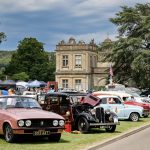


 Image: CORGI
