

The hard work may have gone into the restoration, the detailing or the latest round of modifications, but knowing how to submit vehicle entry is what gets your pride and joy from the driveway to the show field. A well-prepared entry gives organisers the information they need, helps create a varied display and means you can arrive ready to enjoy the day rather than untangling paperwork at the gate.
Whether you own a concours classic, a carefully developed modified car, a modern performance machine, a motorcycle or a rare weekend favourite, the process is usually straightforward. The key is choosing the right show, supplying accurate details and reading the confirmation properly before you set off.
How to submit vehicle entry for the right event
Start by looking at the character of the event, not simply its date or location. Some shows celebrate classic motoring across every era, while others place more emphasis on modified builds, sports cars, supercars, American vehicles, motorcycles or club displays. Your vehicle does not need to be the rarest on the field to deserve a place. A well-presented, interesting car with a story is often exactly what visitors enjoy discovering.
Read the vehicle-entry information for the individual event before beginning the form. Entry arrangements can differ by venue, space available and the types of display being curated. One event may welcome a broad range of enthusiast vehicles, while another may have eligibility dates, dedicated zones or a limited number of spaces.
If you are entering as part of a club, speak to the club organiser first. Many clubs arrange a group booking, reserve a display area and provide their own joining instructions. Submitting separately when your club has asked members to register through it can cause avoidable confusion, especially when vehicle passes and arrival times are being allocated.
For solo entrants, check whether the display area best suits your vehicle. Be honest about its condition and specification. A project car can be a brilliant conversation starter, but if the event is specifically asking for finished show vehicles, wait until the car is ready or choose a more suitable occasion. It is better to make a strong first appearance than rush a build for one date.
Get your vehicle details ready before you start
An entry form is easier to complete when you have the essentials to hand. Most organisers will ask for your name and contact details, registration number, make, model, year and a short description of the vehicle. You may also be asked about its colour, engine, modifications, ownership history or category.
Treat the description as a chance to tell people why your vehicle belongs at the show. It does not need to read like a sales advert. A few clear details are more useful than a long list of parts: perhaps it is an original low-mileage example, a family-owned classic, a period-inspired build or a car restored over several years. If there is a notable engine conversion, competition connection or unusual provenance, mention it.
Photographs matter, particularly where entries are selected or display space is limited. Choose recent, clear images taken in good light. Include a clean three-quarter exterior shot and, if useful, an image of the cabin, engine bay or distinctive feature. Avoid heavily filtered images, old photographs that no longer represent the car, or pictures where the vehicle is hidden among other cars.
There is a balance here. A polished photo can make a difference, but it does not mean you need a studio shoot. A tidy car, a simple background and a sharp image from a phone are usually enough to show the organiser what they need to see.
Complete the form accurately
When the entry window opens, submit your vehicle entry as early as you reasonably can. Popular dates and destination venues can attract significant interest, and early applications give organisers more time to build a balanced display. That does not mean every early application is automatically accepted, but it does avoid the disappointment of finding that a category or event has reached capacity.
Fill in every required field and check the details before sending the form. Your registration number, email address and mobile number are particularly important because they may be used to issue confirmation, passes, arrival instructions and last-minute updates. A mistyped email address can leave you without the information you need on show morning.
Be precise about the vehicle you intend to bring. If you submit an entry for one car but later plan to arrive in another, contact the organiser rather than assuming it will be fine. Display planning is based on the information provided, and substitutions can affect vehicle categories, parking layouts and insurance arrangements.
If the form asks for a fee, make sure the payment has gone through and retain the confirmation. Vehicle entry and visitor admission are not always the same thing. At some events, a vehicle pass includes admission for the driver but not every passenger. At others, additional occupants may need separate tickets. Read the wording rather than relying on what happened at a previous show.
What happens after you submit vehicle entry
After submitting, look for a confirmation message or email. This may be an immediate acknowledgement that the form has been received, followed by a separate acceptance email once entries have been reviewed. The timing depends on the event and whether the display is open-entry or curated.
Do not worry if you are asked to wait for approval. Organisers need to consider available space, vehicle mix, clubs, access routes and venue requirements. A great show is not just a row of similar cars. It is the contrast between generations, marques, styles and stories that keeps visitors moving around the grounds.
Once accepted, save all communications in one place. Your final instructions may cover the event address, display entrance, arrival window, pass collection, vehicle movement rules and when you can leave. Historic estates and busy show venues often have specific traffic plans, so following the designated route is essential. Turning up at the public entrance with a display vehicle can delay you and everyone behind you.
If you have not received anything close to the event date, check your junk folder first, then contact the event team using the details supplied in the original booking process. Avoid submitting a duplicate form unless asked to do so, as this can create two records for the same vehicle.
Prepare for the display, not just the drive there
A confirmed entry is your invitation to be part of the show, so give the final preparation the same care you gave the application. A proper wash is the obvious starting point, but small details make the biggest difference on grass or hardstanding: clean glass, dressed tyres, tidy number plates and an interior free from loose bottles, coats and cleaning products.
Bring what will make the day more comfortable without cluttering the display. A microfibre cloth, glass cleaner, a small detailing kit and a folding chair are sensible choices. If the forecast is uncertain, pack weather protection for yourself and any delicate parts of the vehicle. For older cars, the usual practical precautions apply: check fluids, tyre pressures, fuel level and battery condition before leaving home.
A discreet information board can be worthwhile if your car has a story that visitors might otherwise miss. Keep it readable and personal. The year, model, key specification and a sentence about its history or restoration can spark far more conversations than a list of every component.
Great British Motor Shows are built around the shared enjoyment of vehicles, so be ready for interest from every kind of visitor. Someone may know the exact carburettor fitted to your 1970s saloon; someone else may simply want to show their child the car they had on their bedroom wall. Both conversations are part of what makes a live motor show special.
If your plans change
Life, weather and mechanical issues can get in the way. If you can no longer attend, let the organiser know as soon as possible. It may allow a waiting-list entrant to take the space and helps the event team plan the display properly.
For a late-running repair, a change of registration or a question about accessibility, contact the organisers before show day wherever possible. The earlier they know, the more likely they can offer clear guidance. Leaving it until you reach the gate can limit what is practical, particularly during the busiest arrival period.
Your vehicle entry is more than a parking arrangement. It is a place in a display shaped by people who care about engineering, design and the stories behind the machines. Send in the details with care, arrive prepared and enjoy the moment your vehicle becomes part of the spectacle.





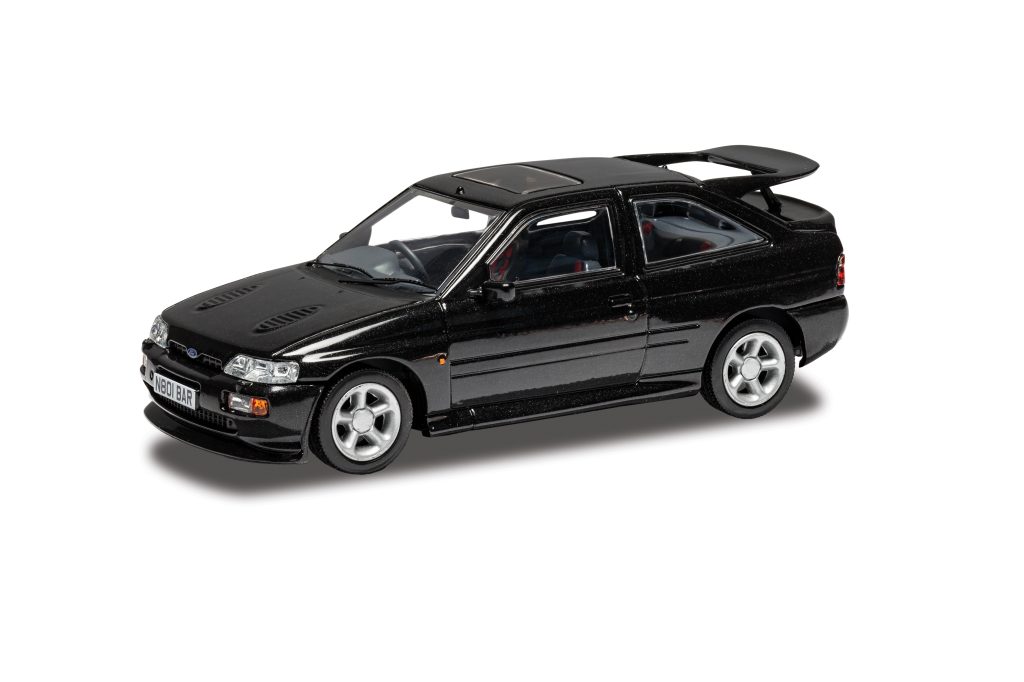 Image: CORGI
